Sossusvlei & Deadvlei, Namibia: Where Giants of Sand Meet Ancient Ghosts – 2026 Guide
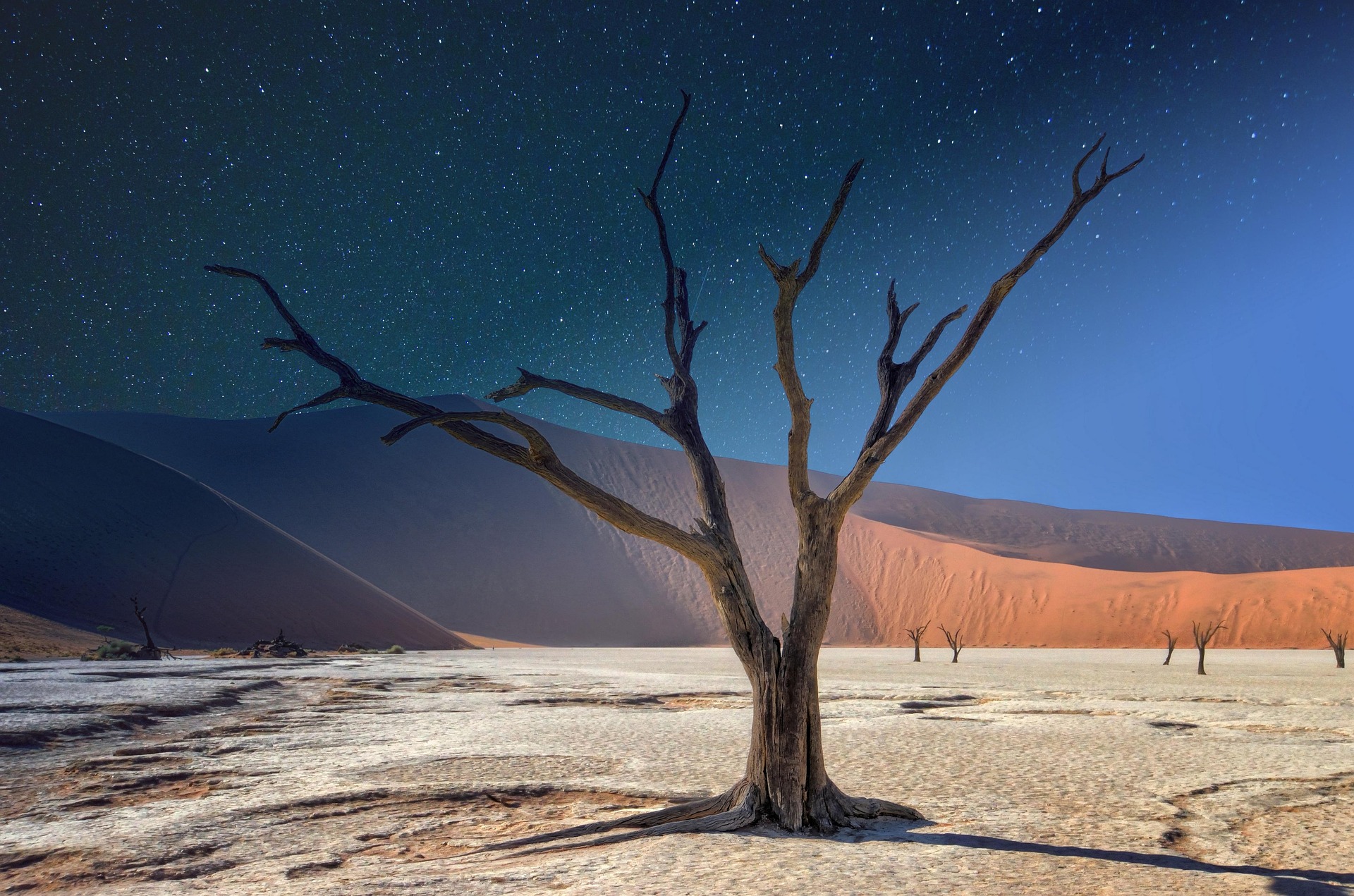
Quick answer: Sossusvlei is not just a place, it is a pilgrimage into silence. Here, in the heart of the Namib Desert, the tallest dunes on Earth rise 300 meters above ancient clay pans, their red iron-oxide sands shifting with the wind. At their feet lies Deadvlei, a ghost forest of 900-year-old camelthorn trees, preserved by a climate so dry they never decomposed. This is a landscape that feels more like another planet than Africa, and it will leave you breathless.
Before sunrise, you stand in the dark, waiting. Around you, the desert is silent except for the whisper of sand. Then the first light touches the crest of Dune 45, and the world turns to gold. This is the moment that draws photographers, dreamers, and wanderers to Namibia’s crown jewel. The moment when you understand why the San people called this place “the land God made in anger.”
For 2026, if you’ve ever wanted to walk on Mars without leaving Earth, to stand among trees that died before the Magna Carta was signed, to feel the scale of time in your bones, Sossusvlei and Deadvlei await. This guide covers everything you need to know: when to go, how to get there, where to stay, and how to experience this otherworldly landscape with respect and awe.
Already dreaming of Namibia? This is the perfect desert counterpart to your Botswana adventures or a stunning addition to a Southern African safari.
Why Sossusvlei and Deadvlei Belong on Your 2026 Bucket List
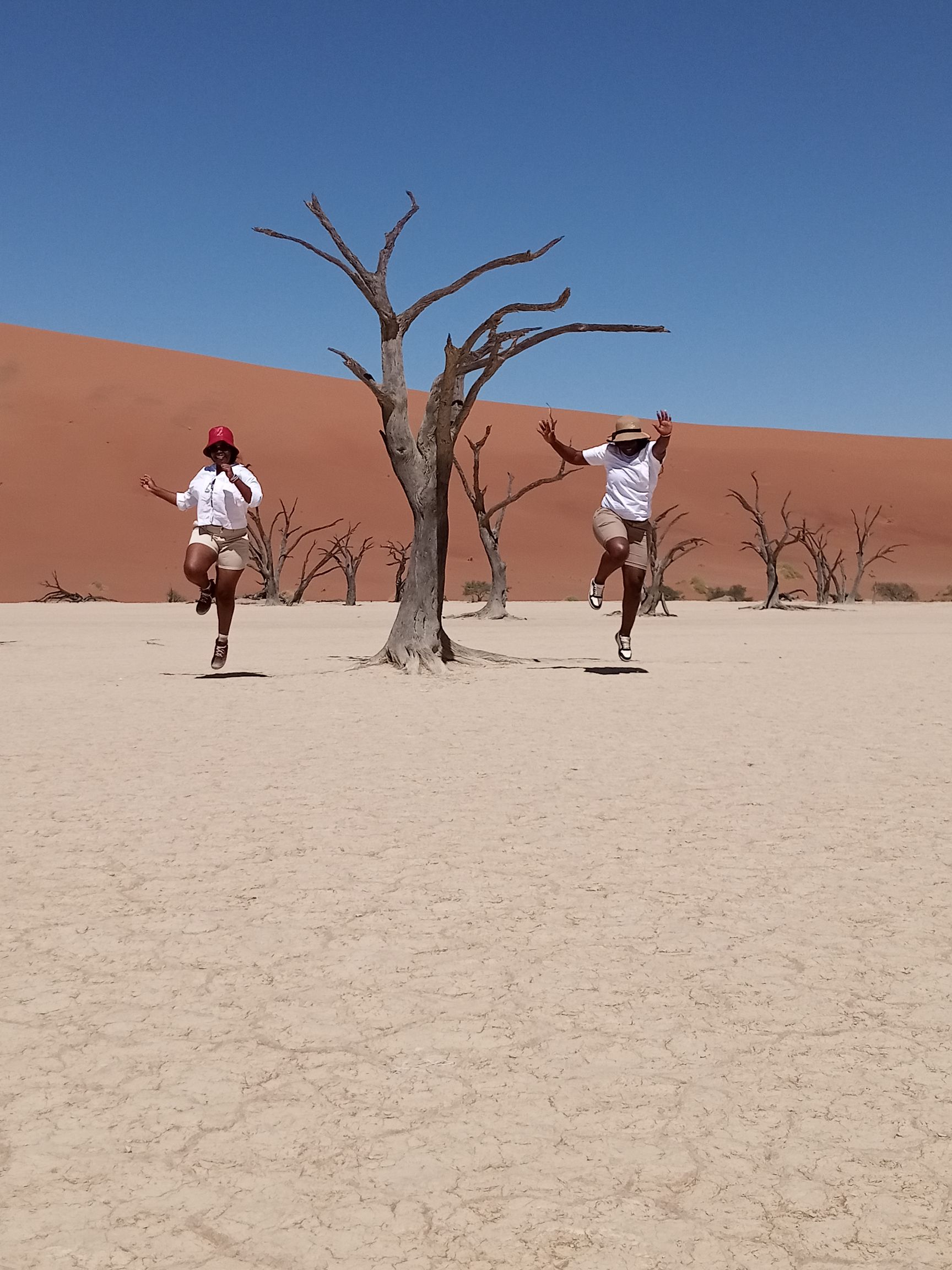
There are deserts, and then there is the Namib. At 55 million years old, it is the oldest desert on Earth. And at its heart lies Sossusvlei, a salt and clay pan surrounded by the highest sand dunes on the planet. Nearby, Deadvlei offers a vision so surreal it feels like a painting: a white, cracked clay floor, scattered with the skeletal remains of camelthorn trees that died when the river changed course 900 years ago. They have not decomposed because the air is too dry. They stand today as they stood then blackened, sculptural, hauntingly beautiful.
This is not a place you visit for wildlife or adrenaline. You come here for scale, for silence, for the humbling experience of standing at the foot of a dune that took 10 million years to form. You come for the light, that famous Namibian light that turns the dunes from orange to red to purple as the sun moves across the sky.
Understanding the Landscape
Sossusvlei is not a single point but a vast area within the Namib-Naukluft National Park. The name means “dead-end marsh” in the local Nama language, a reference to the Tsauchab River that flows here after rare rains, creating temporary pools that attract wildlife. Deadvlei, its famous neighbor, is a separate clay pan where the trees died when the river stopped flowing centuries ago.
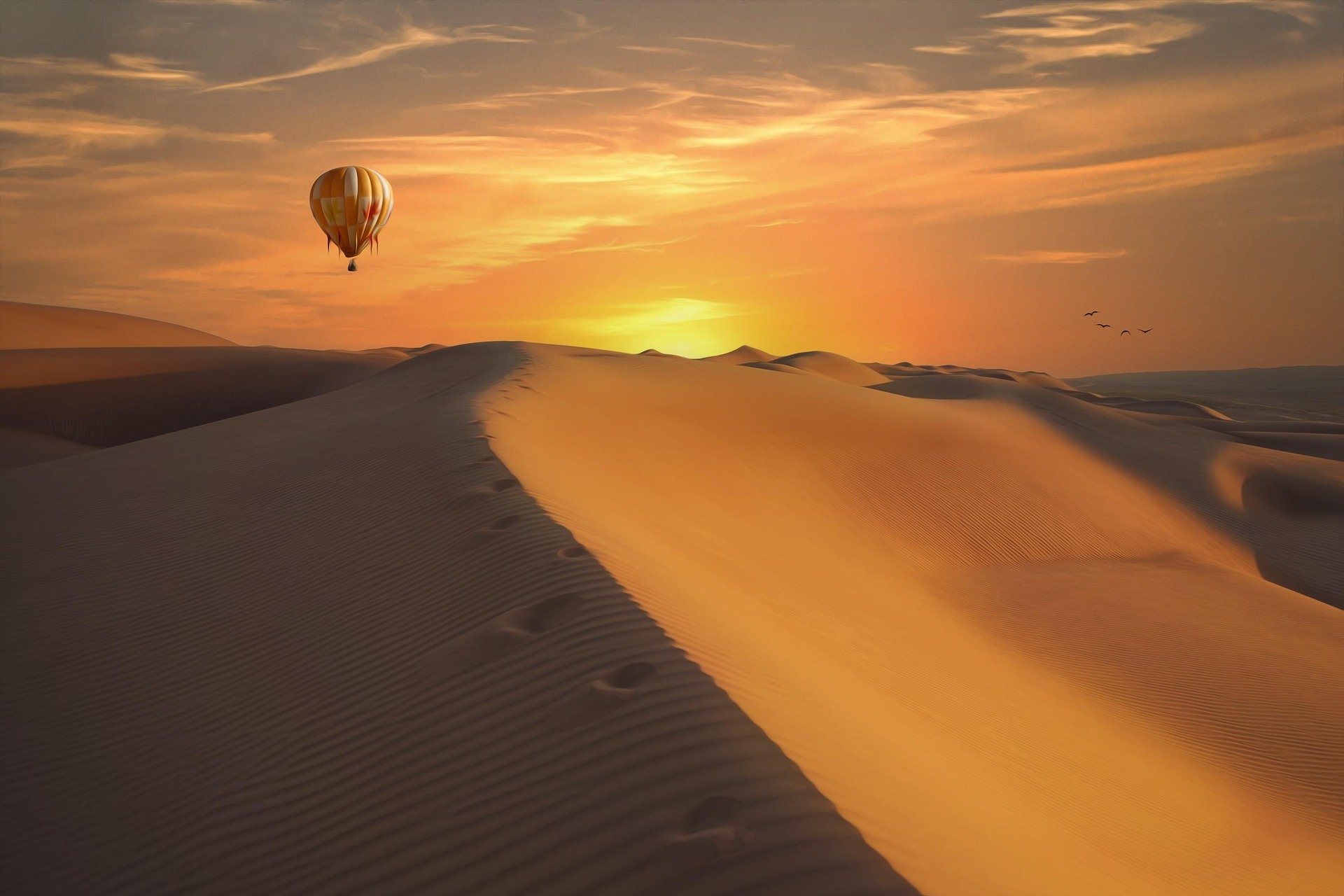
The dunes here are among the most photographed in the world. Dune 45, the most accessible, rises 170 meters. Big Daddy, at the edge of Deadvlei, towers 325 meters, higher than the Eiffel Tower. Climbing them at sunrise is a rite of passage. The sand is fine, red from iron oxide, and shifts constantly. Each footstep is a temporary mark on a landscape that has been reshaping itself for millions of years.
Best Time to Visit Sossusvlei in 2026
Timing your visit to Sossusvlei is about light and temperature, not wildlife. The landscape is spectacular year-round, but conditions vary dramatically.
Peak Season (May–October): Cool, Clear, Crowded
This is Namibia’s winter, and the best time for photography. Days are mild (20-28°C / 68-82°F), nights are cold (sometimes near freezing). The skies are clear, the light is golden, and the dunes are at their most photogenic. The downside: this is also the busiest time. The park gates open at sunrise, and queues can form. If you visit during these months, plan to enter at first light to beat the crowds and the midday heat.
Why visit now: Perfect weather, dramatic light, clear skies. Book accommodation months in advance.
Shoulder Season (March–April & November): Sweet Spot
March to April offers mild temperatures and fewer visitors. November is hot but the rains haven’t yet arrived, and the landscape is still stunning. These months offer a balance of good weather and lower prices.
Why visit now: Fewer crowds, comfortable temperatures, better value.
Green Season (December–February): Heat and Solitude
Summer in the Namib is hot—daytime temperatures often exceed 40°C (104°F). But this is also the season of dramatic thunderstorms, and the desert transforms. If the rains reach Sossusvlei, the pans fill with water, creating mirror-like reflections of the dunes. Birdlife appears, and the landscape glows with an emerald hue. Few travelers brave the heat, so you’ll often have the dunes to yourself.
Why visit now: Solitude, dramatic storms, rare reflections, budget-friendly rates.
How to Get to Sossusvlei: Your Gateway to the Dunes
Sossusvlei is remote, which is part of its magic. The nearest town is Sesriem, the gateway to the park. Most travelers fly into Windhoek (Namibia’s capital) and drive, or fly into nearby airstrips for fly-in safaris.
Getting to Namibia: Most international visitors arrive at Hosea Kutako International Airport (WDH) near Windhoek. Direct flights connect Johannesburg, Cape Town, Frankfurt, and Addis Ababa. From Windhoek, it’s a 4-5 hour drive to Sesriem on well-maintained gravel roads.
Self-drive: Namibia is one of Africa’s best self-drive destinations. The roads to Sossusvlei are good gravel, passable with a standard sedan (though a 4×4 is recommended for the final 5 kilometers into the vlei itself). Rent a car in Windhoek and enjoy the freedom of the open road.
Guided tours: For those who prefer not to drive, guided tours from Windhoek (2-3 days) or Swakopmund (day trips) are available. These handle logistics and often include sunrise access to the dunes.
Fly-in safaris: For the ultimate convenience, light aircraft fly from Windhoek or Swakopmund to private airstrips near Sesriem, with lodges handling transfers. This is the fastest way to reach the dunes, though the most expensive.
Search flights to Windhoek (WDH)
Where to Stay: From Camping Under Stars to Desert Luxury
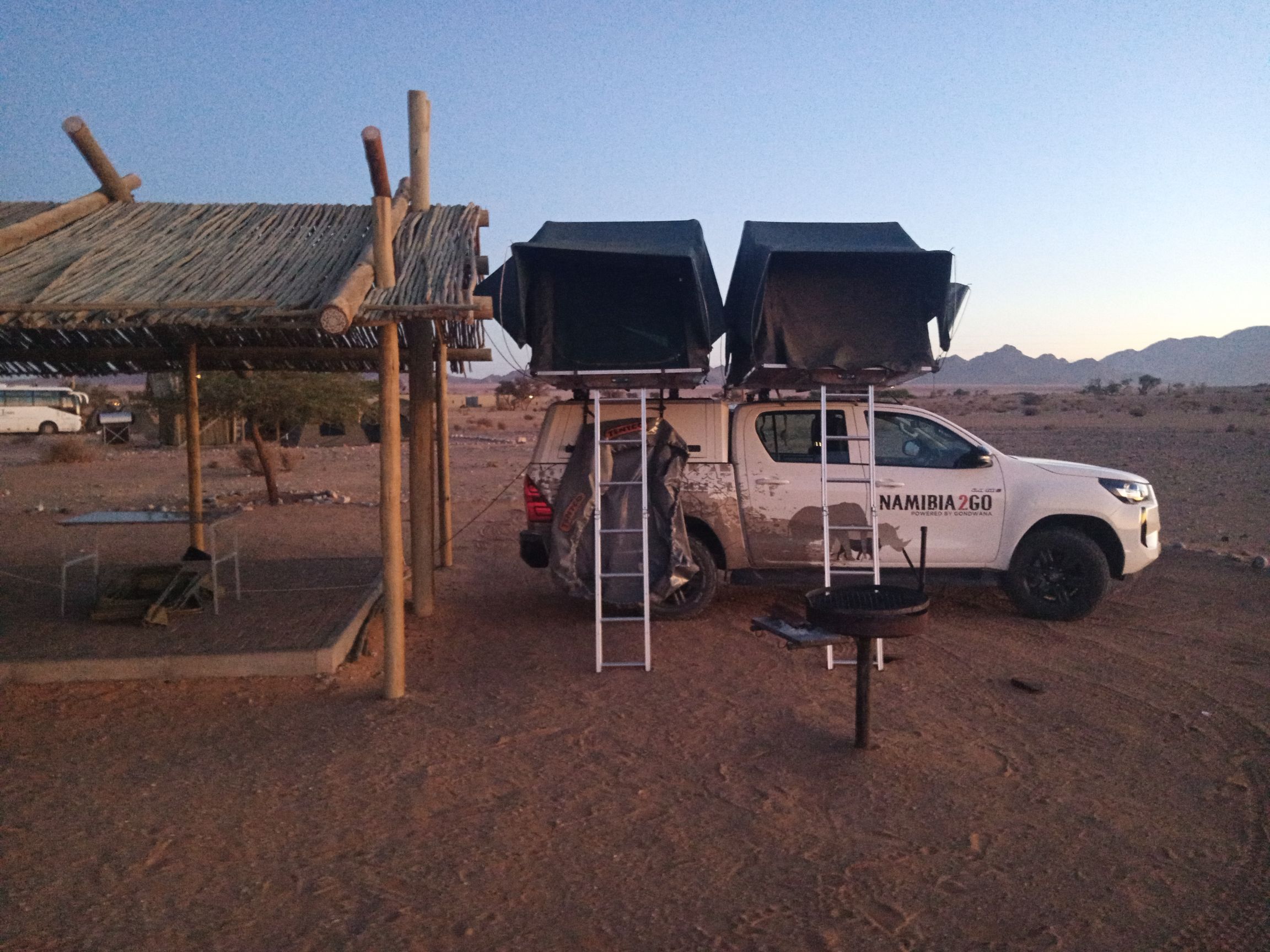
Accommodation near Sossusvlei clusters around Sesriem, just outside the park gate. The park itself has a government-run campsite (Sesriem Campsite) that allows early entry, a significant advantage during peak season.
Inside the Park: Sesriem Campsite
The only accommodation inside the park. Basic but well-maintained campsites with shared facilities. The advantage is priceless: you can enter the dunes before the main gate opens to non-guests, catching the first light without the queue. Book months in advance.
Just Outside the Gate: Lodges and Camps
A string of lodges and campsites line the road from the main gate. Options range from comfortable mid-range to ultra-luxury. Many offer guided excursions, and all are within a 5-30 minute drive of the park entrance.
Private Concessions: Secluded Luxury
A few exclusive lodges are located on private land near Sossusvlei, offering seclusion, expert guides, and activities like scenic flights over the dunes. These are for those seeking privacy and personalized service.
What to Do in Sossusvlei and Deadvlei
Climb a Dune at Sunrise
This is the quintessential Sossusvlei experience. Wake before dawn, drive to the park gate (or already be inside if staying at Sesriem Campsite), and watch the first light hit the dunes. Dune 45 is the most famous climb—a 20-minute ascent rewarded with panoramic views. Big Daddy, at 325 meters, is a tougher climb but takes you to the edge of Deadvlei. Bring water, wear sturdy shoes, and prepare for a workout. The reward: a sunrise you will never forget.
Walk Among the Ghosts of Deadvlei
Deadvlei is the reason photographers pilgrimage here. A white clay pan, cracked like a mosaic, scattered with blackened camelthorn trees that died 900 years ago. The contrast against the red dunes behind is otherworldly. Walk here early, before the crowds arrive and before the heat intensifies. The silence is profound, broken only by wind and the occasional click of a camera. Spend time here. Sit. Let the scale of time sink in.
Explore the Sesriem Canyon
A short drive from the park gate, Sesriem Canyon is a natural gorge carved by the Tsauchab River. It’s a cool escape from the heat, and a glimpse into the geological forces that shaped this landscape. In rare years when water flows, pools remain in the canyon, attracting wildlife.
Take a Scenic Flight
For a perspective few experience, a scenic flight over Sossusvlei reveals the true scale of the dunes. From above, you see the red sands stretching to the Atlantic, the ancient riverbeds, the geological patterns that hint at forces millions of years old. Flights depart from Sesriem airstrip and are worth every penny for photographers and dreamers.

Hot Air Balloon at Dawn
For the ultimate desert experience, float above the dunes in a hot air balloon at sunrise. The silence, the light, the vastness, it is a moment of pure magic. Balloon safaris include a champagne breakfast in the desert afterward.
Practical Tips for Your Sossusvlei Visit
Park Entry: The Namib-Naukluft National Park gate opens at sunrise and closes at sunset. Arrive at least 30 minutes before opening to be near the front of the queue during peak season.
Vehicle Access: The final 5 kilometers to Deadvlei require a 4×4 vehicle. If you have a sedan, a shuttle service runs from the parking area to the vlei (small fee). Alternatively, walking the distance is possible but adds time and effort.
Fuel and Supplies: The last fuel is in Solitaire (a quirky town with a famous apple pie) or Sesriem (limited). Fill up in Windhoek or Walvis Bay before heading into the desert. Carry extra water, at least 3 liters per person per day—and snacks.
Photography Tips: A wide-angle lens is essential for capturing the scale of the dunes. A polarizing filter helps manage the harsh light. Arrive at Deadvlei before 9am for the best light and to avoid crowds. If you’re staying inside the park, you can be there at first light, the golden hour here is legendary.
What to Pack: Neutral-colored clothing, a wide-brimmed hat, high-SPF sunscreen, sturdy walking shoes, a warm jacket for early mornings (even in summer), plenty of water, and your camera. A buff or scarf is useful for dusty conditions.
Stay connected with a Namibia eSIM
Why Sossusvlei and Deadvlei Matter in 2026
In a world that often feels overcrowded and noisy, Sossusvlei offers something rare: a landscape that humbles you. Standing at the foot of a 300-meter dune, walking among trees that died before Europe built its cathedrals, watching the sun rise over a desert older than humanity, these are moments that reset your sense of time. They remind you that the world is vast, that your worries are small, that beauty exists in places beyond the reach of the internet.
For 2026, Sossusvlei is more accessible than ever, yet it retains its remoteness. The roads are good, the infrastructure is solid, and the light remains as it has for millions of years. This is not a place you visit for luxury or convenience—though both exist here. It is a place you visit for perspective. For the silence. For the feeling of standing on the edge of something ancient and feeling, for a moment, truly alive.
Final Thoughts: Answer the Call of the Dunes
There are places that stay with you. Sossusvlei is one of them. Years later, you will close your eyes and see that red dune turning gold at sunrise. You will feel the fine sand beneath your feet, hear the whisper of wind, remember the silence of Deadvlei. You will carry this landscape in your bones.
For 2026, if you are ready to witness one of the world’s great natural wonders, to climb the tallest dunes on Earth, to walk among ancient ghosts, then Namibia is calling. The dunes are waiting. The light is perfect. And the silence—the profound, ancient silence is yours to discover.
Make 2026 the year you walk among giants. Sossusvlei awaits.
Planning Resources for Your Namibia Journey
- Central Kalahari Game Reserve Guide (2026) – Botswana’s untamed heart.
- Okavango Delta Travel Guide (2026) – Watery wilderness of Botswana.
- Chobe National Park Guide (2026) – Elephant capital of Africa.
- South Luangwa Guide (2026) – Zambia’s walking safari paradise.
Have questions about planning your Sossusvlei adventure? Drop them below—and if you’ve stood among the dunes, share your story with us.