South Luangwa National Park, Zambia: The Ultimate Walking Safari & Wildlife Guide 2026
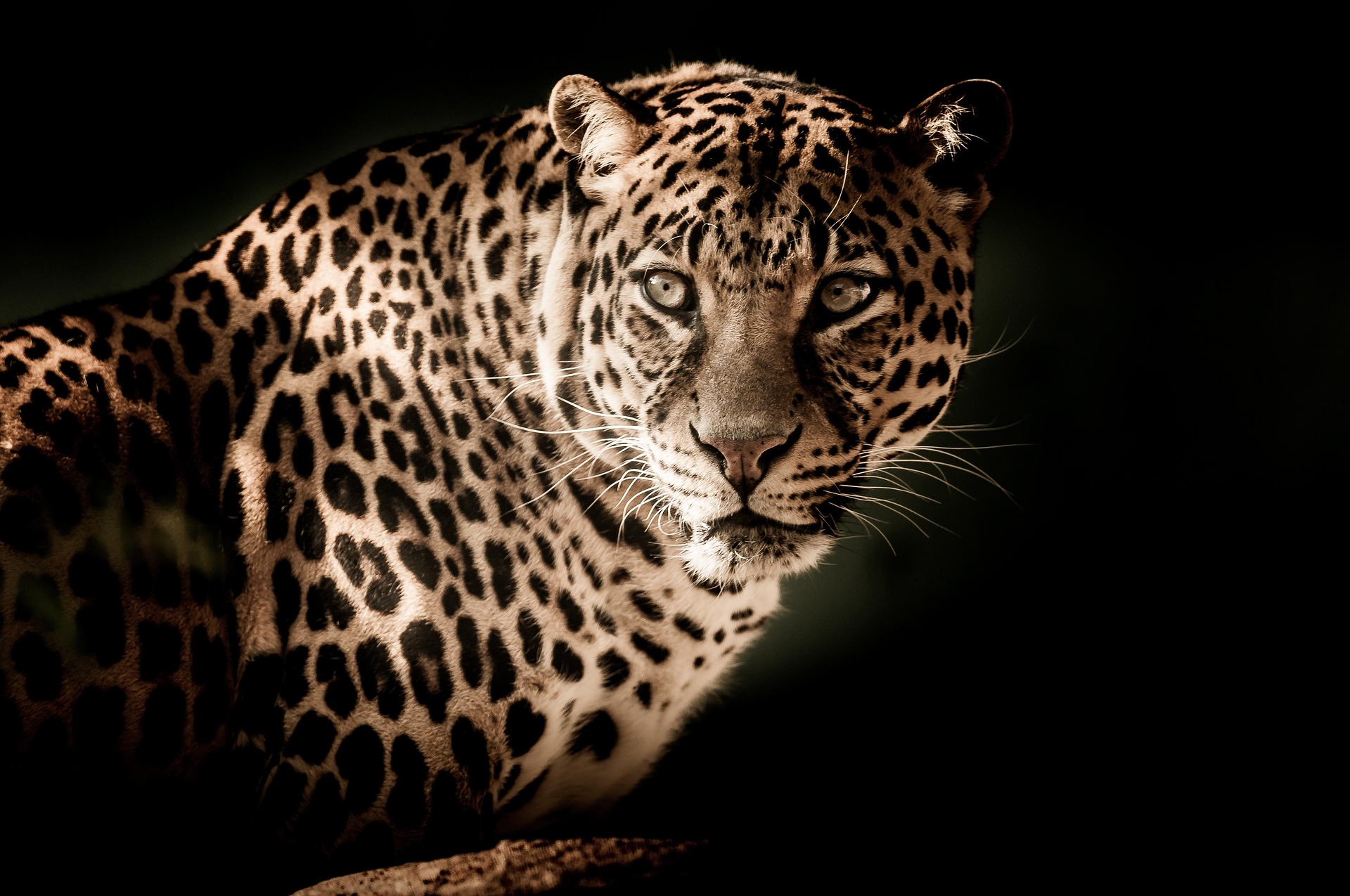
Quick answer: South Luangwa National Park is Zambia’s premier wildlife destination, the birthplace of walking safaris, home to incredible concentrations of leopards, elephants, and hippos, and one of Africa’s most authentic safari experiences.
Imagine walking silently through an ebony forest, your guide pausing to point out fresh lion tracks in the dust. The only sounds are bird calls and the crunch of dry leaves underfoot. This is South Luangwa, a park that doesn’t just show you wildlife; it immerses you in it.
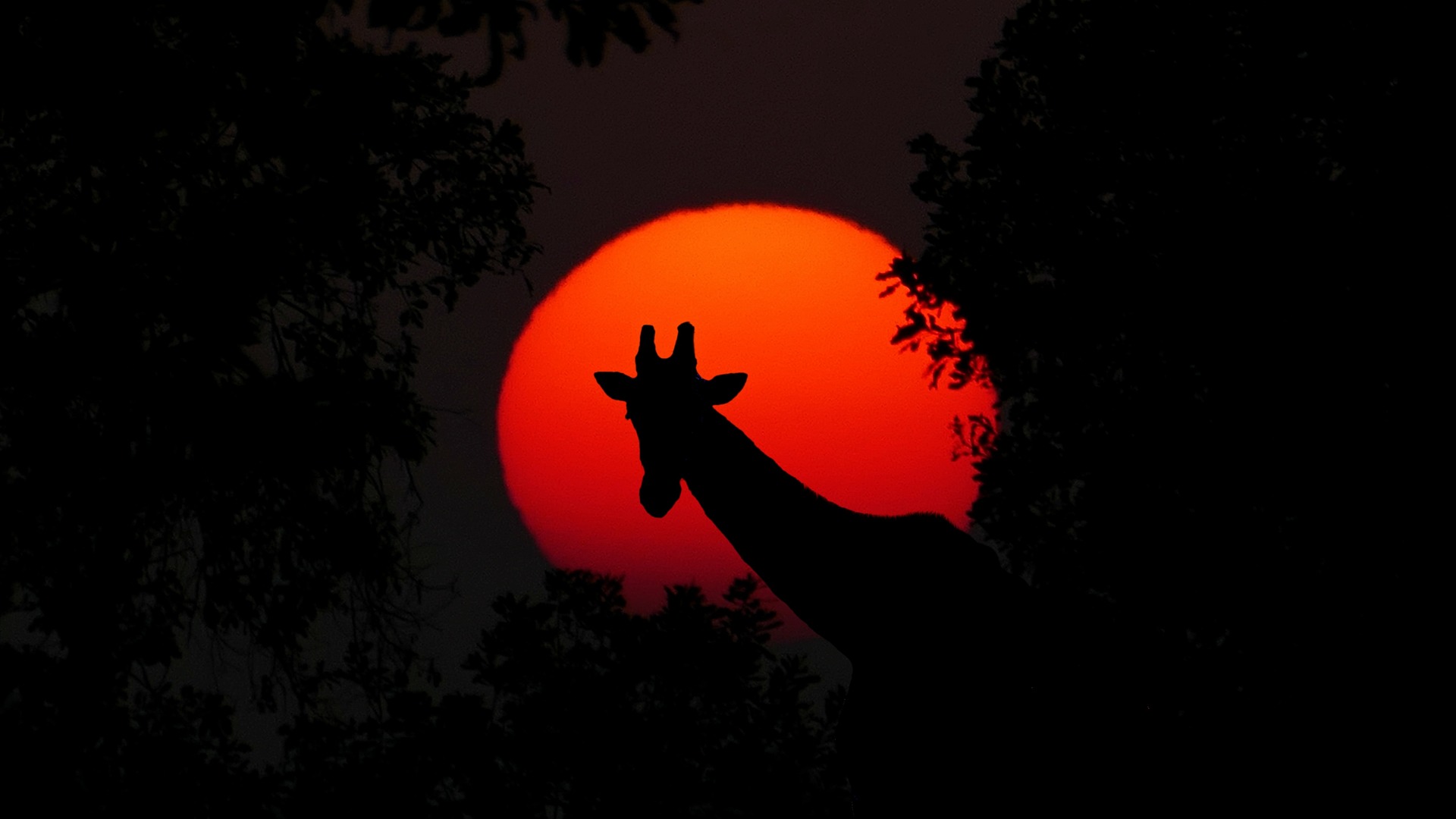
For travelers seeking an authentic, off-the-beaten-path safari in 2026, South Luangwa delivers something increasingly rare: a wilderness experience with few vehicles, expert guides, and the chance to truly feel Africa beneath your feet.
Already planning a Zambia trip? This guide covers everything from the park’s famous walking safaris to the best lodges and how to combine it with Victoria Falls or Chobe.
At a Glance: South Luangwa Quick Facts
}ableWhy South Luangwa Should Be on Your 2026 Safari ListWhile many African parks focus on vehicle-based game drives, South Luangwa offers something fundamentally different: intimacy with the wild.The Birthplace of Walking Safaris  South Luangwa didn’t just offer walking safaris, it invented them. Legendary conservationist Norman Carr pioneered the concept here in the 1950s, taking visitors on foot to experience the bush without the barrier of a vehicle . Today, that tradition continues with some of Africa’s most experienced guides. Walking through a herd of elephants or tracking lions on foot isn’t just thrilling, it’s transformative.Leopard Capital of Africa
  If leopards are your obsession, South Luangwa is your promised land. The park boasts one of the highest leopard densities in Africa. Evening drives frequently reveal these elusive cats lounging in ebony trees or stalking through the undergrowth. For photographers, it’s paradise.Untouched, Low-Vehicle ExperienceUnlike the crowded jeep jams of more famous parks, South Luangwa remains refreshingly uncrowded. The park limits vehicle numbers, and the remote location means you’ll often have sightings to yourself. In peak season, you might see 5-10 vehicles at a lion sighting, compare that to 50+ in other parks.
Unique Wildlife Highlights
- Thornicroft’s giraffe: A subspecies found only in South Luangwa
- Crawshay’s zebra: Another endemic subspecies with unique stripe patterns
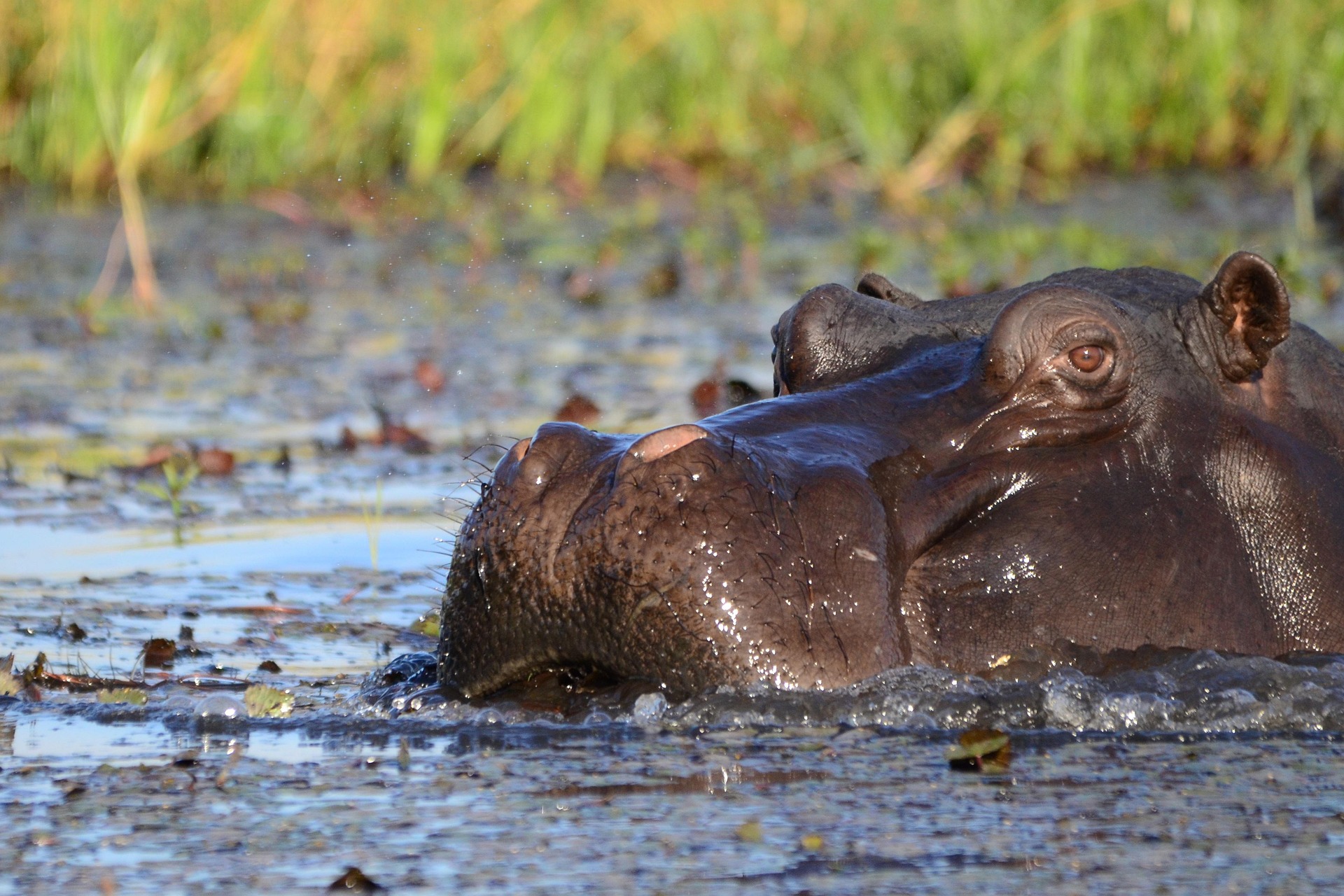
- Hippo pods: The Luangwa River holds one of Africa’s largest hippo concentrations, some pods exceed 100 individuals
- African wild dogs: Regularly sighted, especially in the dry season
Best Time to Visit South Luangwa in 2026South Luangwa has two distinct seasons that offer completely different experiences. Your choice depends on whether you prioritize walking safaris or lower rates.Dry Season (June–October): The Classic Safari ExperienceGreen Season (November–May): Lush, Quiet & AffordableOur 2026 Recommendation: For most travelers, August-September offers the best balance of weather and wildlife. If walking safaris are your priority, June-July is ideal (cooler temperatures). Budget travelers should target April-May or November for the best value.How to Get to South Luangwa National ParkMfuwe International Airport (MFU) is the gateway to South Luangwa, located just 30 minutes from the park entrance and most lodges.By Air (Recommended)
- From Lusaka (LUN): Daily flights with Proflight Zambia (1.5 hours). Most travelers fly into Lusaka from Johannesburg, Nairobi, or Addis Ababa, then connect.
- From Livingstone/Victoria Falls (LVI): Direct flights available (1.5-2 hours). Perfect for combining with Victoria Falls.
- From Johannesburg (JNB): Direct flights to Mfuwe with Proflight Zambia (connecting via Lusaka) or charter options.
 Ready to plan your flights? Search and compare routes to Mfuwe (MFU) or Livingstone (LVI) for your 2026 Zambia safari:
 Find Cheap Flights to South Luangwa (Mfuwe)By Road (For the Adventurous)Self-driving from Lusaka is possible but challenging (8-10 hours, poor road conditions in sections). Most visitors prefer flying, especially given the park’s remote location. If driving, a 4×4 is essential during green season.The South Luangwa Safari Experience: What You’ll Actually Do1. Walking Safari – The Signature Experience This is why you come to South Luangwa. Led by an expert guide (often with a scout for safety), you’ll spend 2-4 hours walking through the bush. Don’t expect big cats up close (guides maintain safe distances), but you’ll track animals, learn about medicinal plants, and experience the African bush in its rawest form. Morning walks (when predators are less active) are standard; some lodges offer afternoon walks during cooler months.What to expect: Small groups (max 6 people), armed guide, detailed tracking, intimate moments with elephants and giraffes.2. Game Drives (Day & Night)South Luangwa pioneered the night drive—and it’s extraordinary. The park allows night drives (unlike many African parks), giving you a chance to see leopards hunting, hyenas on the prowl, and elusive nocturnal species like civets, genets, and porcupines. Morning and afternoon drives cover the classic safari circuit along the Luangwa River and its oxbow lagoons.Night drive tip: This is when leopards are most active. South Luangwa’s leopard density makes night drives particularly rewarding.3. Photographic SafarisWith its high leopard population, diverse landscapes (riverine forests, open grasslands, oxbow lagoons), and excellent light, South Luangwa is a photographer’s dream. Several lodges offer specialist photographic safaris with hide access and vehicles designed for photography.Where to Stay: South Luangwa’s Best Lodges & CampsAccommodation in South Luangwa falls into three main categories, with most properties offering all-inclusive packages (meals, activities, transfers).Budget & Self-Catering ($100-250 per night)
- Flatdogs Camp: The most popular budget option. Excellent location, safari-style tents and chalets, great restaurant, and a swimming pool. Walking safaris and drives available.
- Marlin Lodge: Riverside location with comfortable chalets. Good value for money.
- Wildlife Camp: Classic safari camp with tented accommodation, stunning river views, and a relaxed atmosphere.
Mid-Range Comfort ($300-600 per night)
- Kafunta River Lodge: Beautiful riverside lodge with excellent guides, spacious rooms, and a fantastic hide overlooking the floodplain.
- Zikomo Safari Camp: Boutique camp with stylish tents, exceptional service, and intimate atmosphere (only 4 tents).
- Robin Pope Safaris – Luangwa River Camp: Classic safari camp with a focus on walking safaris and expert guiding.
Luxury & Exclusive ($800-1500+ per night)
- Chinzombo: Ultra-luxury villas on the river, sleek design, exceptional guiding. One of Zambia’s top properties.
- Mfuwe Lodge: Famous for elephants walking through reception during mango season (October-November). Luxurious, central location.
- Norman Carr Safaris – Kapani Lodge: The original walking safari lodge (founded by Norman Carr himself). Timeless elegance and legendary guiding.
- Shenton Safaris – Kaingo & Mwamba: Photographer-focused camps with hides and exceptional leopard sightings.
Important: Book at least 6-9 months ahead for July-October. Many camps close during January-March (wet season).Wildlife Highlights: What to ExpectSouth Luangwa vs. Other African Safari DestinationsSample Itinerary: Victoria Falls + South Luangwa (10 Days)This is one of Zambia’s classic combinations, adrenaline and waterfall first, then immersive wildlife.Days 1-3: Victoria Falls (Livingstone, Zambia)
- Explore Mosi-oa-Tunya (Victoria Falls) from the Zambian side
- Devil’s Pool (if open), sunset cruise on the Zambezi
- Adrenaline activities: bungee, helicopter flight
Day 4: Travel Day
- Fly Livingstone (LVI) to Mfuwe (MFU) – direct flights available (Proflight Zambia)
- Transfer to South Luangwa lodge (30 minutes), afternoon relaxation
Days 5-9: South Luangwa Safari
- Day 5: Morning game drive, afternoon walking safari
- Day 6: Full-day exploration (packed lunch), night drive
- Day 7: Morning walking safari, afternoon photography drive
- Day 8: Optional: Visit local village or additional walking safari
- Day 9: Last morning activity, depart to Mfuwe airport
Day 10: Depart from Lusaka or JohannesburgCombine with Chobe or Zanzibar for a longer Southern/Eastern Africa circuit.
Practical Tips for Your 2026 South Luangwa SafariVisas & Entry
- Zambia e-Visa or Visa on Arrival: Most nationalities (US, UK, EU, Canada, Australia) can obtain a visa on arrival ($50 USD single entry) or apply online beforehand.
- KAZA Univisa: If also visiting Zimbabwe (Victoria Falls), get the KAZA Univisa ($50 USD) – allows multiple entries between Zambia and Zimbabwe and includes day trips to Chobe .
- Yellow Fever: Required if arriving from an endemic country. Not required for direct entry from Europe/US.
Stay ConnectedMost lodges offer Wi-Fi, but it can be slow. For reliable connectivity in town (Mfuwe) and between lodges, consider an eSIM. Get your eSIM for Zambia: Get Your eSIM for Zambia with YesimWhat to Pack for South Luangwa
- Neutral-colored clothing (khaki, beige, olive) – avoid bright colors and black/blue (attracts tsetse flies)
- Warm layers for morning drives (June-August mornings can be 5-10°C / 41-50°F)
- Sturdy walking shoes/boots (essential for walking safaris)
- Sun protection: Hat, sunglasses, high-SPF sunscreen
- Insect repellent (malaria risk is present; consult doctor about prophylaxis)
- Binoculars – absolutely essential for wildlife viewing
- Camera with zoom lens (200mm+ minimum; 400mm+ ideal for wildlife photography)
- Headlamp/flashlight (camps can be dark at night)
- Reusable water bottle (most lodges provide filtered water)
- Adapter: Zambia uses UK-style plugs (three rectangular prongs) and South African-style (three round pins)
Money & Tipping
- Currency: Zambian Kwacha (ZMW). US dollars are widely accepted for tours, park fees, and higher-end accommodation. Smaller purchases require Kwacha.
- Park fees: $25-30 per person per day (often included in lodge packages).
- Tipping: Customary for guides ($10-20 per person/da
| Factor | Details | ||
|---|---|---|---|
Location}] | Eastern Zambia, along the Luangwa River (part of the Great Rift Valley)}, | ||
Size}, | 9,050 km² (about the size of Yellowstone National Park)}, | ||
Best Known For}, | Walking safaris (birthplace of the concept), leopards, hippos, untouched wilderness}, | ||
Ideal Trip Length}, | 3-5 days}, | ||
Peak Season}, | June–October (dry season)}, | ||
Main Airport}, | Mfuwe International Airport (MFU) – 30 minutes from the park}, | ||
Unique Feature}, | One of Africa’s highest leopard densities; walking safaris pioneered here}, | ||
| Months | Conditions | Wildlife | Best For |
| June-July | Cool days (15-28°C / 59-82°F), crisp mornings | Animals start concentrating near Luangwa River | Comfortable weather, ideal for walking safaris |
| August-September | Warm to hot (20-35°C / 68-95°F), dry | Peak wildlife concentration; leopards, elephants, hippos abundant | Prime game viewing; leopard sightings at their best |
| October | Very hot (25-40°C / 77-104°F), pre-rains | Maximum concentration; animals gather at remaining water sources | Photography (dramatic light), die-hard safari enthusiasts |
| Months | Conditions | Wildlife | Best For |
| November-December | First rains, lush vegetation, temperatures still high | Animals disperse; calving begins; birdlife abundant | Budget travel, birdwatching, photographers (green landscapes) |
| January-March | Wet season peak; roads can be challenging | Some camps close; wildlife scattered but stunning scenery | Adventurous travelers; excellent birding (migrants present) |
| April-May | Rains ease; landscape lush and waterfalls active | Wildlife returning to river; prime birding; good photography | Shoulder season value; wildflowers and newborn animals |
| Animal | Sighting Likelihood | Best Season | Notes |
| Leopard | Very High | Dry season (June-October) | One of Africa’s best parks for leopards; night drives are key |
| Elephant | Very High | Year-round | Large herds; often encountered on walks |
| Hippo | Very High | Year-round | Luangwa River holds thousands; pods of 100+ common |
| Lion | High | Dry season | Several prides; tree-climbing behavior observed |
| African Wild Dog | Medium | Dry season (especially September-October) | Packs are present but nomadic; a special sighting |
| Thornicroft’s Giraffe | High | Year-round | Endemic subspecies—found nowhere else on Earth! |
| Buffalo | High | Dry season | Large herds along the river |
| Destination | Best Feature | Why Choose South Luangwa Instead | |
| South Luangwa | Walking safaris, leopards, intimacy | — | |
| Chobe (Botswana) | Elephants, river cruises | South Luangwa offers walking safaris and better leopard sightings with fewer crowds | |
| Masai Mara / Serengeti | Wildebeest migration, big cats | South Luangwa provides a more exclusive, low-vehicle experience with exceptional walking safaris | |
| Okavango Delta | Water-based safaris, luxury camps | South Luangwa is more affordable and offers the unique walking safari heritage | |
| Victoria Falls | Adrenaline activities, waterfall | Combine both! South Luangwa is the perfect wildlife addition to a Vic Falls trip |