Chobe National Park Travel Guide 2026: Africa’s Elephant Paradise & Safari Ultimate
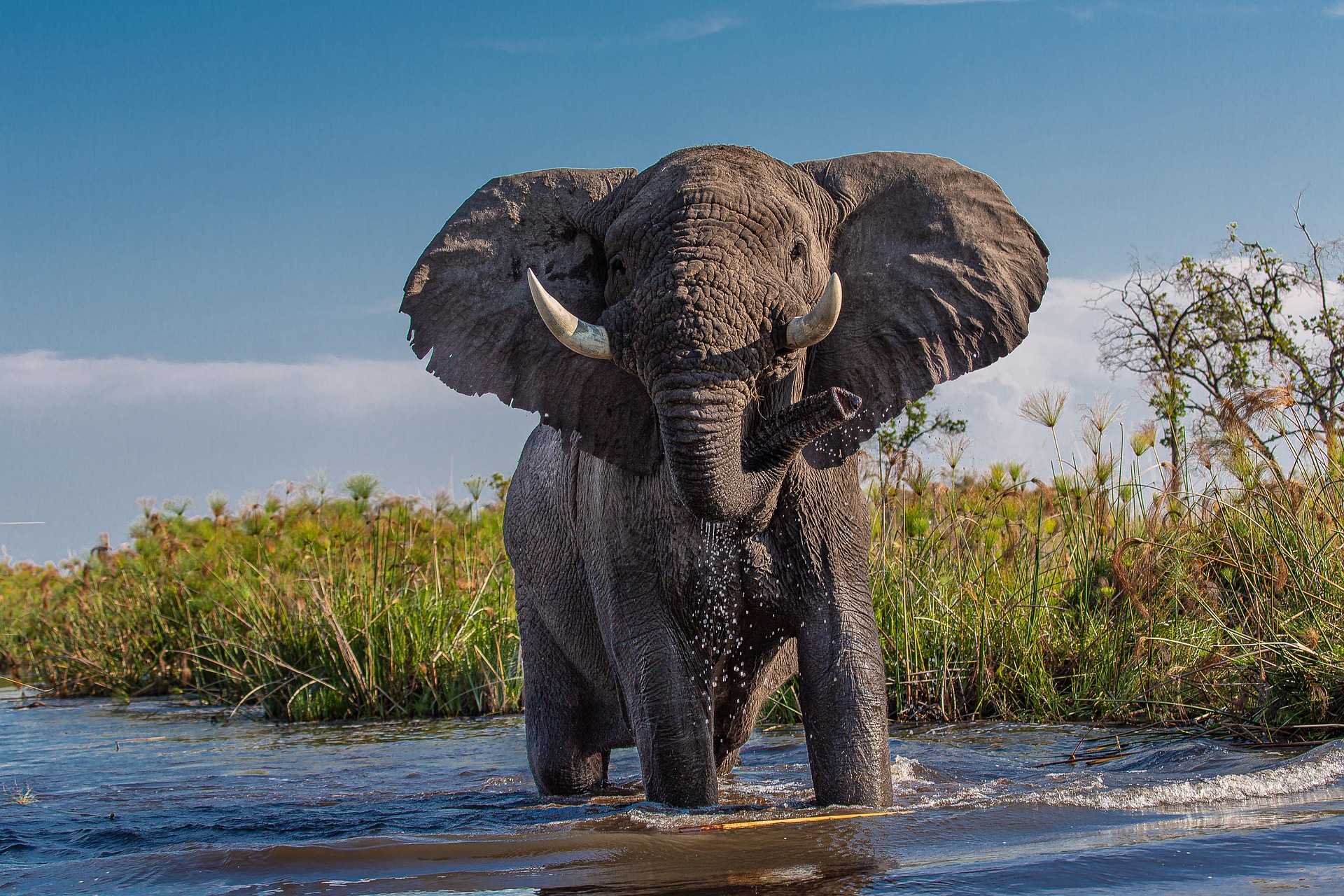
Quick answer: Chobe National Park is Botswana’s premier safari destination, home to the world’s largest elephant population (over 50,000!) and offering unique river-based game viewing. Located just 1-2 hours from Victoria Falls, it’s the perfect add-on to any Southern Africa itinerary.
Imagine drifting silently along the Chobe River as the African sun paints the sky orange and gold. Below the water’s surface, hippos grunt and yawn. On the riverbanks, dozens of elephants emerge to drink, bathe, and play—matriarchs leading their herds, tiny calves splashing clumsily behind them. Welcome to Chobe National Park.
If you’re planning a Southern African adventure for 2026, Chobe demands a spot on your itinerary. It’s not just another game reserve—it’s one of Africa’s greatest wildlife spectacles, and it’s remarkably accessible from Victoria Falls.
Already dreaming of those elephant herds? Keep reading—this guide covers everything from the best time to visit to where to stay and how to combine Chobe with your Victoria Falls trip.
At a Glance: Chobe National Park Quick Facts
| Factor | Details |
|---|---|
| Location | Northwest Botswana, bordering Zimbabwe, Namibia, and Zambia |
| Size | 11,700 km² (larger than Jamaica!) |
| Best Known For | Africa’s largest elephant population, river safaris, year-round wildlife |
| Ideal Trip Length | 1-3 days (2 days recommended) |
| Peak Season | May-October (dry season) |
| From Victoria Falls | 1-2 hour drive (easily combined!) |
| Main Airport | Kasane International Airport (BBK) |
Why Chobe National Park Deserves a Spot on Your 2026 Bucket List
Chobe isn’t just another national park—it’s a wildlife phenomenon. Here’s what makes it extraordinary:
The Elephant Capital of the World 🐘
With over 50,000 elephants roaming its borders, Chobe boasts the highest elephant concentration in Africa [citation:4][citation:7]. During the dry season, you’ll witness hundreds gathering along the river—a spectacle so moving it brings grown travelers to tears. Herds of 50, 80, even 100 elephants appear simultaneously, drinking, swimming, and communicating in rumbles you’ll feel in your chest.
Two Safaris in One: Land AND Water
Most parks offer only game drives. Chobe offers a dual experience:
- Land safaris (4×4 game drives): Classic wildlife viewing across floodplains and woodlands
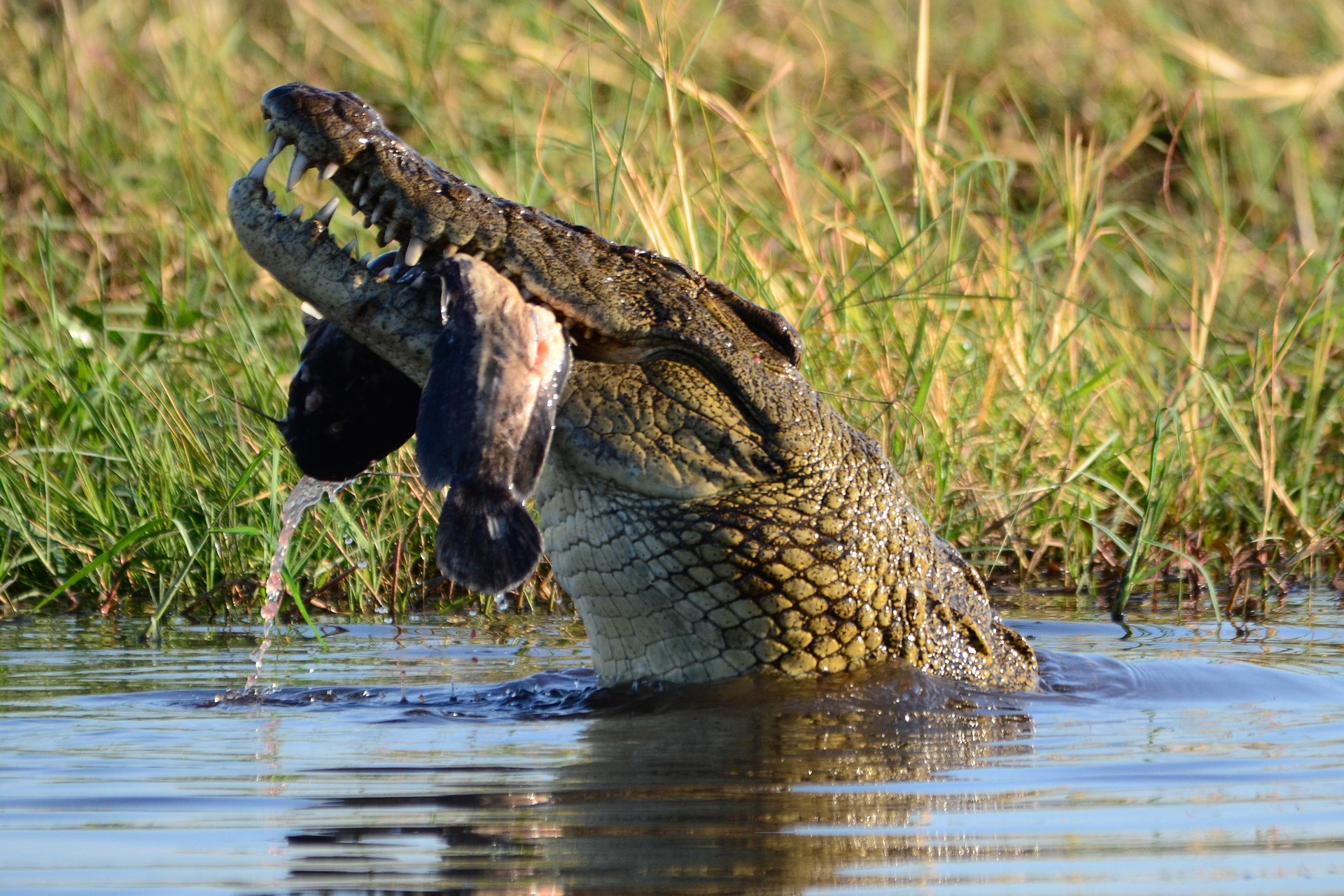
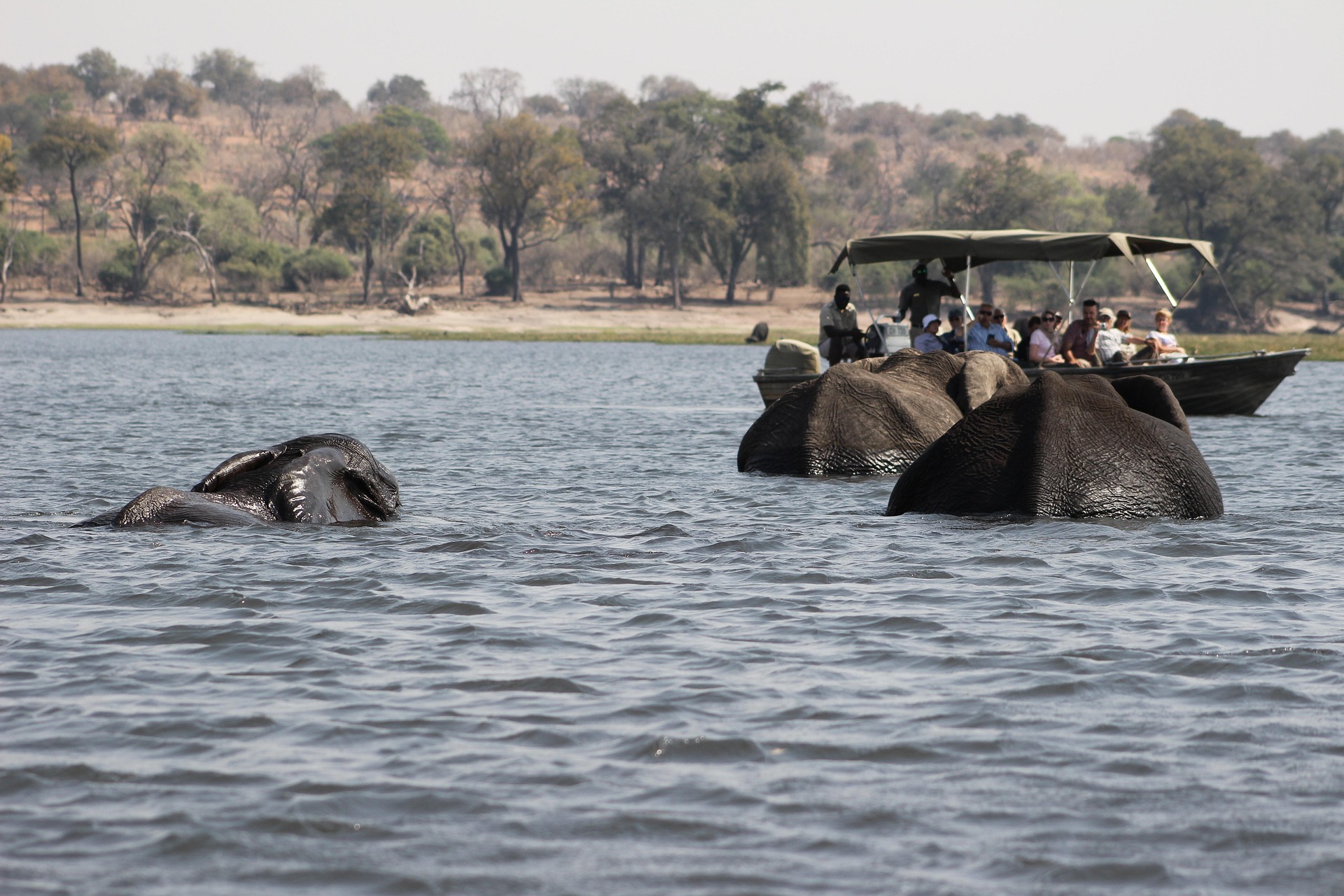
- Water safaris (boat cruises): Unique perspective from the Chobe River—get eye-level with elephants swimming, hippos surfacing, and crocodiles basking [citation:7]
Year-Round Wildlife Viewing
Unlike parks that “switch off” in certain seasons, Chobe delivers 12 months of exceptional game viewing. The animals are always there—you just see them differently depending on when you visit.
Perfect Combo with Victoria Falls
Located just 1-2 hours from Victoria Falls (Zimbabwe side), Chobe is the ideal extension to your itinerary [citation:4][citation:7]. You can easily visit as a day trip or stay overnight in one of the park’s lodges. Check out our Victoria Falls guide for the full picture!
The Four Faces of Chobe: Understanding the Park’s Regions
Chobe National Park is divided into four distinct areas, each offering different experiences:
1. Serondela Area (Chobe Riverfront) – The Crown Jewel
Best for: First-time visitors, river safaris, elephant viewing
This is where most tourists go—and for good reason. The riverfront is game-viewing heaven. During dry season, animals congregate along the river in mind-blowing numbers. You’ll see elephants, buffalo, giraffes, and antelopes practically posing for photos. The river itself teems with hippos and crocs. Both game drives and boat cruises here are world-class.
2. Savuti Marsh Area – Predator Territory
Best for: Big cat enthusiasts, off-the-beaten-path experiences
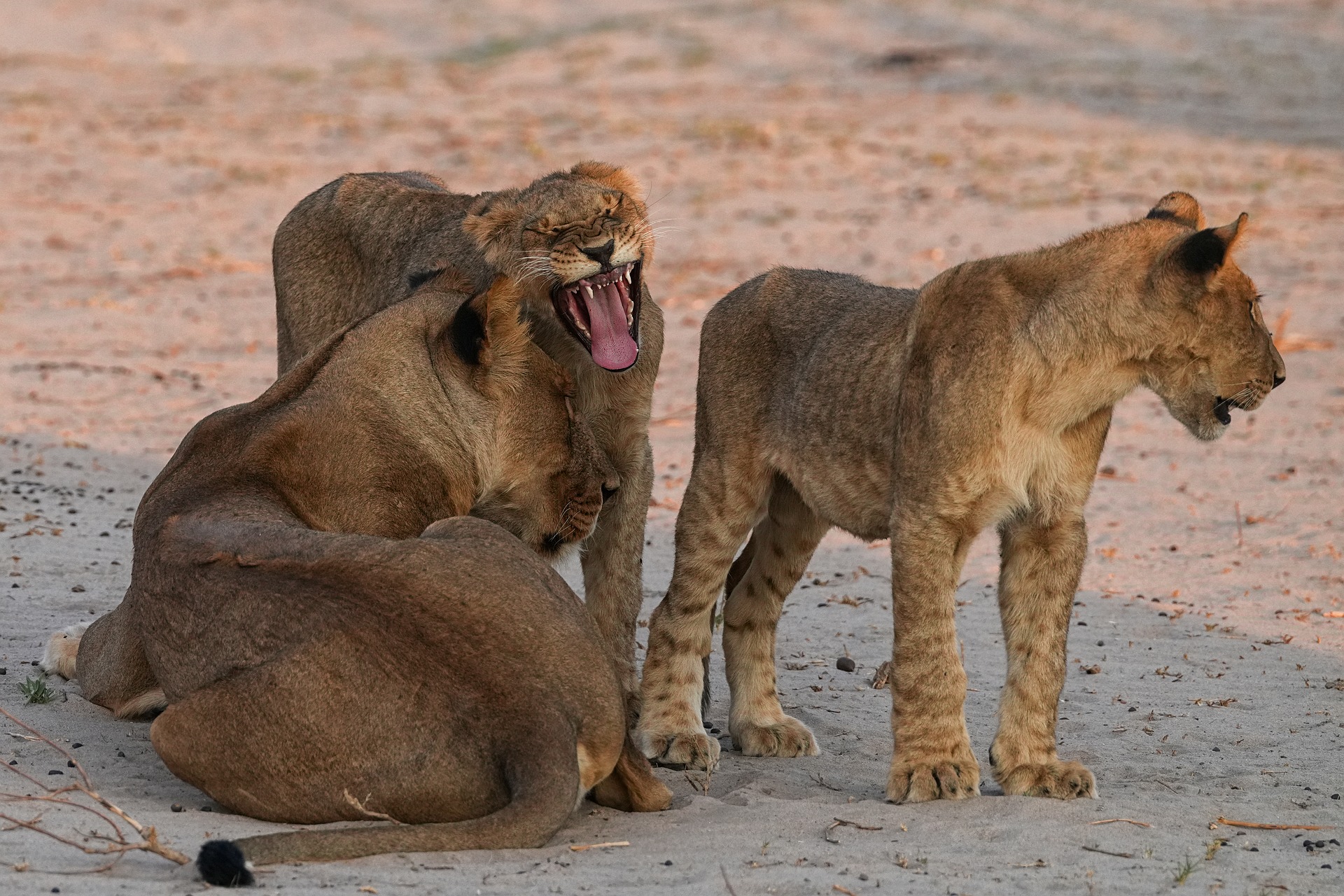
In western Chobe, Savuti is famous for its lion prides and dramatic predator-prey dynamics. The Savuti Channel has a fascinating history—it flows and dries up unpredictably. When it flows, wildlife floods in. The area’s rocky outcrops and grasslands create stunning photographic backdrops.
3. Linyanti Swamps – Remote Wilderness
Best for: Experienced safari-goers, exclusivity, wild dogs
Northwestern Chobe, bordering Namibia’s Caprivi Strip. This is wild, remote, and uncrowded. The Linyanti Marshes attract large herds of elephants and predators, including one of Africa’s strongest populations of African wild dogs (painted wolves). Access here is more expensive and limited—perfect for those seeking solitude.
4. Nogatsaa Grass Plains – The Middle Gem
Best for: Self-drivers, budget travelers, birding
The park’s interior is less visited but offers excellent year-round game viewing (especially in green season). It’s more accessible for self-drive safaris, with basic campsites and fewer vehicles. During summer rains, the area explodes with birdlife and antelope.
Most visitors stick to the Chobe Riverfront—and honestly, it’s enough for an unforgettable trip.
Best Time to Visit Chobe National Park in 2026
Dry Season (May–October): Peak Wildlife Viewing
| Months | Conditions | Wildlife | Crowds |
|---|---|---|---|
| May-June | Cool, pleasant, 15-28°C | Animals start concentrating near river | Moderate |
| July-August | Cool mornings, mild days, 10-28°C | Excellent viewing; elephants gathering | Busy (book early!) |
| September-October | Hot, 25-40°C | Peak concentration at river; elephant spectacle at maximum | Very busy |
Best for: Unforgettable elephant sightings, guaranteed wildlife, comfortable weather (May-August)
Green Season (November–April): Lush Landscapes & Birding
| Months | Conditions | Wildlife | Crowds |
|---|---|---|---|
| November-December | Warm, afternoon rains, green landscapes | Animals scattered; birds arrive | Low |
| January-March | Hot, humid, rains | Calving season; predators follow; birding peak | Very low (great deals!) |
| April | Rains easing, lush and beautiful | Transition month; good birding | Low |
Best for: Photography (green backgrounds), birdwatchers (over 450 species!), budget travelers, avoiding crowds
Our 2026 Recommendation:
For first-time visitors: July–September offers the classic Chobe experience—cool mornings, reliable wildlife, and those iconic elephant herds [citation:2]. Book at least 6 months ahead!
For repeat visitors/photographers: January–April delivers stunning green landscapes, dramatic skies, and newborn animals—with far fewer tourists.
How to Get to Chobe National Park (From Victoria Falls & Beyond)
From Victoria Falls, Zimbabwe (Most Popular Route)
This is the route most travelers take—and it’s wonderfully straightforward.
- By road (1-2 hours): Drive from Victoria Falls town to Kazungula Border, cross into Botswana, and continue to Kasane (Chobe’s gateway town). Most tour operators in Victoria Falls offer day trips to Chobe including transport, border assistance, safari activities, and lunch [citation:4][citation:7].
- With a tour operator: Hassle-free option. They handle border paperwork, provide transport, and arrange your safari. Prices typically range $150–250 depending on activities.
- Self-drive: Possible if you have your own 4×4. You’ll need to handle border formalities yourself and book activities in Kasane.
By Air (Direct to Kasane)
Kasane International Airport (BBK) receives flights from:
- Johannesburg (South Africa) – daily connections
- Cape Town (seasonal)
- Maun (Botswana) – for Okavango Delta connections
- Victoria Falls (Zimbabwe) – light charter flights available
Many luxury lodges arrange private charters directly to their airstrips.
From Livingstone, Zambia
Similar to Victoria Falls but requires crossing into Zimbabwe first (via Kazungula Bridge), then into Botswana. Tours from Livingstone are also available but less common.
From Namibia (Caprivi Strip now Zambezi Region)
If you’re traveling through Namibia, you can enter Botswana at the Ngoma Bridge border post (western Chobe).
The Complete Chobe Safari Experience: What You’ll Actually Do
1. Boat Cruise Safari (Morning or Sunset) – ABSOLUTE MUST-DO
This is what makes Chobe unique. Don’t skip it.
- Duration: 2-4 hours
- Best time: Late afternoon (sunset cruises are magical)
- What you’ll see: Elephants swimming (unforgettable!), hippos surfacing, crocodiles basking, waterbirds, and the most spectacular African sunsets
- Why it’s special: You’re at water level. When elephants swim, only their trunks and eyes show—pure magic. The boat allows close approach without disturbing animals.
2. Game Drive Safari (Morning or Afternoon)
Classic 4×4 safari through Chobe’s riverfront or Savuti.
- Duration: 3-4 hours
- Best time: Early morning (predators active) or late afternoon (golden light)
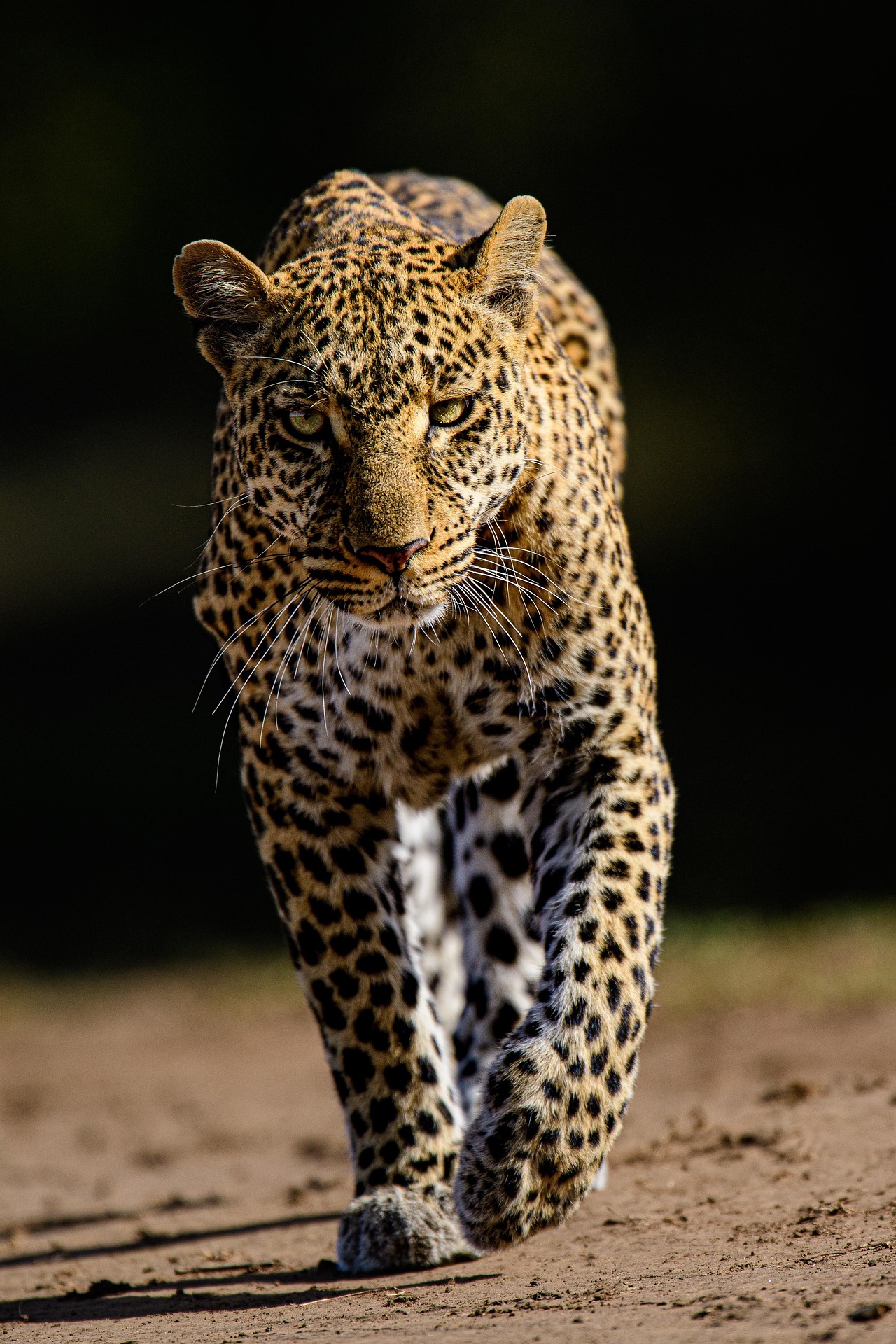
- What you’ll see: Lions, leopards (if lucky), buffalo, giraffes, zebras, antelopes—plus the inevitable elephant herds
- Vehicles: Open-topped 4x4s for unobstructed viewing and photography
3. Full-Day Combo (Boat + Game Drive)
The ultimate Chobe day: morning game drive, lunch break, afternoon boat cruise. You’ll experience both perspectives and maximize sightings.
4. Multi-Day Safari (2-3 Nights)
For deeper immersion, stay in a lodge inside or near the park. You’ll enjoy:
- Morning and afternoon activities daily
- Night drives (not possible on day trips)
- Walking safaris (in designated areas)
- Unhurried pace, more exclusive experience
Wildlife in Chobe: What You’ll See (And When)
| Animal | Best Season | Notes |
|---|---|---|
| Elephants | May-October (peak concentration) | Year-round resident; 50,000+ population |
| Lions | Year-round; easier in dry season | Famous Savuti prides; riverfront sightings common |
| Leopards | Dry season | Present but elusive; riverfront woodlands |
| African Wild Dogs | Year-round (rare but present) | Linyanti region is best; endangered and special sighting |
| Buffalo | Year-round | Massive herds along river |
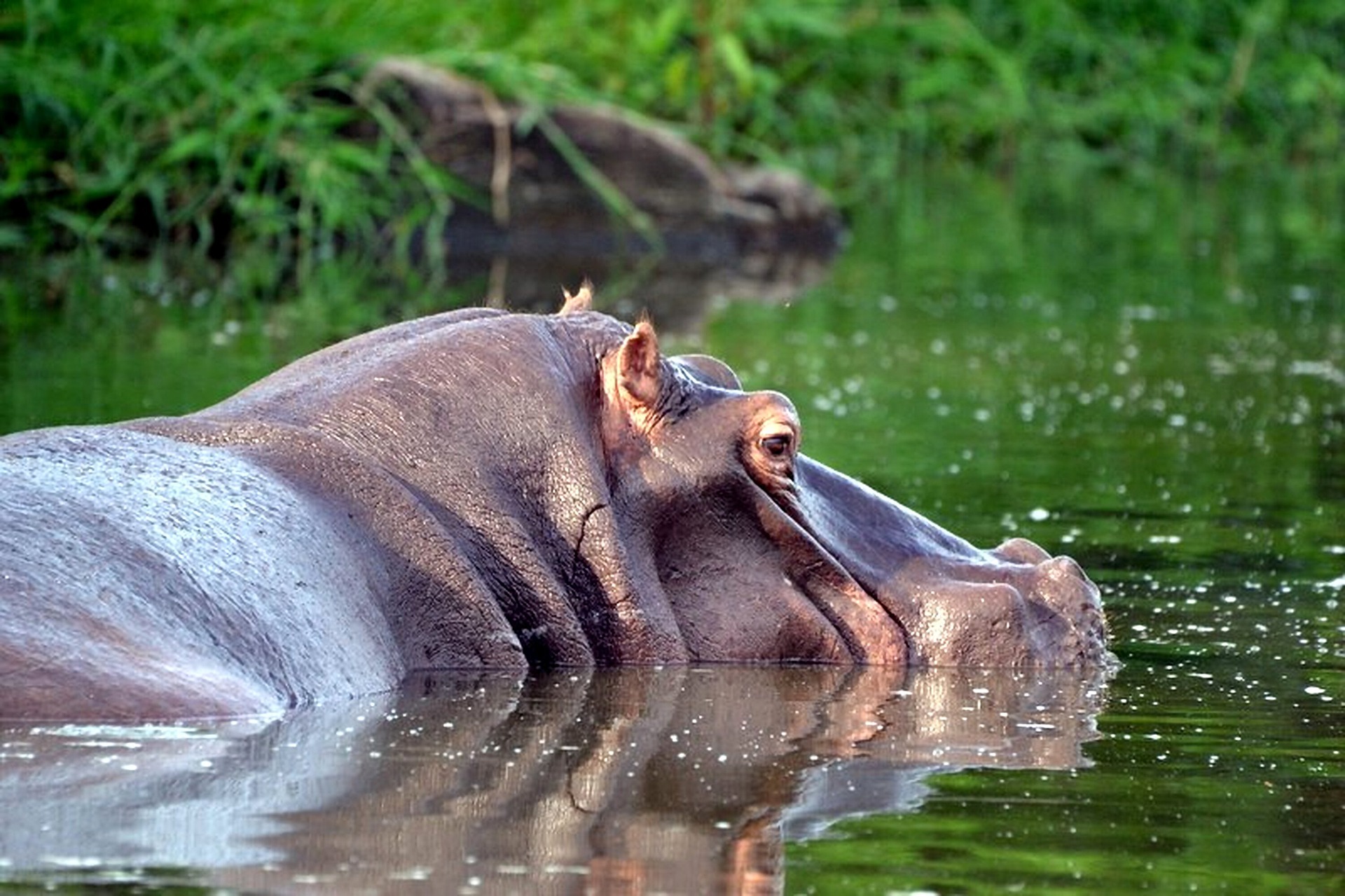
| Hippos | Year-round | Chobe River; hundreds present |
| Crocodiles | Year-round | Basking on riverbanks daily |
| Giraffes, Zebras, Antelopes | Year-round | Common throughout |
| Birdlife (over 450 species) | November-April (peak migrants) | African fish eagles, carmine bee-eaters, storks, herons |
Fun fact: Chobe’s elephant population has grown so successfully that it’s now one of the largest on the continent—a true conservation success story [citation:4].
Where to Stay: Accommodation Options for Every Budget
Budget & Self-Catering (Campsites & Basic Lodges)
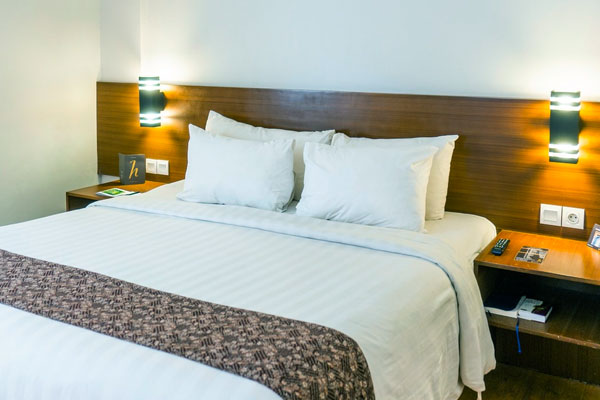
- Chobe Safari Lodge (Kasane): Mid-range option with river views, pool, restaurant. Rooms and campsites available. Great location near park entrance.
- Thebe River Safaris (Kasane): Affordable chalets and campsites on the riverbank. Good for budget travelers who still want water views.
- Public campsites inside park (Ihaha, Linyanti, Savuti): Basic facilities, need booking through Botswana Wildlife Department. Perfect for self-drive adventurers.
Mid-Range Comfort
- Chobe Game Lodge: The only permanent lodge inside the national park (riverfront). Five-star service, eco-friendly, incredible location [citation:4].
- Mowana Safari Lodge (Kasane): Upscale lodge with baobab trees, spa, excellent reviews. Popular with tour groups.
- Cresta Mowana Safari Lodge: Reliable mid-range option with good food and pool.
Luxury & Exclusive
- Sanctuary Chobe Chilwero: Luxury lodge overlooking the floodplains. 15 rooms with private decks, spa, stunning views.
- Zarafa Camp (Linyanti): Ultra-luxurious tented camp in private reserve. Exceptional guiding, wild dog sightings, total exclusivity.
- Savuti Safari Lodge: Intimate luxury camp in Savuti region. Perfect for predator enthusiasts.
Tip: For peak season (July–October), book at least 6-9 months in advance. For budget campsites, book even earlier—they fill fast!
Day Trip from Victoria Falls vs. Overnight Stay: Which is Right for You?
Day Trip Option
Pros: Affordable, convenient, no luggage hassle, experience Chobe’s highlights in one day
Cons: Rushed (wake up early, return late), no night drives, limited to riverfront area
Best for: Travelers short on time, those wanting a taste of Chobe, budget-conscious visitors
Typical cost: $150–250 per person (includes transport, border assistance, boat cruise, game drive, lunch)
Overnight Stay (1-3 nights)
Pros: More activities (night drives, walking), unhurried pace, experience sunrise/sunset in the park, better wildlife chances
Cons: More expensive, requires packing, need to book accommodation in advance
Best for: Safari enthusiasts, photographers, those who want deeper immersion
Typical cost: $300–800+ per night depending on lodge
Our take: If you’ve never been on safari, a day trip gives you an incredible taste. If you’re already staying in Victoria Falls for several days, consider 2 nights in Chobe—it’s a completely different experience to wake up in the wilderness.
Practical Tips for Your 2026 Chobe Safari
Visas & Borders
- Botswana visa: Many nationalities (including US, UK, EU, Canada, Australia) get 90 days visa-free. Check current requirements for your country.
- Border crossings: Kazungula Border (between Zimbabwe/Zambia and Botswana) is busy but efficient. Tour operators handle paperwork for day trips.
- KAZA Univisa: If you’re visiting Zambia/Zimbabwe as well, ask about the KAZA Univisa—it allows multiple entries and saves money [citation:4].
What to Pack
- Neutral-colored clothing (khaki, beige, olive) for game drives
- Warm layers (May–August mornings can be cold!)
- Sun protection: Hat, sunglasses, high-SPF sunscreen
- Insect repellent (malaria risk exists year-round—consult doctor about prophylaxis)
- Binoculars (essential for wildlife viewing)
- Camera with zoom lens (200mm+ recommended)
- Reusable water bottle
- Swimsuit (for lodge pools)
- Adapter: Botswana uses South African-style plugs (three round pins)
Money Matters
- Currency: Botswana Pula (BWP). US dollars are widely accepted for tours and activities [citation:7].
- Park fees: Approximately 300 BWP per person/day (about $22) plus vehicle fees [citation:7]. Often included in tour packages.
- Tipping: Customary for guides (10-15% of tour cost or $5-10 per person/day).
- ATMs: Available in Kasane but not always reliable. Bring some Pula cash or USD.
Health & Safety
- Malaria: Present year-round. Consult doctor about prophylaxis, use repellent, sleep under nets if provided.
- Yellow fever vaccination: Required if arriving from endemic countries. Not required for direct entry from Europe/US.
- Water: Drink bottled or filtered water only.
- Wildlife rules: Never exit your vehicle during game drives, keep distance from animals, follow guide instructions.
Sample Itineraries: How to Fit Chobe Into Your Trip
Option 1: Victoria Falls + Chobe Day Trip (5 Days)
- Day 1-3: Victoria Falls (explore falls, activities, sunset cruise)
- Day 4: Full-day Chobe safari (early pickup, boat cruise + game drive, return evening)
- Day 5: Relax or depart
Option 2: Victoria Falls + 2-Night Chobe Stay (7 Days)
- Day 1-3: Victoria Falls
- Day 4: Transfer to Chobe, afternoon boat cruise, overnight in Chobe lodge
- Day 5: Morning game drive, afternoon relaxation or optional activity, overnight
- Day 6: Morning activity, return to Victoria Falls or onward travel
- Day 7: Depart
Option 3: Complete Botswana Circuit (10-14 Days)
- Days 1-3: Chobe National Park
- Days 4-6: Okavango Delta (fly to Maun, then into delta)
- Days 7-9: Moremi Game Reserve
- Days 10-11: Victoria Falls (Zimbabwe/Zambia)
- Day 12: Depart
Chobe vs. Other Botswana Destinations: Quick Comparison
| Destination | Best For | When to Go | Access |
|---|---|---|---|
| Chobe NP | Elephants, river safaris, day trips from Vic Falls | Year-round (dry season peak) | Easy (road/air) |
| Okavango Delta | Water-based safaris, mokoro (canoe) trips, luxury camps | May-October (flood waters arrive) | Light aircraft only (expensive) |
| Moremi GR | Predators, diverse habitats, classic safari | May-October | 4×4 or light aircraft |
| Makgadikgadi Pans | Vast salt pans, meerkats, surreal landscapes | May-October (dry) | 4×4 required |
Verdict: If you can only visit one place in Botswana, make it Chobe. If you have more time, add the Okavango Delta for the complete Botswana experience.
Common Questions About Chobe National Park (FAQ)
Is Chobe National Park safe?
Absolutely. Safaris are conducted by professional guides with years of experience. Wildlife is wild, so rules exist for your safety—follow your guide’s instructions and you’ll be perfectly safe.
Can I visit Chobe on my own without a tour?
Yes—self-drive is possible if you have a 4×4 vehicle and book campsites in advance. However, for most visitors, joining a tour is easier and often better value (they know where to find animals and handle logistics).
What’s the difference between Chobe day trip and overnight safari?
Day trips cover the riverfront area with boat cruise and game drive. Overnight stays allow more activities (night drives, walking), more time in the park, and access to remoter areas.
Do I need malaria pills for Chobe?
Malaria is present year-round. Consult your doctor about prophylaxis. Regardless, use insect repellent, wear long sleeves at dusk, and sleep under nets if provided.
Can I see leopards in Chobe?
Yes, though they’re elusive. The riverfront woodlands have leopard populations—your guide’s tracking skills make the difference. Early morning drives offer best chances.
When is the best time for birdwatching?
November to April (green season) brings migratory birds. Over 450 species have been recorded—carmine bee-eaters, African fish eagles, storks, herons, and more [citation:3].
Is Chobe expensive?
Day trips from Victoria Falls are affordable ($150-250). Overnight stays range from budget campsites ($30-50/night) to ultra-luxury lodges ($1000+/night). There’s something for every budget.
Final Thoughts: Why Chobe Belongs on Your 2026 Safari List
There are many places in Africa to see elephants. But there’s only one Chobe.
Nowhere else on the continent will you witness hundreds of elephants emerging from the river at sunset, their trunks raised like snorkels, babies squealing as they learn to swim. Nowhere else combines land and water safaris so seamlessly, offering two completely different perspectives on the same incredible wildlife.
Add Chobe’s proximity to Victoria Falls, its year-round accessibility, and genuine value for money, and you have one of Africa’s most compelling safari destinations—perfect for first-timers and seasoned travelers alike.
For 2026, make Chobe part of your Southern Africa story. Whether you visit on a day trip from Victoria Falls or spend several nights in a riverside lodge, those elephant herds will stay with you forever.
Planning Resources
- Complete Victoria Falls Travel Guide (2026) – Combine Chobe with the falls!
- Botswana Safari Packing List (2026) (coming soon)
- Okavango Delta vs. Chobe: Which Botswana Safari is Right for You? (future article idea)
Have questions about planning your Chobe safari? Drop them in the comments below—we’d love to help!