Okavango Delta Botswana: The Last Eden – 2026 Guide
Quick answer: The Okavango Delta is not just a safari destination, it is a return to wildness itself. A million-year-old river that refuses to meet the sea, a labyrinth of crystal channels where elephants swim and leopards hunt beneath ancient trees. In a world of noise, it is a sanctuary of silence—and it is calling you home in 2026.
Imagine drifting silently through channels of liquid glass, the only sounds the splash of a lechwe’s hooves and the call of an African fish eagle overhead. A gentle push of a pole guides your mokoro (traditional canoe) through papyrus-lined waterways that seem to lead nowhere and everywhere at once. This is the Okavango Delta Botswana—a 17,000-square-kilometer jewel in the heart of the Kalahari Basin, and one of the last true wildernesses on Earth.
For 2026, the question isn’t whether you can afford to visit this paradise. The question is: can you afford not to? In a world spinning faster every day, the Okavango Delta Botswana offers something increasingly rare: a place to breathe, to reconnect, and to remember what truly matters.
Already dreaming of this journey? Our guides to Chobe National Park and South Luangwa await, but the Okavango Delta Botswana is something else entirely.
Okavango Delta Botswana: Why the World’s Finest Wilderness Beckons in 2026
The Okavango Delta Botswana is not a place you simply visit. It is a place you feel. Recognized as one of the Seven Natural Wonders of Africa and a UNESCO World Heritage Site, this is the world’s largest inland delta—a 17,000-square-kilometer oasis where the Okavango River meets the sands of the Kalahari Desert, creating a labyrinth of lagoons, channels, and islands that teems with life.
But beyond the accolades, beyond the statistics, the Okavango Delta Botswana is a sanctuary. In a world where news cycles bombard us with turmoil and our days blur into screens and schedules, this wilderness offers a radical antidote: silence, slowness, and the profound peace of being small in a vast, wild landscape.
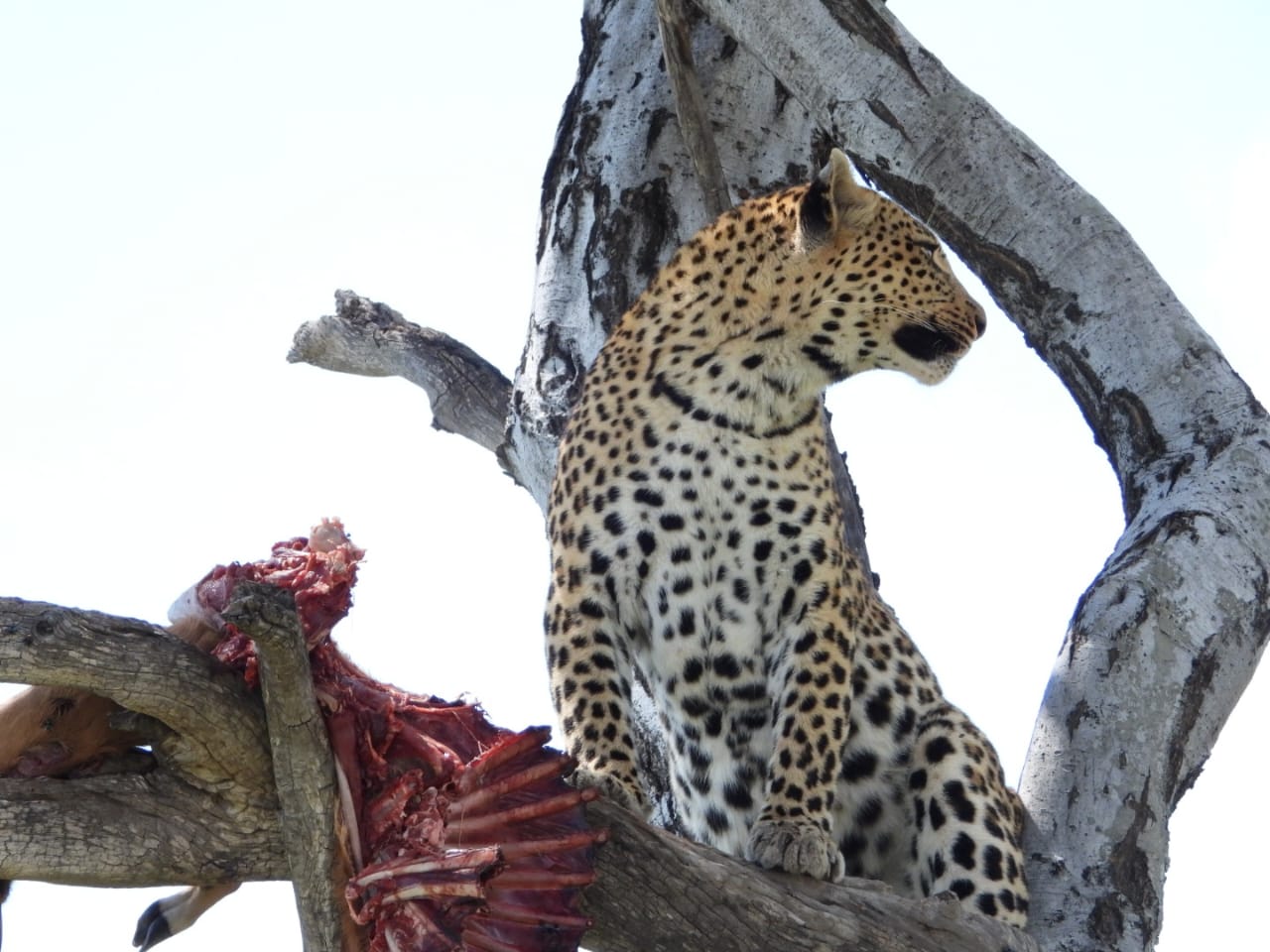
Here, the currency is not dollars but moments: the moment a herd of elephants emerges from the treeline to drink at sunset; the moment a leopard—perhaps spotted by a guide like Jakes (Jacob Mbeha), whose eyes seem to see through the bush itself—pauses in the branches above, a kill draped across the limb; the moment the Milky Way spills across a sky unpolluted by light, and you remember the universe is bigger than your worries.
This is why you come to the Okavango Delta Botswana. Not to escape the world, but to find yourself in it again.
A Waterworld in the Desert: Understanding the Okavango Delta’s Magic
What makes the Okavango Delta Botswana unlike any other safari destination is its elemental duality: water and desert, abundance and aridity, in constant, life-giving tension.
Each year, floodwaters travel 1,300 kilometers from the highlands of Angola, arriving in Botswana’s dry season (June-August) to transform the parched landscape into a lush, green paradise. This annual miracle creates a unique ecosystem where aquatic and terrestrial life intertwine in spectacular fashion.
This is not a safari where you stay in one place and drive in circles. The Okavango Delta Botswana is a world of islands—some large enough for luxury camps, others barely a palm tree and a patch of grass—connected by a watery maze. Your experience is shaped by the season, the water levels, and the guides who know this land like their own heartbeat.
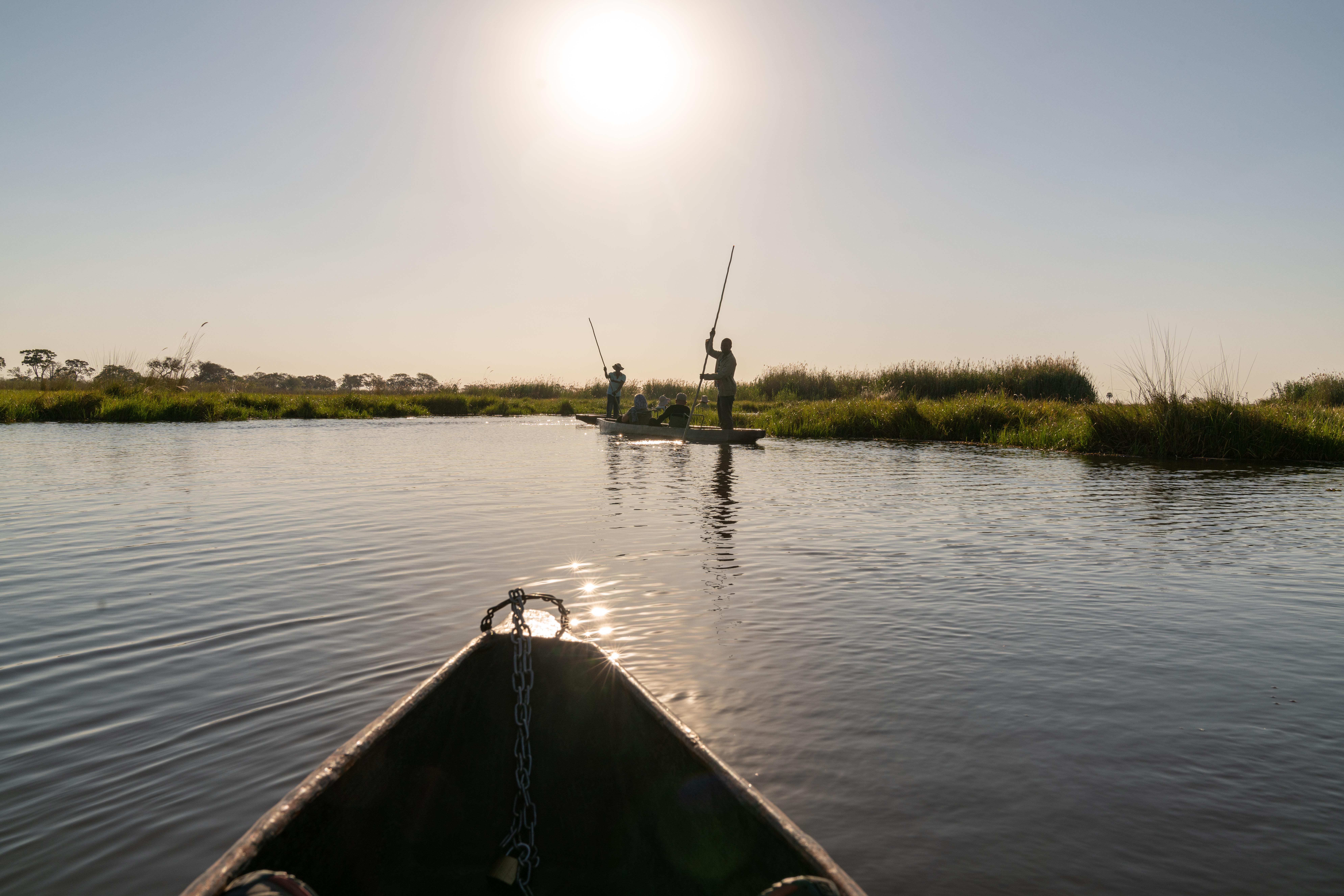
For those who have only experienced savannah safaris in vehicles, the Okavango Delta Botswana offers a profound shift. Here, you move through the wild on its terms: by mokoro (traditional canoe), gliding past hippos and lilies; by boat through deeper channels where elephants swim; and on foot, following the tracks of lion and wild dog with guides who read the bush like a book.
Best Time to Visit Okavango Delta Botswana in 2026: The Rhythm of the Flood
Timing your visit to the Okavango Delta Botswana is about aligning with the flood, not the calendar. The Delta’s heartbeat is unique.
High Water Season (June–October): The Classic Okavango Experience
This is when the Okavango Delta Botswana is at its most iconic. Floodwaters from Angola arrive, spreading across the landscape. Water levels are high, allowing access to remote channels and lagoons by boat and mokoro. Wildlife congregates on islands, making for exceptional game viewing. Mornings are cool and crisp; days are warm and dry. This is the peak season for good reason: the Okavango Delta Botswana is at its most spectacular, lush, and vibrant.
Why visit now: Water-based safaris at their finest. The Delta is navigable throughout. Wildlife viewing is concentrated and extraordinary. Cool weather makes for comfortable exploring.
Green Season (November–March): The Secret Season of Okavango Delta Botswana
As the floodwaters recede and summer rains arrive, the Okavango Delta Botswana transforms again. The landscape becomes impossibly green. Migratory birds arrive in spectacular numbers. This is calving season for many antelope, and predators are active. The skies produce dramatic storms and sunsets. Camps are quieter, rates are lower, and there is a sense of having the wilderness almost to yourself.
Why visit now: Lush landscapes, exceptional birding (including carmine bee-eaters and African skimmers), dramatic skies, fewer travelers, and a more intimate experience.
The Sweet Spot (April–May & October–November)
For the discerning traveler, these shoulder months offer the best of both worlds. April-May sees the floodwaters arriving while the landscape is still green from rains. October-November offers high water with the drama of the dry season build-up—animals congregating, predators active, and the anticipation of the first rains.
The Wildlife of Okavango Delta Botswana: A Symphony of Life
The Okavango Delta Botswana is not about ticking off the Big Five, though they are all present. It is about the sheer abundance and diversity of life, seen in unique contexts.
Elephants of the Delta: Swimming Giants
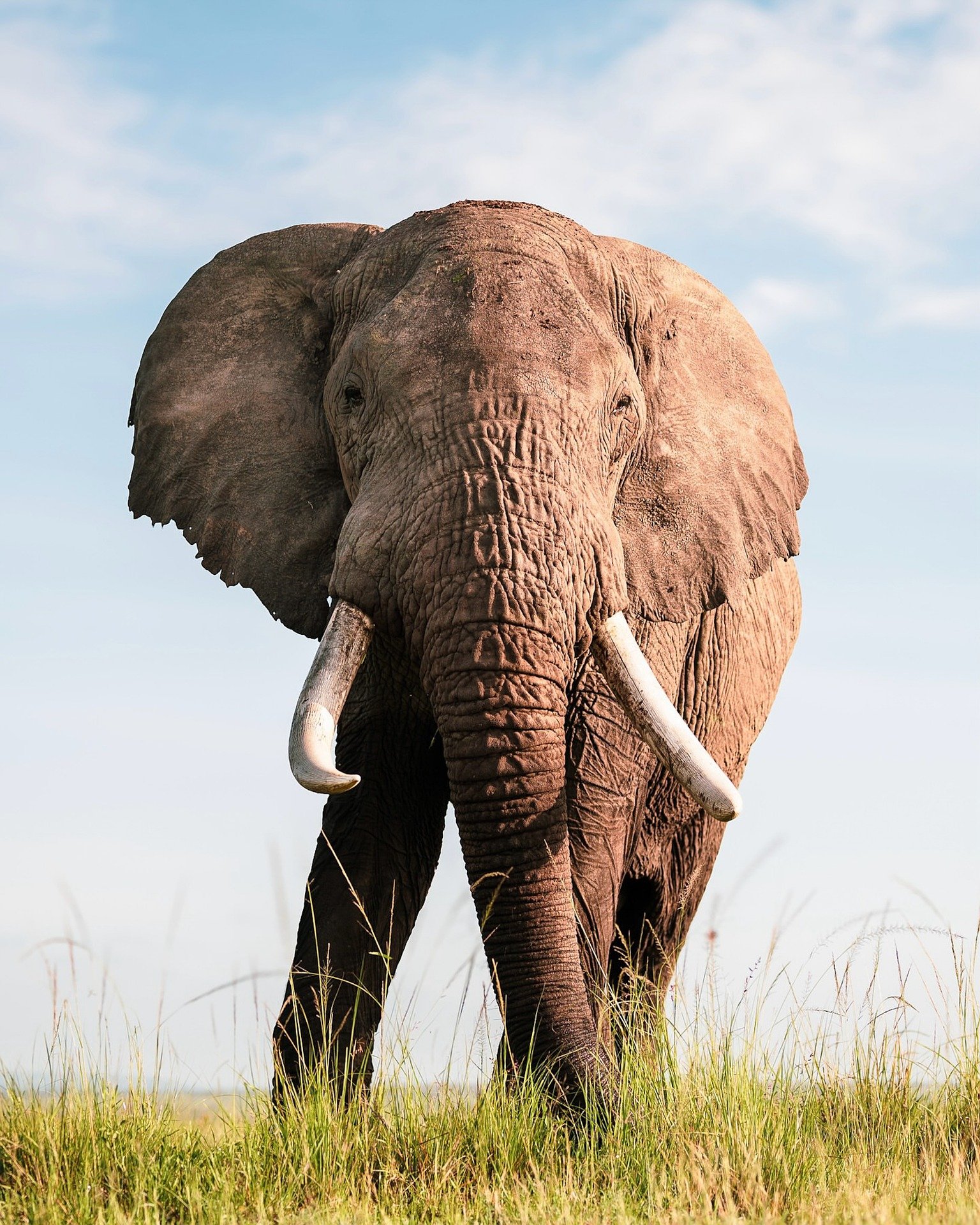
Botswana is home to the largest elephant population in Africa, and the Okavango Delta Botswana is where you see them at their most extraordinary. Here, elephants swim. They cross deep channels with only their trunks above water, families traveling together in lines. To witness a herd of elephants emerge dripping from a channel, their grey skin glistening in the golden light, is to see these magnificent creatures in a way impossible anywhere else.
Predators on the Edge: Leopards, Lions, and Wild Dogs
The Okavango Delta Botswana boasts some of Africa’s most remarkable predator sightings. Lions have adapted to the watery environment, sometimes hunting in the shallows. Leopards are abundant, their spotted coats perfect camouflage in the dappled light of riverine forests. It is not uncommon to see a leopard draped over a tree limb, a recent kill secured from scavengers—a sight that speaks to the raw, unapologetic beauty of the wild.
Jakes (Jacob Mbeha), a professional guide whose expertise has been honed over decades in the bush, once described finding a leopard in the Okavango Delta Botswana as “reading a story written in tracks, broken grass, and the silence of birds.” Guides like Jakes don’t just show you wildlife; they translate the language of the wilderness, revealing the hidden dramas unfolding around you.
African wild dogs (painted wolves), among the continent’s most endangered predators, find refuge here. Seeing a pack move through the floodplains, their cooperation and energy palpable, is a privilege that stays with you forever.
The Plains Game: Red Lechwe, Sitatunga, and More
The Okavango Delta Botswana is home to antelope found nowhere else in such numbers. The red lechwe, with their elegant, curved horns, bound through shallow water. The elusive sitatunga, a semi-aquatic antelope, inhabits the papyrus swamps, rarely seen but always present. Zebra, impala, and buffalo gather on the islands, their movements dictating the rhythms of predators.
Birdlife: A Paradise for Birders
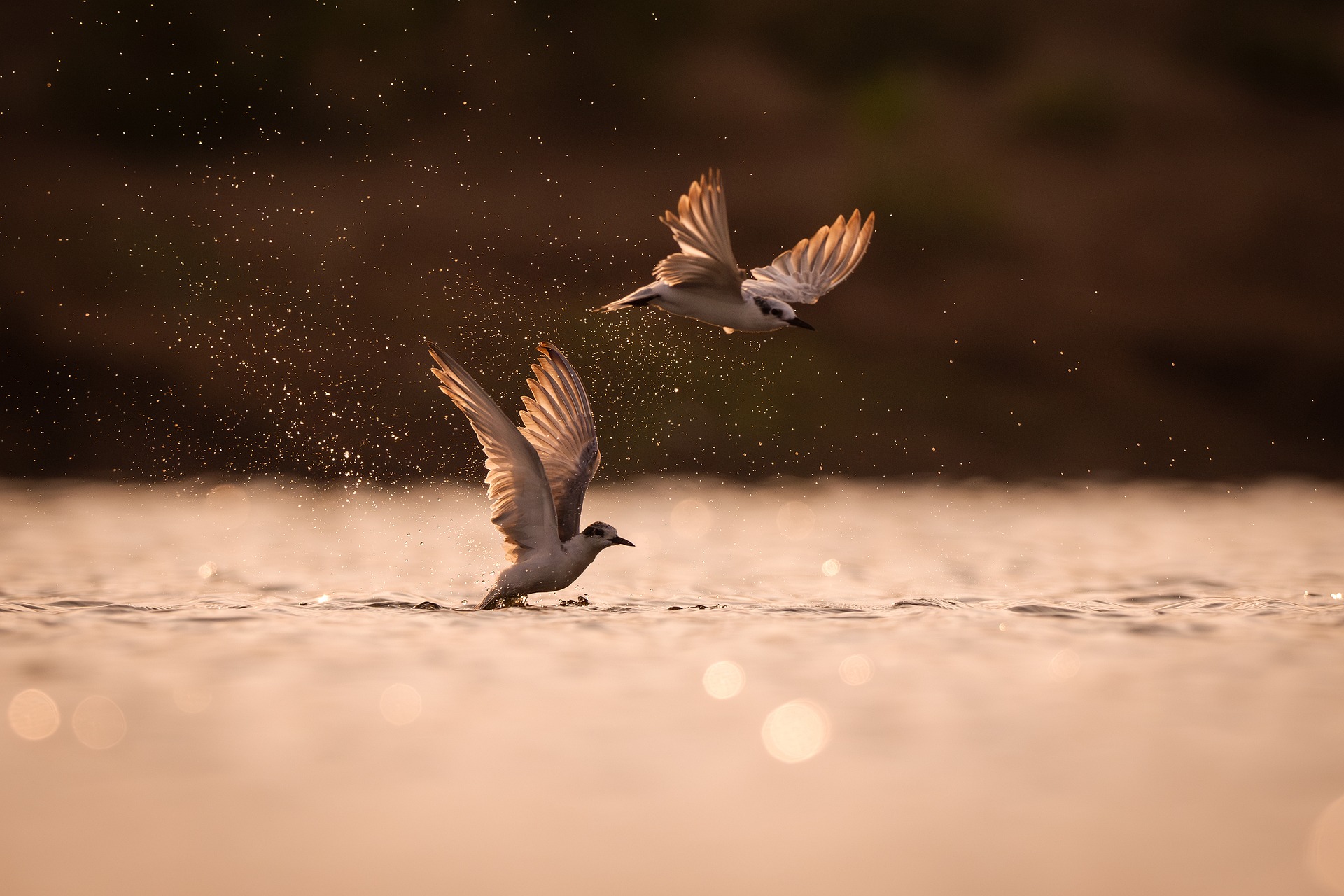
With over 400 species recorded, the Okavango Delta Botswana is one of Africa’s premier birding destinations. The African fish eagle, its haunting call echoing across the lagoons, is the Delta’s signature. Pelicans, storks, herons, and the dazzling carmine bee-eaters (which nest in riverbanks during the dry season) add splashes of color to the green and gold landscape.
How to Experience Okavango Delta Botswana: Mokoro, Boat, and Walking Safaris
Mokoro Safari: The Soul of Okavango Delta Botswana
The mokoro is not just transportation; it is the soul of the Okavango Delta Botswana experience. Poled silently through narrow channels by a skilled guide, you drift inches above the water, eye-level with lilies, frogs, and the occasional crocodile. This is a safari for the senses: the scent of water lilies, the touch of papyrus fronds, the sound of your own heartbeat in the profound silence. Mokoro trips are often half-day excursions, but some camps offer the chance to sleep on a remote island, arriving by mokoro, for the ultimate immersion.
Boat Safaris: Covering the Channels
For exploring deeper, wider channels, motorboats allow you to cover more ground. These are perfect for sunrise and sunset excursions, when the light is golden and wildlife congregates on the water’s edge. Here, you’ll see elephants swimming, hippos surfacing, and the Okavango Delta Botswana‘s birdlife at its most active.
Walking Safaris: The Intimate Wild
To truly understand the Okavango Delta Botswana, you must walk it. Guided by professionals like Jakes (Jacob Mbeha), walking safaris take you into the heart of the bush. You’ll learn to track, to read the stories written in the sand, to identify medicinal plants, and to feel the wild beneath your feet. This is not about getting close to dangerous game; it’s about understanding the delicate balance of the ecosystem. Guides like Jakes, with their deep knowledge and respect for the land, make these experiences unforgettable.
Game Drives: Exploring the Islands
When water levels drop, game drives on the larger islands reveal the Okavango Delta Botswana‘s savannah side. Lion prides, leopard sightings, and the full spectrum of plains game are encountered in landscapes that shift from open grasslands to dense riverine forests.
Where the Wild Heart Beats: Camps of Okavango Delta Botswana
Accommodation in the Okavango Delta Botswana is not merely a place to sleep; it is an integral part of the experience. Camps are small, intimate, and designed to blend into the landscape. They are often accessible only by light aircraft, reinforcing the sense of isolation and exclusivity.
Most camps offer all-inclusive packages that cover accommodation, meals, drinks, and two safari activities per day. The guiding is exceptional, with guides like Jakes (Jacob Mbeha) elevating the experience from a simple safari to a profound wilderness journey.
Camps are located in different parts of the Delta, each with its own character. Some are set on islands, surrounded by water channels, offering unparalleled mokoro access. Others are in private concessions, where vehicle limits are strict and off-road driving is permitted, ensuring intimate wildlife encounters. The common thread is a commitment to conservation, low-impact tourism, and an unwavering dedication to the wilderness.
Why Okavango Delta Botswana Matters Now: A Sanctuary for the Soul
In 2026, the world continues to spin at a dizzying pace. The Okavango Delta Botswana stands as a counterpoint—a place where time slows, where the only urgency is the setting sun, where silence is not an absence but a presence. This is not escapism. It is reconnection. Reconnection to the natural world, to the rhythms of life, and to yourself.
There is a reason why those who visit the Okavango Delta Botswana speak of it with a kind of reverence. It is not simply the wildlife, though the wildlife is spectacular. It is not just the beauty, though the beauty is overwhelming. It is the feeling of being in a place that remains as it has been for millennia, a place where humans are visitors, not masters.
In a world that often feels fragmented, the Okavango Delta Botswana is whole. It is a reminder of what we protect when we choose to travel with intention, to support conservation, and to seek out the wild places that sustain our spirit.
Practical Inspiration: Making Your Okavango Delta Botswana Dream Real in 2026
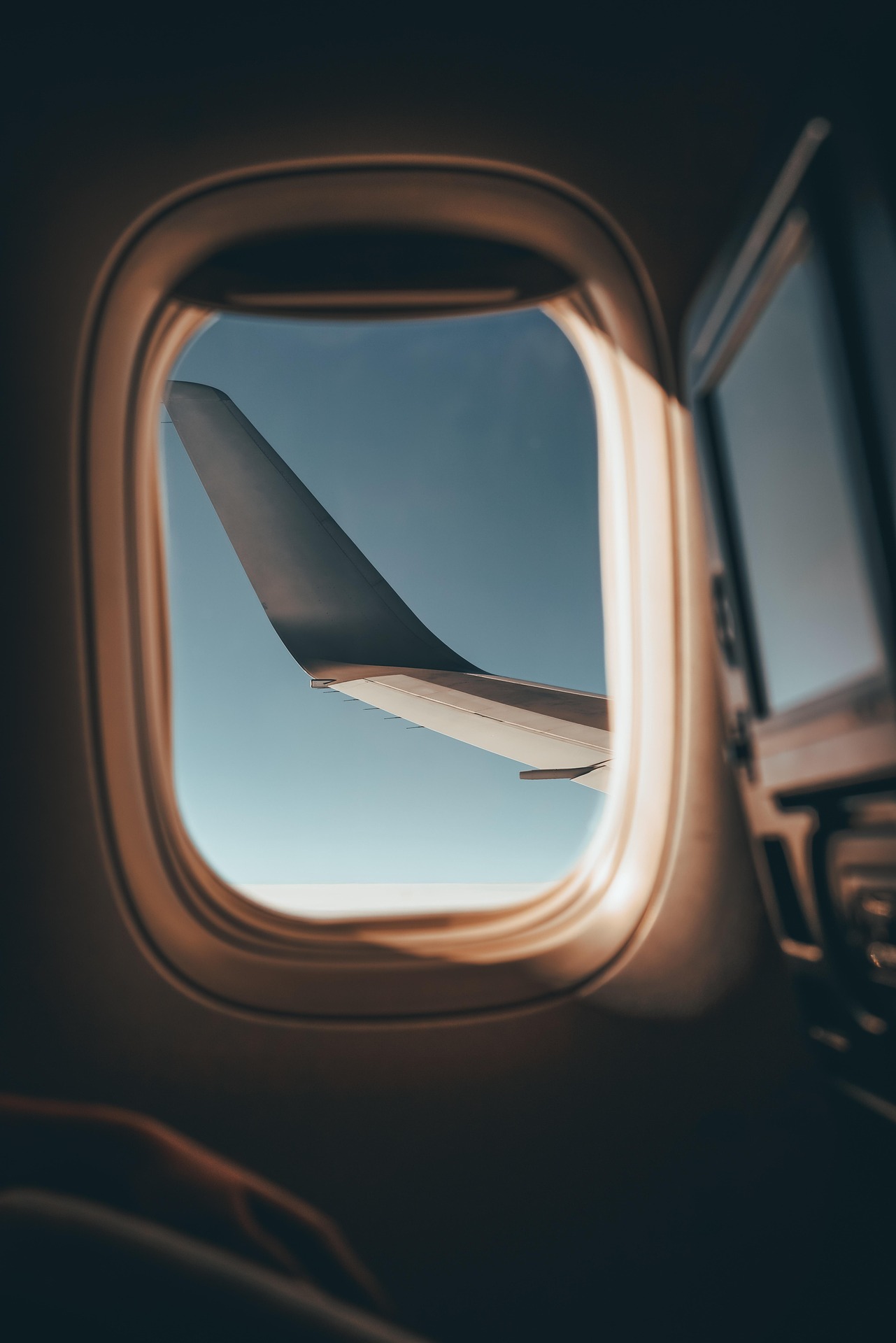
The Okavango Delta Botswana is remote, but it is accessible. Most visitors fly into Maun (MUB), Botswana’s gateway, on light aircraft from Johannesburg, Cape Town, or Kasane (near Chobe). From Maun, small charter planes carry you to the airstrip of your camp—a flight that offers your first breathtaking view of the Delta’s watery maze.
Visas are not required for most nationalities (including US, UK, EU, Canada, Australia) for stays up to 90 days. The Botswana Pula (BWP) is the local currency, but US dollars are widely accepted at camps and lodges.
What to bring? Neutral-colored clothing, a wide-brimmed hat, sturdy walking shoes, binoculars (essential), and a good camera. But also bring an open heart, a willingness to slow down, and the understanding that here, the best experiences are often unplanned.
📌 For seamless travel planning, consider:
🔍 Search flights to Maun (MUB) or Kasane (BBK) for your Okavango adventure
📱 Stay connected with a Botswana eSIM from Yesim
Final Thoughts: Okavango Delta Botswana Awaits Your Footsteps
There are places in this world that change you. The Okavango Delta Botswana is one of them. It is not a place you visit and forget; it is a place that settles into your bones, that calls you back in your quiet moments, that reminds you of the wild heart that beats within us all.
For 2026, when the world needs more reasons for hope, for wonder, for stillness, the Okavango Delta Botswana waits. It waits for you to sit on a mokoro and watch elephants swim. It waits for you to walk with a guide like Jakes (Jacob Mbeha), whose eyes have followed leopards through these floodplains for decades. It waits for you to feel the sun on your skin, to hear the lion’s roar carry across the water, to taste the dust of the Delta on your lips and know you are alive.
This is why you go. Not to escape the world, but to find the part of it—and of yourself—that remains wild.
Make 2026 the year you answer the call of the last Eden. The Okavango Delta Botswana is ready to welcome you home.
Planning Resources for Your Okavango Delta Botswana Journey
- Chobe National Park Travel Guide (2026) – Combine the elephant capital with the Delta.
- South Luangwa National Park Guide (2026) – Zambia’s walking safari paradise.
- Serengeti vs Masai Mara Guide (2026) – For East Africa’s great migration.
- Zanzibar Travel Guide (2026) – The perfect beach finish after the Delta.
Have questions about planning your Okavango Delta Botswana safari? Drop them in the comments below—and let us know what speaks to your soul about this wild place.