Swakopmund & Skeleton Coast, Namibia: Where Desert Meets Ocean – 2026 Guide
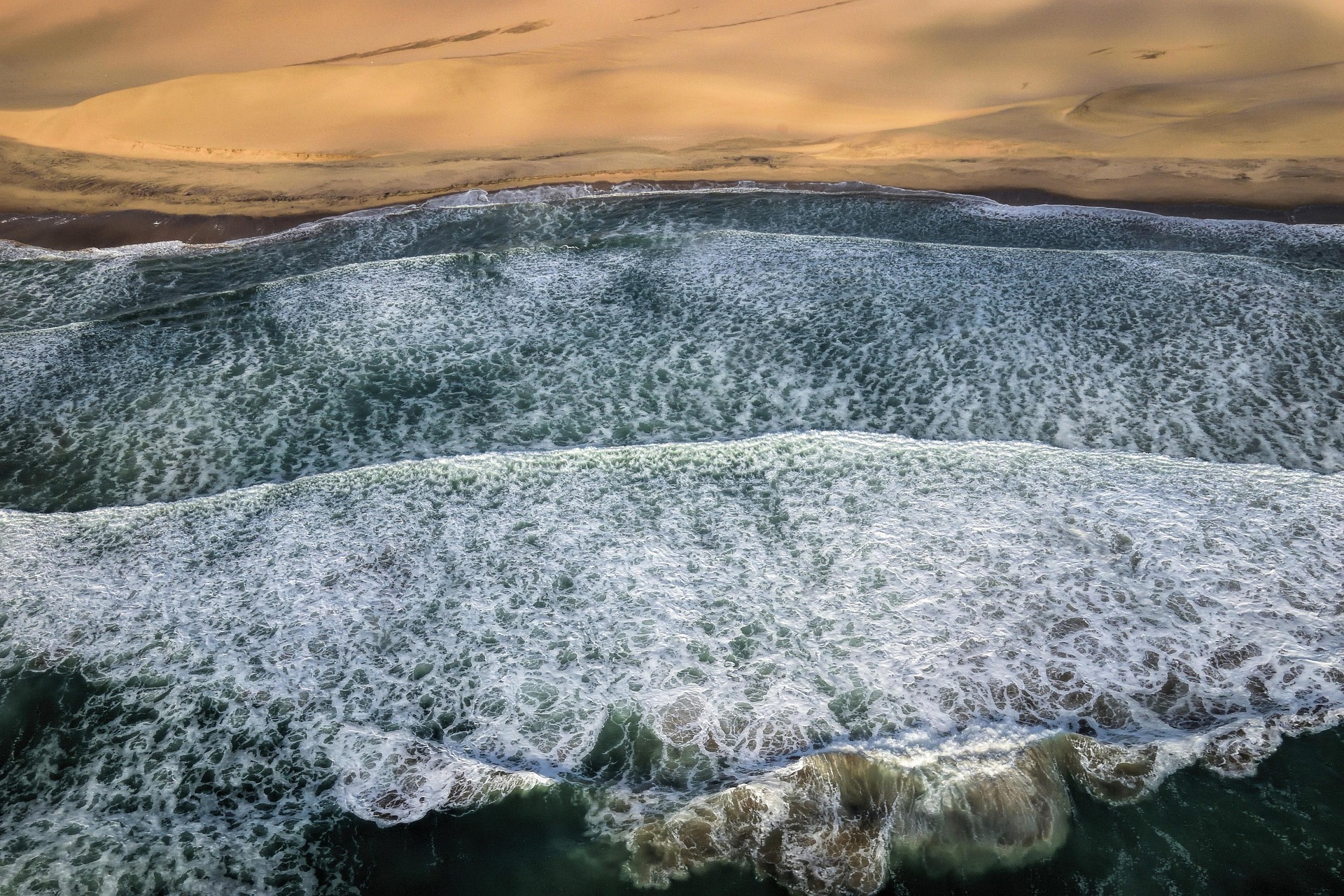
Quick answer: Swakopmund is Namibia’s adventure capital, a quirky coastal town where German colonial architecture meets the edge of the Namib Desert. Just north lies the Skeleton Coast, a graveyard of shipwrecks and fog-shrouded dunes where the oldest desert on Earth collides with the Atlantic Ocean. This is Namibia’s most surreal landscape, and it’s waiting for you in 2026.
One moment you’re walking through a town that feels like a Bavarian village transplanted into Africa, palm-lined streets, half-timbered houses, and cafes serving strudel. Twenty minutes later, you’re standing on a dune that plunges straight into the Atlantic, watching waves crash against sand that has been shifting for 55 million years. This is Swakopmund and the Skeleton Coast. There is nowhere else on Earth quite like it.
For 2026, if you’re already planning to visit Sossusvlei’s towering dunes, Swakopmund is the perfect complement; a place to rest, to adventure, and to witness the haunting beauty of Namibia’s coastline.
Already exploring Southern Africa? This coastal gem pairs beautifully with Botswana’s wilderness or serves as a perfect finale to a desert safari.
Why Swakopmund and the Skeleton Coast Belong on Your 2026 Itinerary
Namibia is a land of extremes, and nowhere is that more evident than on its central coast. Here, the vast, ancient Namib Desert, the oldest desert on Earth, collides with the cold Benguela Current of the South Atlantic. The result is a landscape unlike any other: dunes that crash into the sea, fog that sustains life in one of the driest places on the planet, and a coastline littered with the skeletons of ships that dared to venture too close.
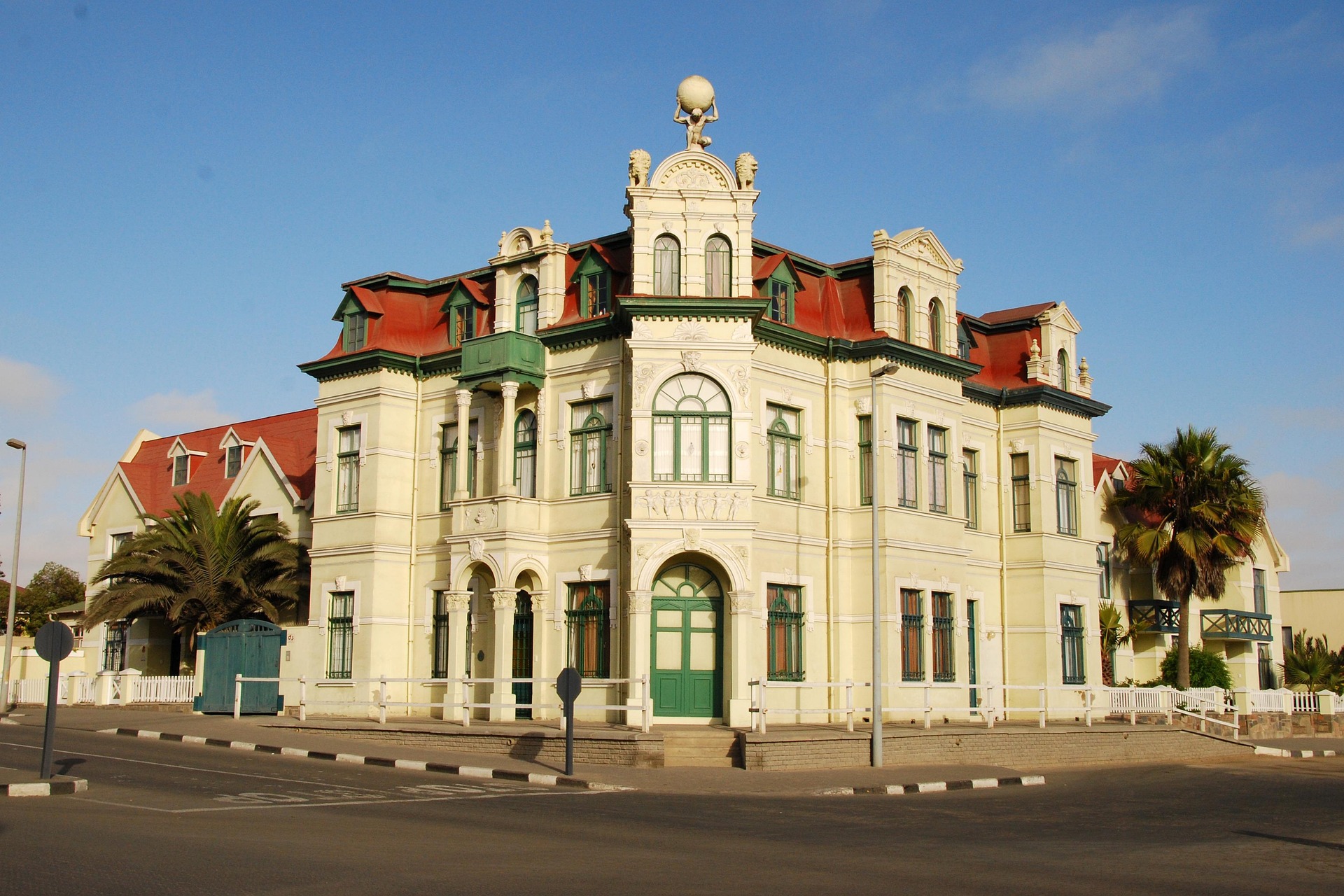
Swakopmund: A Slice of Germany on the Edge of Africa
Founded in 1892 during German colonial rule, Swakopmund retains a distinctly European character. Painted in soft pastels and adorned with turrets and verandas, its architecture is a charming anachronism. But step beyond the town’s borders, and you’re in the desert. This duality is what makes Swakopmund so special: you can enjoy fine dining and craft beer, then drive 20 minutes to sandboard down a dune or quad bike across the Namib.
In 2026, Swakopmund remains Namibia’s adventure capital, a hub for activities ranging from skydiving over the desert to kayaking with seals at Walvis Bay. It’s also the gateway to the Skeleton Coast, a protected wilderness that stretches north to Angola, where only the most intrepid travelers venture.
The Skeleton Coast: Where Ships Go to Die
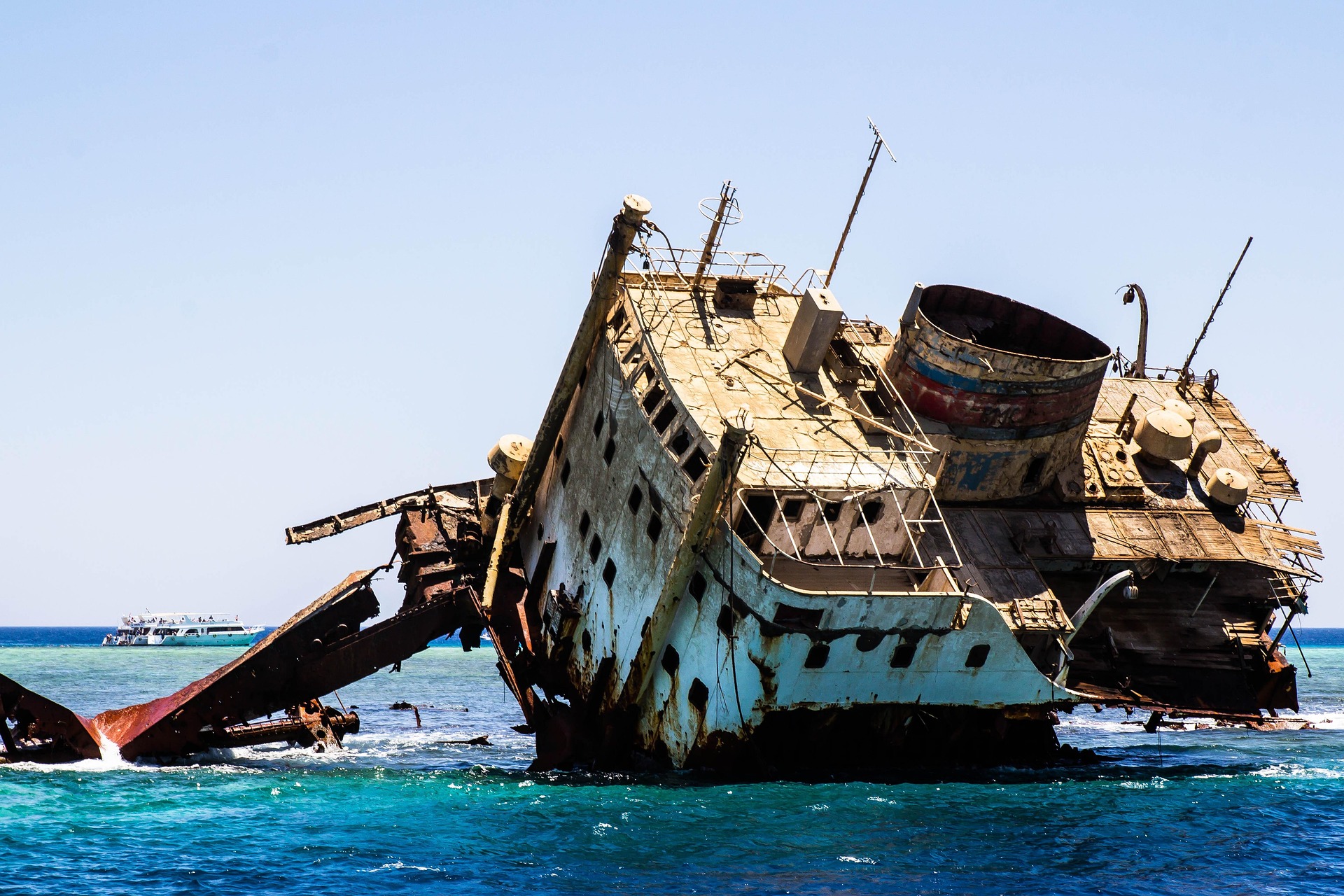
Portuguese sailors called it the “Gates of Hell.” The San people called it “the land God made in anger.” Today, we know it as the Skeleton Coast, a 500-kilometer stretch of coastline named for the whale bones and shipwrecks that once littered its shores. The cold Benguela Current, thick coastal fog, and treacherous sandbanks have claimed hundreds of vessels over the centuries. Today, the rusting hulks of ships like the Eduard Bohlen and the Dunedin Star lie half-buried in the sand, haunting reminders of the coast’s unforgiving nature.
But the Skeleton Coast is not just a graveyard. It is also one of Africa’s most extraordinary wilderness areas, a place where desert-adapted elephants roam, where seal colonies number in the hundreds of thousands, and where the fog sustains a surprising array of life. Visiting requires permits and often a fly-in safari, but for those who make the journey, it is an experience that defies description.
Best Time to Visit Swakopmund and the Skeleton Coast in 2026
Unlike the interior, Namibia’s coast is moderated by the cold Atlantic. Swakopmund enjoys a mild, temperate climate year-round, though fog is common, especially in the early morning and can linger for days.
Peak Season (December–January & July–August)
December to January is Namibia’s summer, and Swakopmund is usually filled with domestic and international tourists escaping the interior’s heat. It’s warm (20-25°C / 68-77°F) but can be foggy. July to August is winter; days are mild, nights are cool, and skies are often clearer. These are the busiest months, so book accommodation well in advance.
Shoulder Season (February–April & September–October)
These months offer a sweet spot: fewer crowds, pleasant weather, and good availability. February to April is warm and often sunny; September to October is mild with clearer skies, ideal for Skeleton Coast fly-in safaris.
Green Season (May–June & November)
May to June brings cooler weather and occasional drizzle, locals call it “little rain.” November is warm but can be windy. These are excellent months for photography, with dramatic skies and low visitor numbers.
How to Get to Swakopmund and the Skeleton Coast
By Air: Most international visitors fly into Hosea Kutako International Airport (WDH) near Windhoek. From there, it’s a 4-hour drive to Swakopmund on good paved roads. Alternatively, you can fly into Walvis Bay Airport (WVB), which is 30 minutes from Swakopmund and receives domestic flights from Windhoek, Cape Town, and Johannesburg.
Self-Drive: Namibia is one of Africa’s best self-drive destinations. The roads from Windhoek to Swakopmund are paved and well-maintained. A standard sedan is sufficient for the coast, though a 4×4 is required for venturing into the Skeleton Coast or other remote areas.
Guided Tours: For the Skeleton Coast, guided tours are essential. Fly-in safaris depart from Swakopmund or Windhoek, taking you into the park’s restricted areas. Day trips to the southern Skeleton Coast (including the shipwreck of the Eduard Bohlen) are possible with a 4×4 and permit.
Search flights to Walvis Bay (WVB) or Windhoek (WDH)
What to Do in Swakopmund: Adventure Meets Colonial Charm
Sandboard or Quad Bike the Dunes
The dunes surrounding Swakopmund are a playground for adventure seekers. Sandboarding either standing or lying on a board, down dunes that rise 100 meters is exhilarating. Quad biking across the desert offers a different kind of thrill, with guided tours taking you deep into the Namib’s moonscape. Both activities are available year-round, though early morning or late afternoon offers the best light and cooler temperatures.
Stroll Through Swakopmund’s Historic Center
The town’s German heritage is on full display. Admire the Lutheran Church, the Woermannhaus (now a gallery), and the Swakopmund Museum. The Mole, a sea wall built in the early 1900s, is a pleasant walk. Stop at a cafe for a slice of Apfelstrudel or a Namibian craft beer, a small taste of Europe on the edge of Africa.
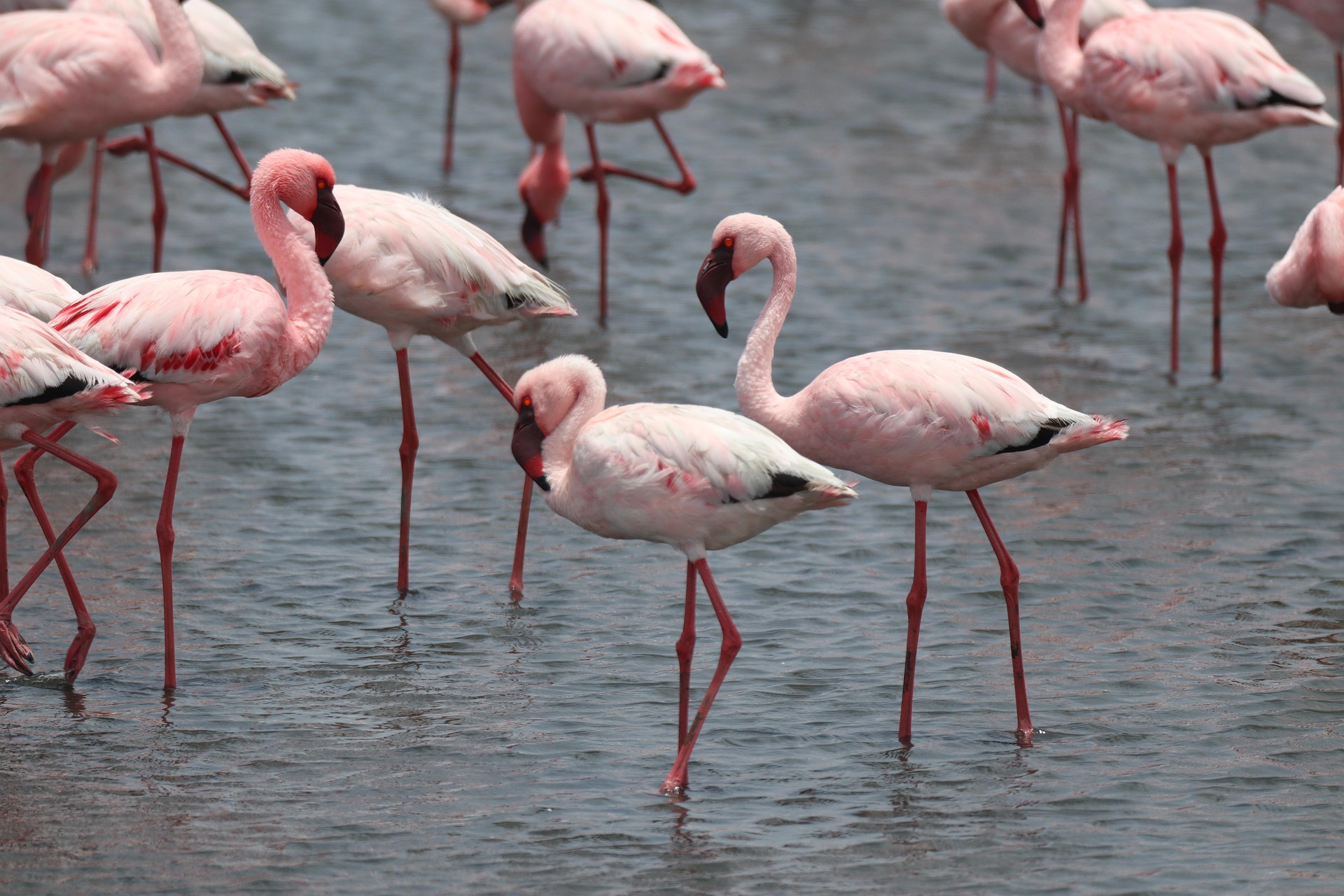
Visit Walvis Bay: Flamingos, Kayaking, and the Lagoon
A 30-minute drive south, Walvis Bay is famous for its lagoon, a Ramsar wetland site that attracts thousands of flamingos. Kayaking with Cape fur seals at Pelican Point is a magical experience; the seals are curious and will swim alongside you. For a longer adventure, catamaran cruises offer champagne and oysters while you spot dolphins, seals, and sometimes whales.
Skydive Over the Desert and Ocean
For the ultimate adrenaline rush, skydive over the Namib Desert with the Atlantic as your backdrop. Tandem jumps are available, and the views from 10,000 feet are unforgettable.
Take a Scenic Flight Over the Skeleton Coast
For those who don’t have time to venture into the Skeleton Coast National Park, a scenic flight from Swakopmund offers a taste. You’ll see the shifting sand dunes meeting the Atlantic, seal colonies, and the iconic shipwreck of the Eduard Bohlen. Flights typically last 1-2 hours and are a photographer’s dream.
Venturing into the Skeleton Coast: For the Intrepid
The Skeleton Coast National Park is one of Africa’s last true wildernesses. Access is restricted, and visitors must be self-sufficient or travel with a licensed operator. The northern section, the Skeleton Coast Park, requires a permit and is best explored by fly-in safari. The southern section, known as the National West Coast Recreation Area, is more accessible but still remote.
What You’ll See
- Shipwrecks: The rusting remains of the Eduard Bohlen, the Dunedin Star, and others lie half-buried in the sand, their skeletons a haunting testament to the coast’s treacherous nature.
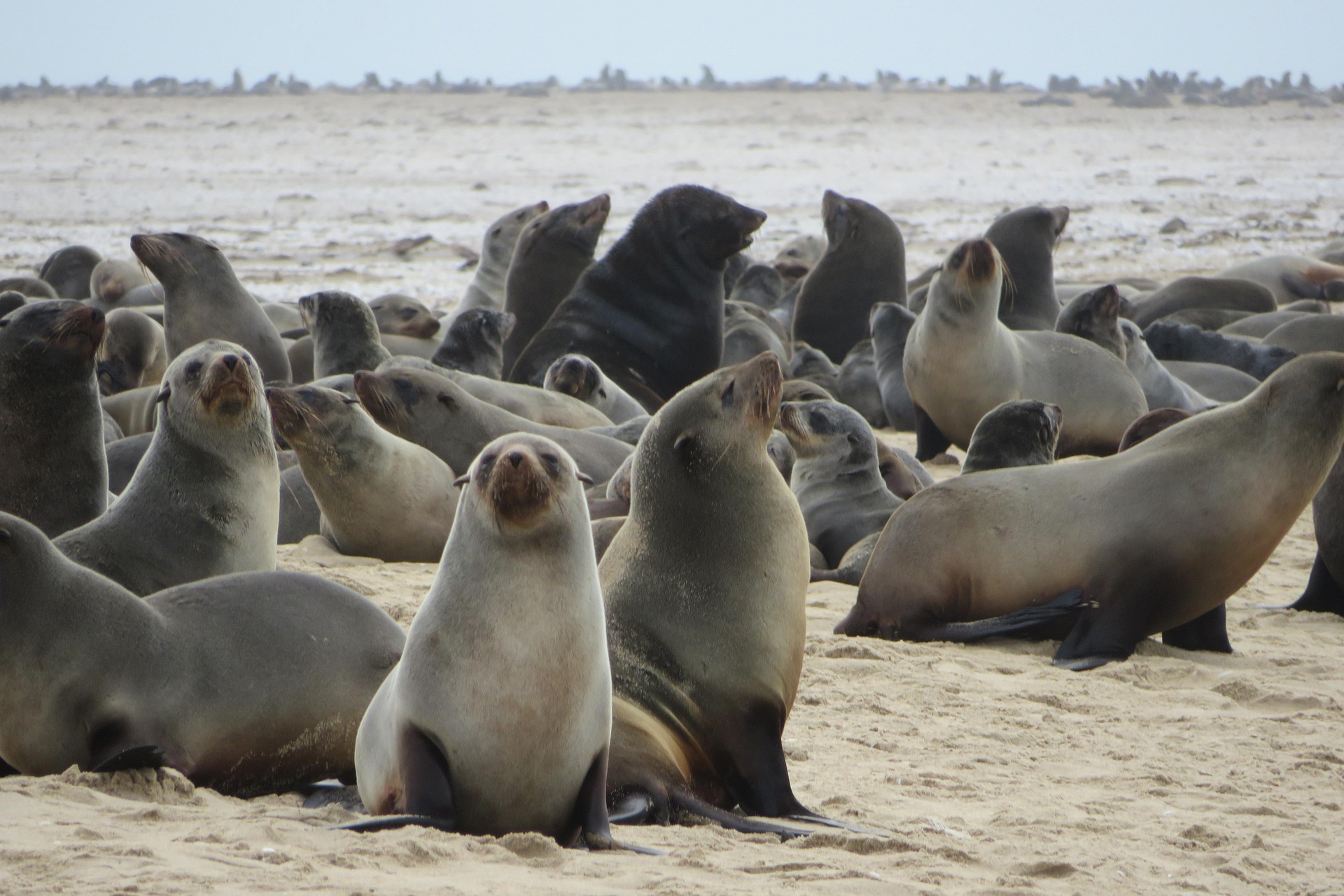
- Seal Colonies: Cape Cross, south of the park, is home to one of the largest Cape fur seal colonies in the world, numbering over 200,000. The noise, the smell, and the sheer mass of animals is overwhelming.
- Desert-Adapted Wildlife: In the northern park, you’ll find desert-adapted elephants, lions, giraffes, and black rhino, animals that have evolved to survive in one of the driest environments on Earth.
- The Clay Castles of the Hoanib River: Eerie, castle-like formations carved by the Hoanib River, rising from the desert floor.
How to Visit
Fly-in Safaris: The most common way to experience the northern Skeleton Coast. Light aircraft fly from Swakopmund or Windhoek to remote camps, where you’ll spend days exploring with expert guides. This is expensive but offers the only feasible access to the park’s remote interior.
Self-Drive (Southern Section): A 4×4 with high clearance and a permit allows you to explore the southern section. The roads are rough, and you must carry all supplies. This is for experienced self-drivers only.
Day Trips: Guided day trips from Swakopmund can take you to Cape Cross and the Eduard Bohlen wreck, offering a taste of the Skeleton Coast without the overnight commitment.
Where to Stay: From Quaint Guesthouses to Desert Camps
Swakopmund offers accommodation for every traveler, from historic hotels and modern apartments to remote desert camps. Here are hand-picked options to suit your style and budget.
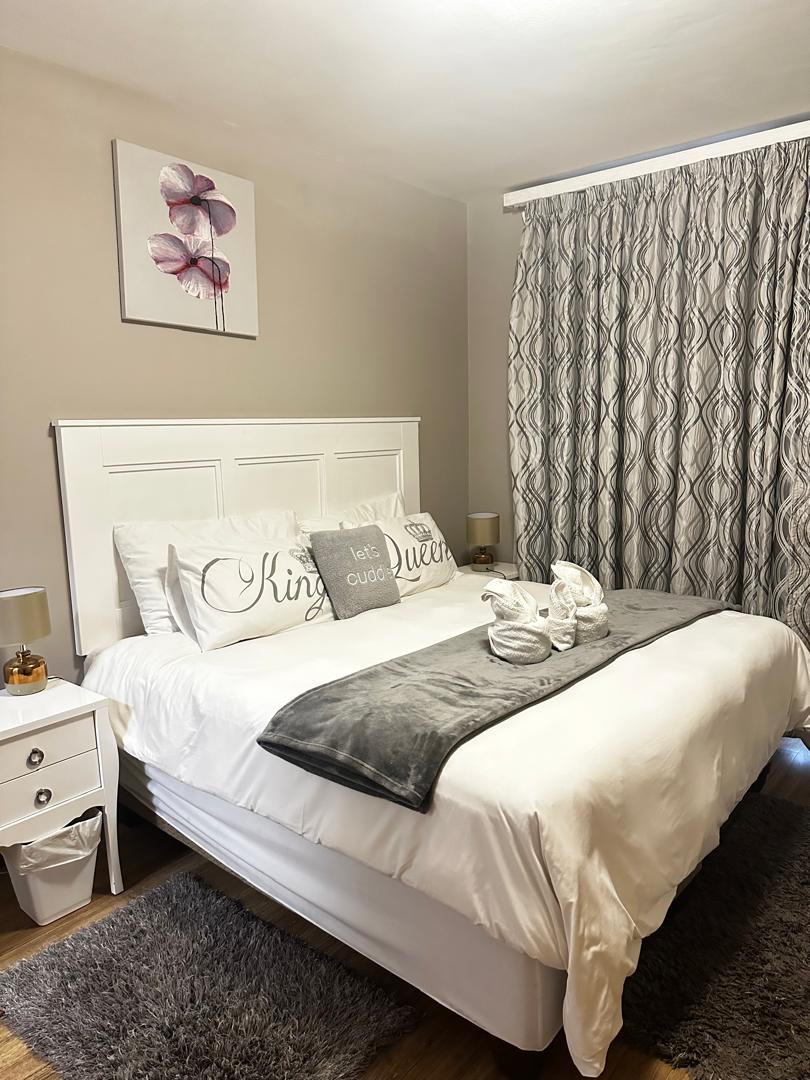
In Swakopmund CBD: Beach Hive Self Catering
Located in the heart of Swakopmund on the corner of Libertina Amadhila and Nathaniel Maxuilili Street, Beach Hive Self Catering offers the perfect base for exploring the town. This spacious 3-bedroom apartment comfortably sleeps six, making it ideal for families or groups of friends traveling together. The central location means you’re within walking distance of Swakopmund’s best restaurants, shops, and tourist attractions , and yes, KFC is right across the street for those familiar cravings.
What you’ll love: Free WiFi, Netflix and DStv for cozy evenings, secure parking, and a location that puts you steps from Swakopmund’s vibrant center. Whether you’re here for adventure or relaxation, you’ll appreciate coming back to a comfortable, well-appointed space after a day in the desert.
Rates: N$1,500 – N$3,000 per night (comfortably sleeps 6)
 Book Beach Hive CBD on Beach-Hive.com
By the Ocean: Beach Hive Langstrand
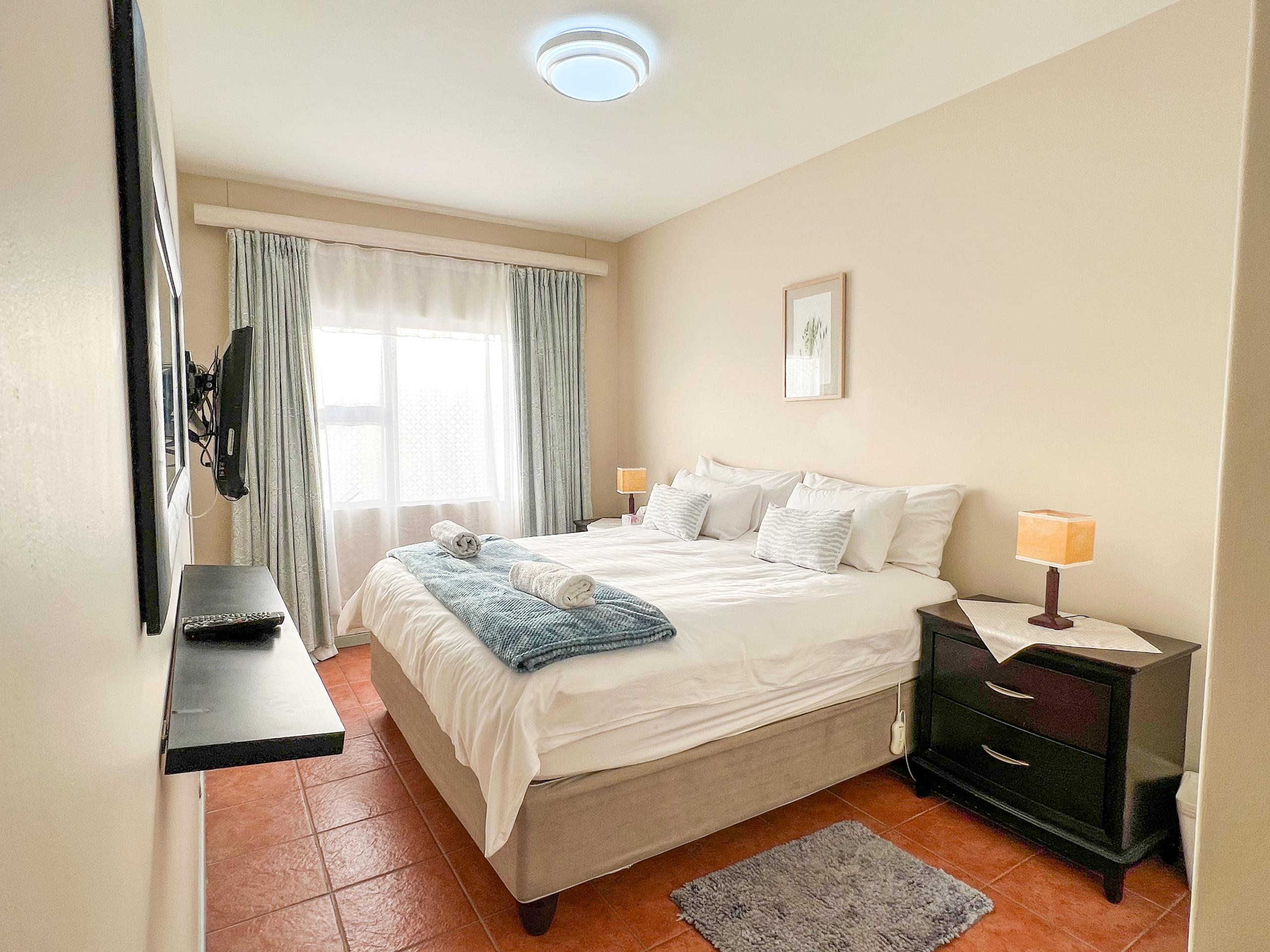
For those who dream of waking up to the sound of the Atlantic, Beach Hive Langstrand offers a 2-bedroom apartment just steps from the ocean. Located in the peaceful coastal suburb of Langstrand, this property puts you within walking distance of the dunes where quad biking and sandboarding adventures begin. It’s the perfect blend of coastal tranquility and desert adventure.
The apartment is thoughtfully appointed with everything you need for a self-catering stay: a full kitchen, comfortable living area, and outdoor space to enjoy the fresh ocean air. After a day of exploring the Skeleton Coast or sandboarding the dunes, settle in with Netflix and DStv as the sun sets over the Atlantic.
Rates: N$1,500 – N$2,700 per night (comfortably sleeps 4)
In Swakopmund: Colonial Charm and Coastal Comfort
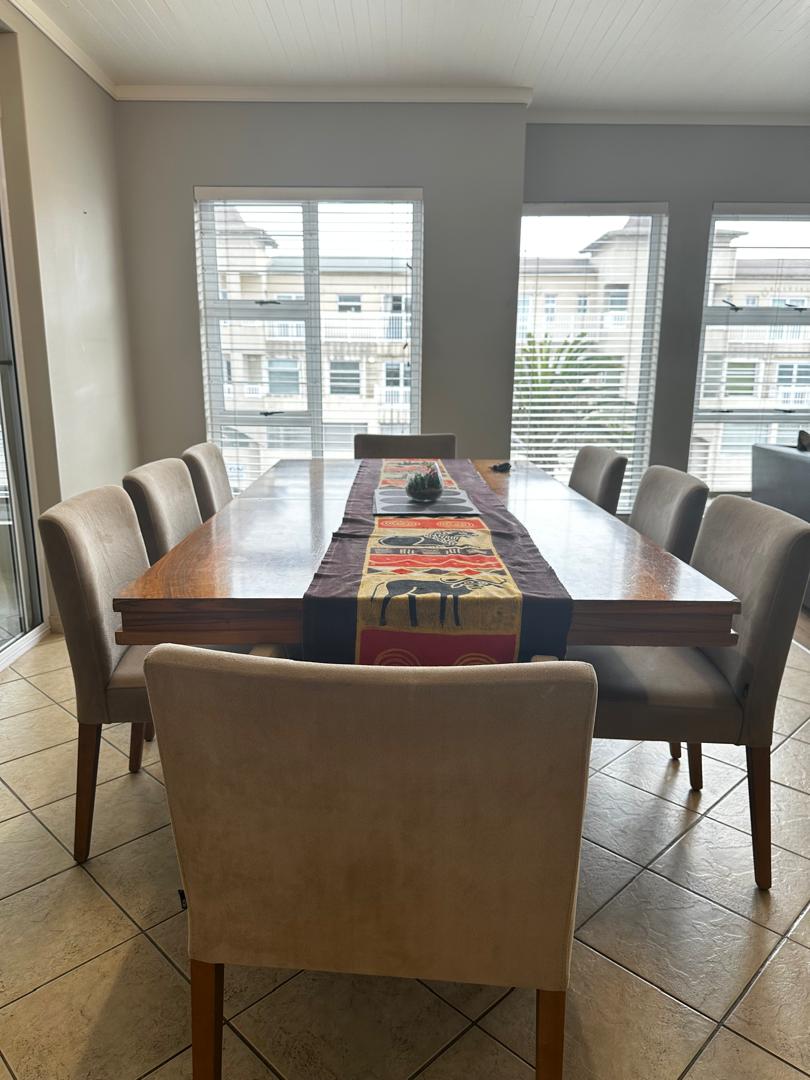
For those on a budget, numerous guesthouses and backpacker lodges offer comfortable stays but they might not be as comfortable as the options we present to you.
In Walvis Bay: Lagoon Views and Waterfront
The waterfront area offers modern hotels and self-catering apartments with lagoon views. It’s a good base for kayaking and catamaran trips.
On the Skeleton Coast: Remote Luxury
For those venturing north, a handful of exclusive lodges offer all-inclusive stays. Shipwreck Lodge, inside the Skeleton Coast National Park, offers surreal architecture designed to mimic the rusted wrecks along the shore. Camping is also possible with a permit and self-sufficiency.

Practical Tips for Your Coastal Namibia Adventure
Permits: For the Skeleton Coast National Park, permits are required and must be obtained in advance from the Ministry of Environment and Tourism in Windhoek or Swakopmund. Most tour operators handle this for you.
Fuel and Supplies: Swakopmund and Walvis Bay have full services. For trips north, fill up before leaving and carry extra fuel if self-driving.
What to Pack: Layers are essential. The coast can be cool and foggy even in summer. Bring a windbreaker, warm jacket, sturdy walking shoes, and sun protection. A camera with a zoom lens is essential for wildlife and shipwreck photography.
Health: Malaria is not present on the coast, but sun protection is critical. The sun is intense even on foggy days.
Connectivity: Mobile coverage is good in Swakopmund and Walvis Bay but fades quickly as you head north into the Skeleton Coast. For remote travel, satellite communication is recommended.
Stay connected with a Namibia eSIM
Why Swakopmund and the Skeleton Coast Matter in 2026
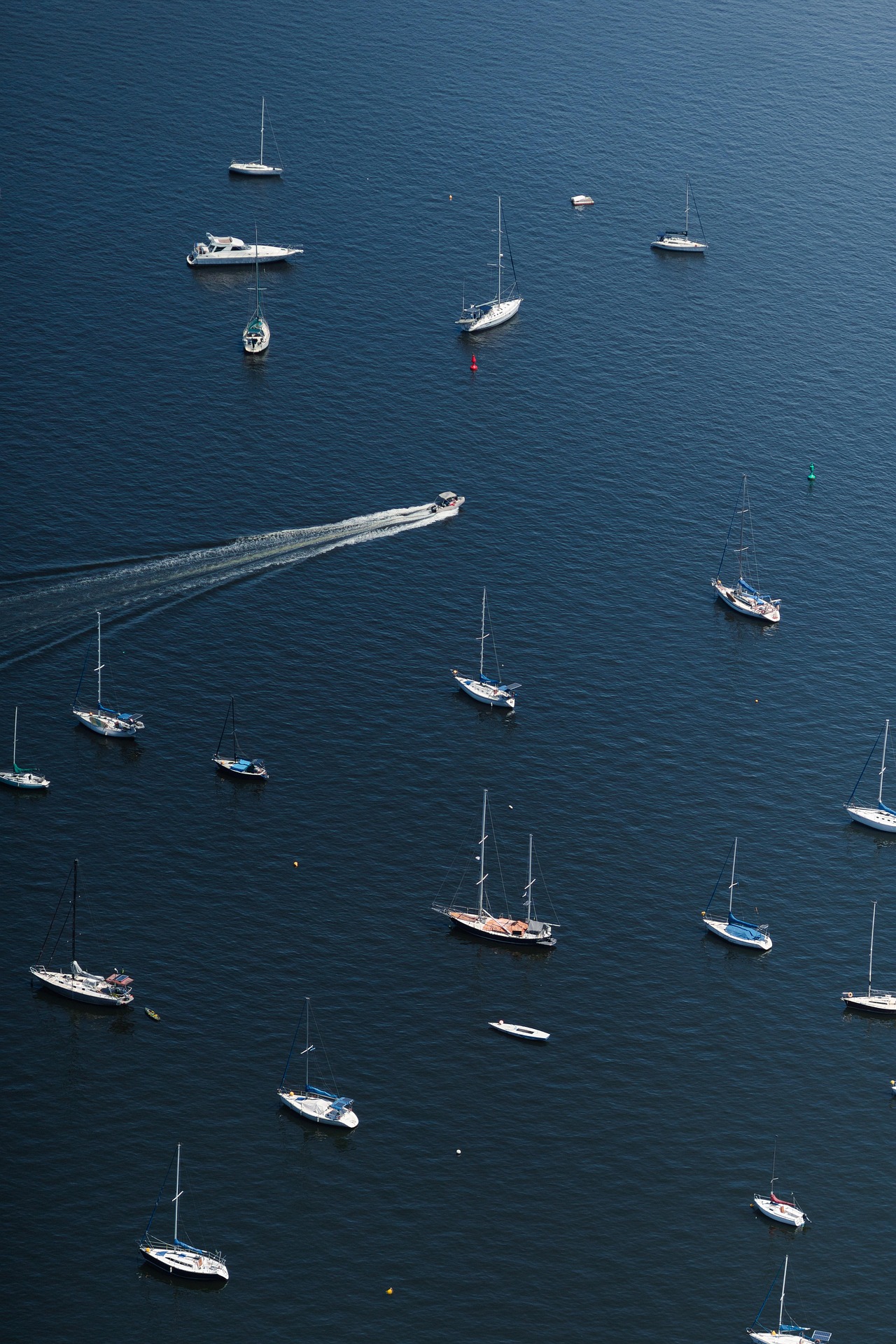
In a world where true wilderness becomes rarer each year, Namibia’s Skeleton Coast remains a place of awe and humility. It is a landscape that demands respect, where the desert meets the sea in a collision of ancient forces, and where the remnants of human ambition lie rusting in the sand.
For 2026, as travelers seek experiences that are both adventurous and meaningful, this coastline offers something profound: the chance to witness a place that has changed little in millennia. To stand at the edge of the oldest desert on Earth, to watch the fog roll in over shipwrecks, to hear the roar of seal colonies and the silence beyond, these are moments that stay with you.
And Swakopmund, with its charm, its cafes, and its warmth, offers the perfect base. It is the gateway to the surreal, the launchpad for adventure, and a place to rest before you venture back into the desert.
Final Thoughts: Where the Desert Meets the Sea
There is a moment, driving north from Swakopmund toward the Skeleton Coast, when the pavement ends and the sand begins. The road narrows to a track, the fog thickens, and the silence deepens. You pass the rusted hull of a ship, half-buried in the sand, and realize that you are in a place that does not bend to human will.
That is the gift of this coast. It reminds you that the world is still wild, that there are places where the forces of nature reign, and that we are fortunate to visit as guests.
For 2026, let Swakopmund be your base and the Skeleton Coast your adventure. Climb a dune that plunges into the ocean. Toast the sunset with Namibian oysters. Walk among shipwrecks and feel the ancient pulse of the desert.
Make 2026 the year you stand where desert meets ocean. Namibia’s coast is waiting.
Planning Resources for Your Namibia Journey
- Sossusvlei & Deadvlei Guide (2026) – Namibia’s iconic desert dunes.
- Central Kalahari Game Reserve Guide (2026) – Botswana’s untamed heart.
- Okavango Delta Travel Guide (2026) – Watery wilderness of Botswana.
- Chobe National Park Guide (2026) – Elephant capital of Africa.
Have questions about planning your coastal Namibia adventure? Drop them below — and if you’ve stood where desert meets ocean, share your story with us.