Zanzibar Travel Guide 2026: Best Beaches, Stone Town, & Island Hopping
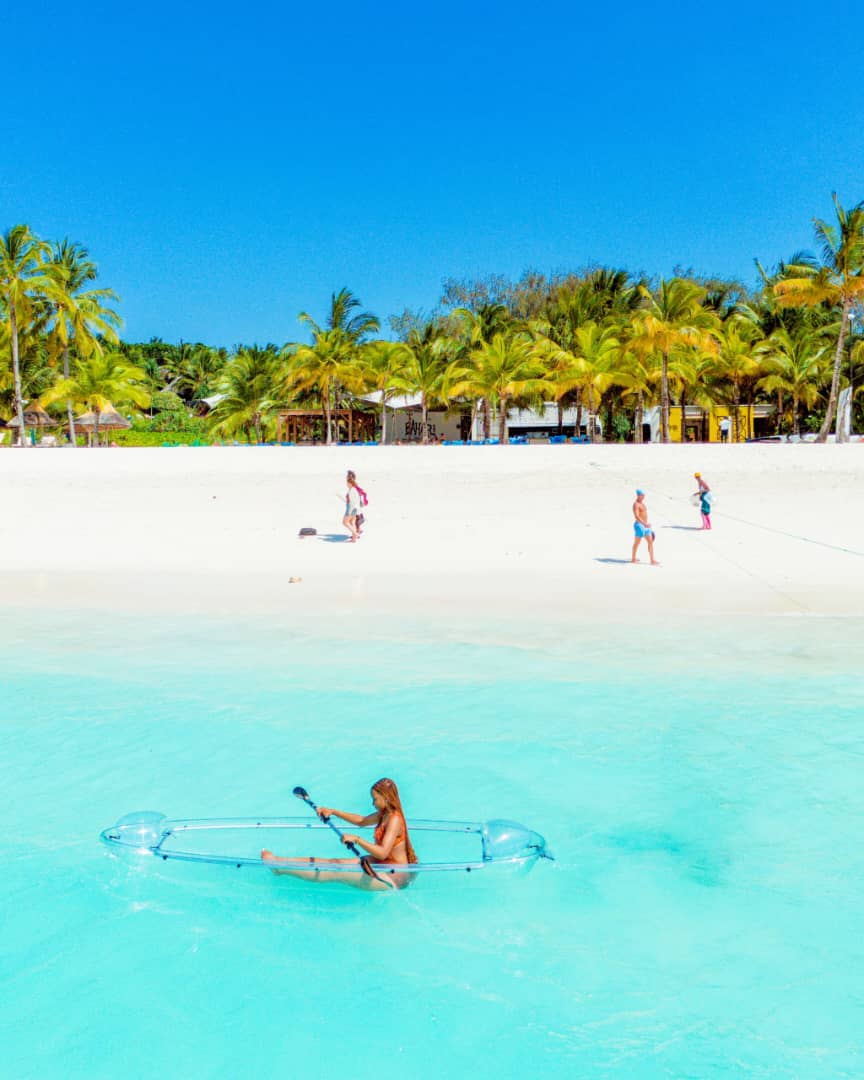
Quick answer: Zanzibar is the ultimate Indian Ocean paradise offering pristine white-sand beaches, the UNESCO-listed Stone Town, spice tours, and world-class snorkeling. It’s the perfect “beach and culture” addition to any Southern African safari itinerary.
Imagine turquoise waters lapping at powder-white sands, the scent of cloves and cinnamon drifting through ancient stone alleyways, and dhows with billowing white sails gliding across the horizon at sunset. This is Zanzibar, a semi-autonomous archipelago off the coast of Tanzania that feels like a world unto itself.
For travelers planning a 2026 East African adventure, Zanzibar offers the ideal blend of relaxation, culture, and adventure. And the best part? It’s remarkably easy to combine with a safari in Tanzania or, with a short flight, even with a trip to Chobe National Park or Victoria Falls.
Ready to trade safari boots for sandals? This guide covers everything from the best beaches to where to stay and how to navigate the archipelago like a pro.
At a Glance: Zanzibar Quick Facts
| Factor | Details |
|---|---|
| Location | Indian Ocean, 25-50 km off the coast of Tanzania, East Africa |
| Capital & Cultural Hub | Stone Town (UNESCO World Heritage Site) |
| Best Known For | Pristine beaches, historic Stone Town, spice tours, snorkeling, Swahili culture |
| Ideal Trip Length | 4-7 days (perfect for a beach extension) |
| Peak Season | June–October (dry, cooler) & December–February (warm, dry) |
| Main Airport | Abeid Amani Karume International Airport (ZNZ) – Stone Town |
| Currency | Tanzanian Shilling (TZS), but USD currently not widely accepted for tourism |
Why Zanzibar Is a Must-Visit in 2026
Zanzibar isn’t just another tropical island. Its history, culture, and landscapes create an experience that lingers long after your tan fades.
A Cultural Crossroads
Stone Town, the historic heart of Zanzibar City, is a living museum. This UNESCO World Heritage site is where African, Arab, Indian, and European influences collided for centuries. Walking its labyrinthine alleyways feels like stepping back in time—ornate wooden doors, bustling bazaars, and the echoes of sultans and spice traders at every turn .
Beaches for Every Traveler
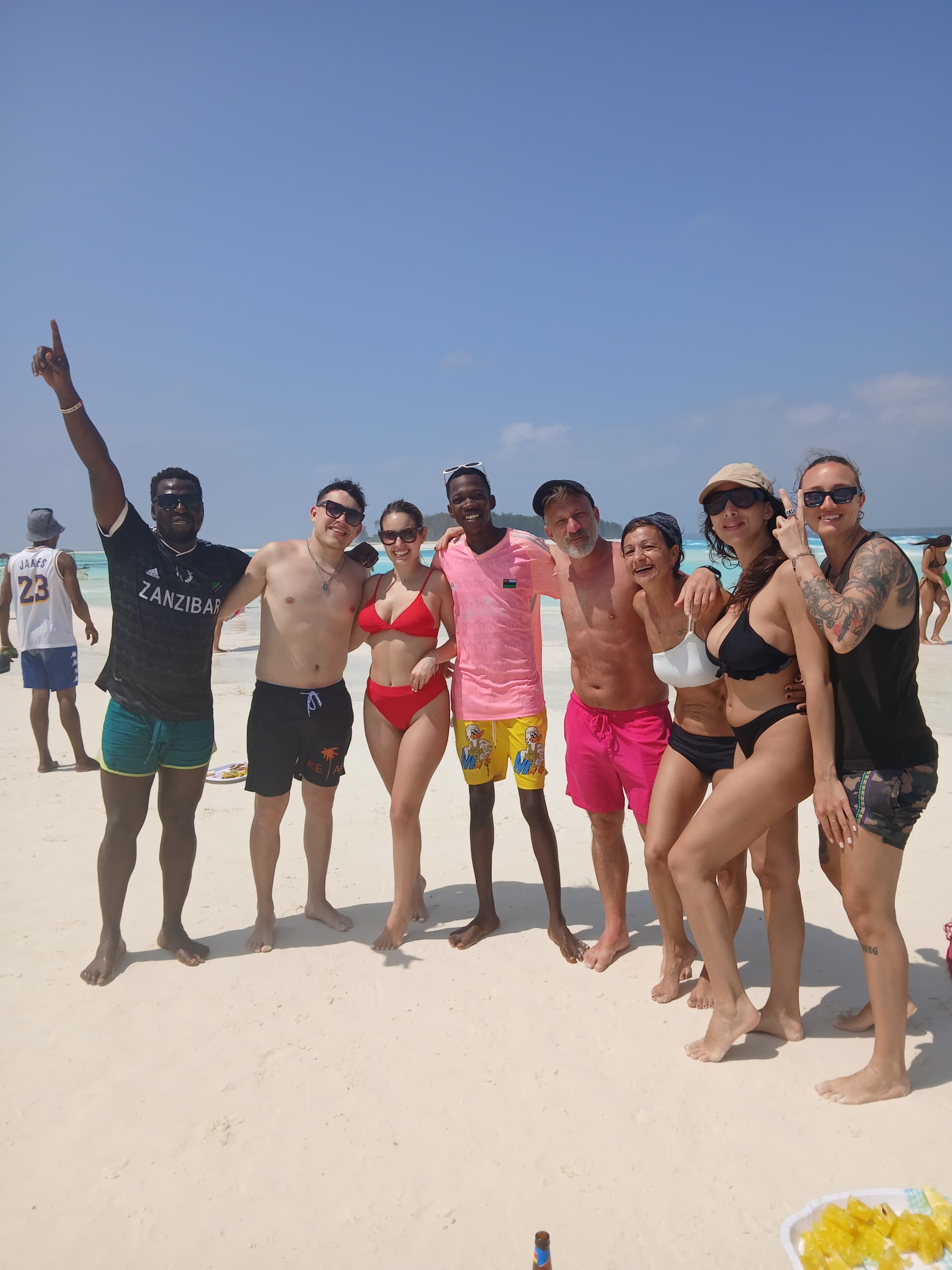
The Zanzibar archipelago offers over 25 beaches across its main island (Unguja) and smaller islands. Whether you want lively beach bars (Kendwa), tide-dependent luxury (Nungwi), or complete seclusion (Pemba), there’s a stretch of sand with your name on it.
Perfect Safari Extension
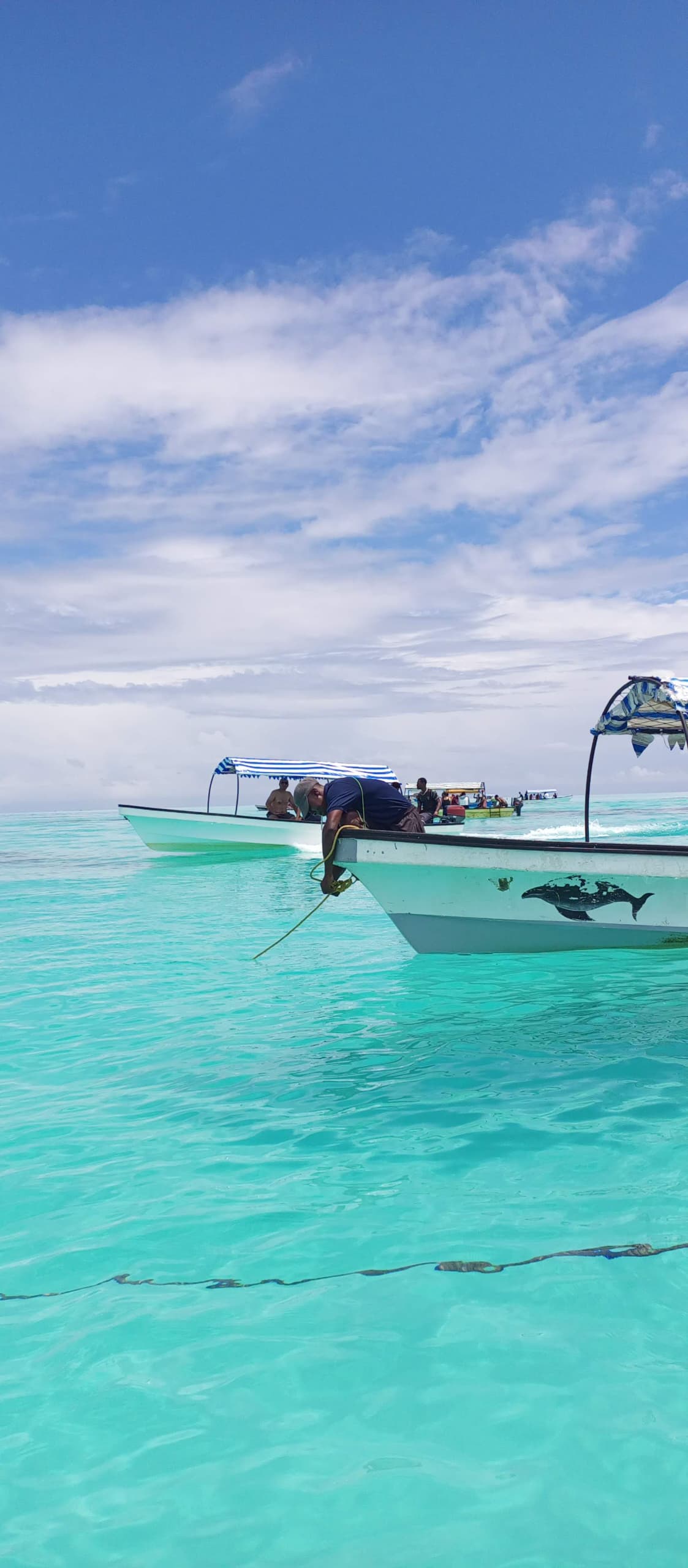
Zanzibar has become the classic “spice and spice” combo with mainland Tanzania safaris (Serengeti, Ngorongoro). But it’s also increasingly popular as a beach escape after a Southern African safari. Fly from Johannesburg or Nairobi directly to Zanzibar with ease .
Year-Round Destination
While there are two rainy seasons, Zanzibar enjoys warm weather year-round, with temperatures averaging 25-30°C (77-86°F). There’s always a great time to visit, you just need to know what to expect.
How to Get to Zanzibar (Flights & Connections)
Abeid Amani Karume International Airport (ZNZ) is well-connected internationally and regionally.
- From Europe: Direct flights from major hubs like Amsterdam (KLM), London (British Airways, Kenya Airways), and Zurich (Edelweiss).
- From the USA/Canada: One-stop via European hubs, Doha (Qatar), Dubai (Emirates), or Addis Ababa (Ethiopian Airlines).
- From Africa: Excellent connections from Nairobi, Dar es Salaam, Johannesburg, and Addis Ababa. This makes it seamless to combine with a Southern African trip .
- From the Middle East: Direct flights from Doha, Dubai, and Muscat.
📌 Ready to plan your flights? Search and compare routes to Zanzibar (ZNZ) for your 2026 trip:
🔍 Find Cheap Flights to Zanzibar with Kiwi.com
Best Time to Visit Zanzibar in 2026
Zanzibar’s climate is tropical, with two distinct rainy seasons and two dry seasons. Your ideal time depends on whether you prioritize sunbathing, diving, or cultural exploring.

Dry Seasons (Best for Beaches & Outdoor Activities)
| Period | Weather | Crowds & Prices | Best For |
|---|---|---|---|
| June – October | Cooler, dry, low humidity. Ideal temperatures (25-28°C / 77-82°F). | Peak season. Book 6+ months ahead. Higher prices. | Sunbathing, snorkeling, diving (visibility is best), safari extensions. |
| December – February | Hotter, dry. Slightly more humid but still minimal rain. 28-32°C (82-90°F). | Peak season (especially Dec-Jan). High prices. Festive atmosphere. | Warmest sea temperatures, New Year celebrations. |
Green Seasons (Quiet & Lush)
| Period | Weather | Crowds & Prices | Best For |
|---|---|---|---|
| March – May | Long rains. High humidity, heavy downpours (often short but intense). | Lowest season. Excellent deals on accommodation. Very few crowds. | Budget travel, photography (lush landscapes), cultural exploring. |
| November | Short rains. Scattered showers, often in afternoon/evening. Still plenty of sun. | Low to shoulder season. Good value. | Value travelers, those who don’t mind occasional showers. |
Our 2026 Recommendation: For most travelers, June–October offers the perfect conditions. If you’re on a tighter budget and don’t mind some heat, December–February is excellent (book early!).
Where to Stay: Zanzibar’s Best Beaches & Areas
Choosing where to stay is key, Zanzibar’s coastlines offer dramatically different vibes.
For First-Timers & Culture Lovers: Stone Town
Vibe: Historic, bustling, cultural, urban
Stay here for 2-3 nights to explore the UNESCO site, visit the night market, and take spice tours. Accommodation ranges from traditional guesthouses (Zanzibar Coffee House) to luxury hotels (Park Hyatt, Emerson Spice).
For Beach Scene & Sunsets: Nungwi & Kendwa (North Coast)
Vibe: Lively, social, beautiful beaches, stunning sunsets
These neighboring villages on the northern tip are Zanzibar’s most famous beach destinations. Nungwi is busier, with a fishing village feel, many restaurants, and nightlife. Kendwa has a wide, spectacular beach and is known for its full-moon parties. Good for couples and social travelers. Note: No tides in Kendwa, always swimmable!
For Luxury & High Tide: East Coast (Paje, Jambiani, Matemwe)
Vibe: Laid-back, luxury resorts, water sports, dramatic tides
The east coast is famous for its stunning white sand and turquoise water at high tide. At low tide, the ocean retreats, revealing coral flats, perfect for kite surfing (Paje is the hub) and walking. This coast offers a range of boutique hotels and luxury resorts. Matemwe is quieter and known for its proximity to Mnemba Atoll (top snorkeling).
For Ultimate Seclusion & Authenticity: South Coast (Kizimkazi) & Pemba Island
Vibe: Quiet, authentic, dolphin spotting, untouched nature
Kizimkazi in the south is famous for dolphin tours (swim with wild dolphins). It’s more rustic and less developed. Pemba Island (northern archipelago) is for true off-the-grid travelers, lush, hilly, and home to some of the most exclusive and eco-friendly lodges in the world.
Top Things to Do in Zanzibar (Beyond the Beach)
1. Explore Stone Town’s Labyrinthine Alleys
Get lost in the narrow streets. Look for the intricately carved Zanzibar doors, visit the former slave market site (Anglican Cathedral), the House of Wonders (though currently under renovation), and the bustling Darajani Market. A guided tour is highly recommended to uncover the layers of history.
2. Take a Spice Tour
Zanzibar is the “Spice Island.” A tour takes you to a working spice farm where you’ll see, smell, and taste cloves, nutmeg, vanilla, cinnamon, and more. It’s fragrant, educational, and supports local farmers. Tip: Tours often end with a delicious, freshly prepared lunch.

3. Sail on a Traditional Dhow
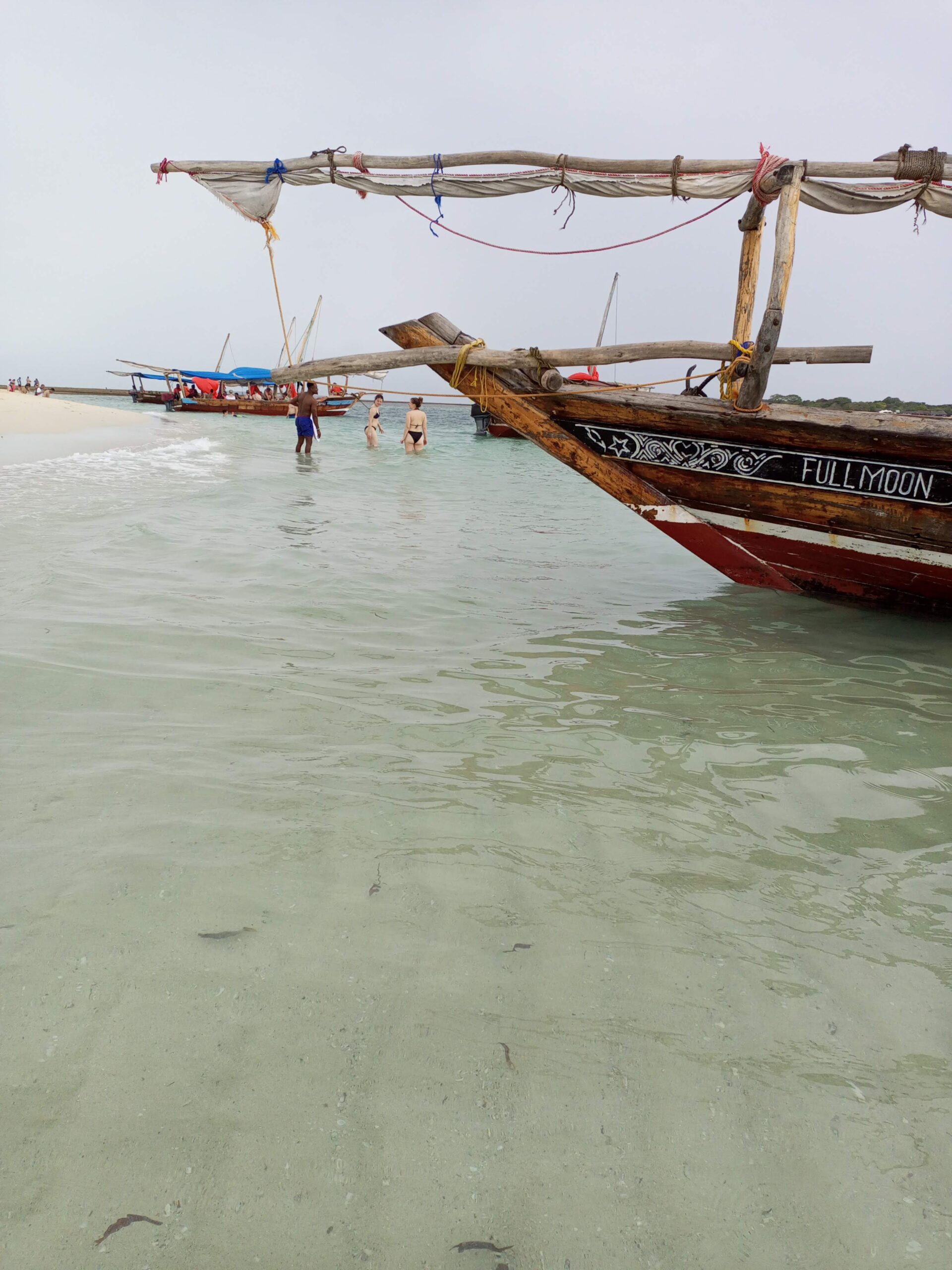
No trip to Zanzibar is complete without a dhow cruise. Choose a sunset cruise from Stone Town or a day trip to Prison Island (home to giant tortoises) and Sandbank Island (a sandbar that emerges at low tide, ideal for snorkeling and picnics).
4. Snorkel or Dive at Mnemba Atoll
Off the northeast coast, Mnemba Atoll is a marine conservation area and Zanzibar’s premier snorkeling and diving spot. You’ll find crystal-clear waters, vibrant coral reefs, and a chance to see turtles, dolphins, and tropical fish. Day trips from Matemwe or Nungwi are easy to arrange.
5. Visit Jozani-Chwaka Bay National Park
Zanzibar’s only national park protects the rare Zanzibar red colobus monkey (endemic to the island). A boardwalk through the forest allows you to see these striking primates up close. The park also includes mangrove boardwalks—great for birdwatching.
6. Join a Swahili Cooking Class
Learn to make dishes like pilau (spiced rice) or the famous Zanzibari mix (pizza-like street food). It’s a delicious way to connect with local culture.
Zanzibar Itinerary Ideas (4-7 Days)
Classic 5-Day Safari & Beach Combo
Days 1-2: Stone Town – Explore alleys, night market, spice tour, Prison Island. Day 3: Travel to North Coast (Nungwi/Kendwa). Days 4-5: Beach time, dhow cruise, snorkeling.
Luxury 7-Day Deep Dive
Days 1-2: Stone Town. Day 3: Transfer to East Coast (Matemwe or Paje). Days 4-6: Mnemba Atoll snorkeling, beach relaxation, kite surfing or yoga. Day 7: Optional: Dolphin tour in Kizimkazi or transfer to airport.
Practical Tips for Your 2026 Zanzibar Trip
Visas & Entry
- Tanzania e-Visa or Visa on Arrival: Most nationalities (US, UK, EU, Canada, Australia) can obtain a visa on arrival ($50 USD) or apply online beforehand. The e-Visa is recommended to avoid queues.
- Yellow Fever: Required if traveling from an endemic country. Not required for direct entry from Europe or the US.
Money & Tipping
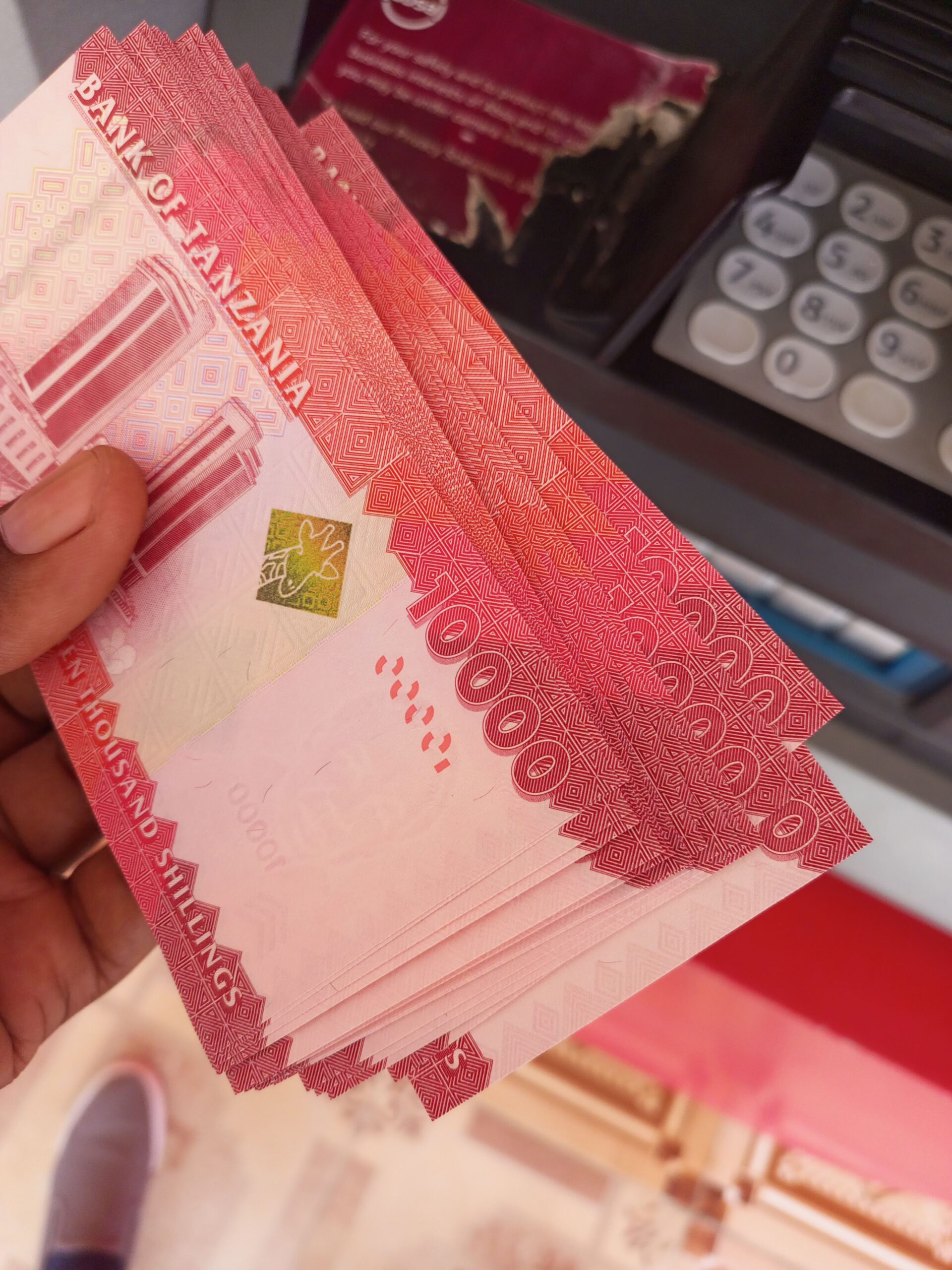
- Currency: Tanzanian Shilling (TZS). US dollars are NOT widely accepted for hotels, tours, and large purchases, but you’ll need shillings for markets, taxis, and small restaurants.
ATMs: Available in Stone Town and larger towns, but can be unreliable. You will need to change USD cash for local Tanzania shillings
- Tipping: Appreciated. $5-10 per day for guides, $1-2 per meal is standard.
Stay Connected
Having reliable internet is key for sharing those stunning beach photos and staying in touch. Avoid expensive roaming charges with a local eSIM.
📌 Get your eSIM for Zanzibar:
📱 Get Your eSIM for Zanzibar with Yesim
What to Pack
- Lightweight, modest clothing: Zanzibar is predominantly Muslim. Cover shoulders and knees when in Stone Town and villages. Beachwear is fine on the beach/resort.
- Reef-safe sunscreen: Crucial for protecting the coral reefs.
- Insect repellent: Malaria is present. Consult your doctor about prophylaxis.
- Power adapter: UK-style (three rectangular prongs) is common. Many hotels also have universal sockets.
- Snorkel gear (optional): If you’re a keen snorkeler, bringing your own mask can be worthwhile.
Health & Safety
- Malaria: Present year-round. Use repellent, sleep under nets if provided, and consider prophylactics after consulting a doctor.
- Water: Drink bottled or filtered water only.
- Safety: Zanzibar is generally safe for tourists. Be aware of your surroundings in Stone Town after dark, and use common sense with valuables. Avoid walking alone on remote beaches at night.
Frequently Asked Questions (FAQ)
How many days do I need in Zanzibar?
Minimum 4 days (2 Stone Town, 2 beach). Ideally, 5-7 days for a more relaxed pace and to see more of the coast.
Is Zanzibar expensive?
It varies widely. You can travel on a budget ($50-70/day), enjoy mid-range ($100-200/day), or splurge on ultra-luxury ($500+/day). Accommodation and tours are the main costs.
Can I combine Zanzibar with a safari?
Absolutely! It’s a classic combination. Fly into Kilimanjaro (JRO) or Arusha (ARK) for safari, then take a short flight to Zanzibar (ZNZ). Alternatively, combine it with your Southern Africa trip by flying via Johannesburg or Nairobi.
Is Zanzibar safe for solo female travelers?
Yes, with precautions. Dress modestly (especially away from resorts), avoid isolated areas at night, and be prepared for some attention in Stone Town. Most solo travelers have positive experiences.
What’s the seaweed issue on East Coast beaches?
Some east coast beaches (like Paje and Jambiani) can have natural seaweed accumulation, especially during certain tides and seasons. Resorts often clean their beachfront, but it’s less prevalent on the north coast (Nungwi/Kendwa).
Do I need a visa for Zanzibar?
Yes, as Zanzibar is part of Tanzania, you need a Tanzanian visa. Most tourists obtain a visa on arrival ($50 USD) or e-visa.
Final Thoughts: Why Zanzibar Deserves Your 2026 Vacation
Zanzibar offers something rare: a destination where you can genuinely unwind while feeling immersed in a place with deep cultural roots. It’s not just a beach; it’s an experience—from the haunting history of Stone Town to the vibrant underwater world of Mnemba Atoll, from the scent of spices drying in the sun to the sight of a dhow catching the Indian Ocean breeze.
For 2026, whether you’re looking for the perfect honeymoon, a family beach getaway, or a rejuvenating finale to an African safari, Zanzibar delivers with warmth, beauty, and authenticity.
Make Zanzibar part of your story this year. The turquoise waters are calling.
Planning Resources
- Complete Victoria Falls Travel Guide (2026) – Combine with Zanzibar via Johannesburg.
- Chobe National Park Travel Guide (2026) – For the ultimate safari + beach itinerary.
- Zanzibar Packing List & Essential Gear (coming soon)
Have questions about planning your Zanzibar escape? Drop them in the comments below!