Kolmanskop, Lüderitz & Namibia’s Wild Horses: Ghost Towns, Diamonds & Desert Spirits – 2026 Guide
Quick answer: Kolmanskop is Namibia’s most famous ghost town, a once-thriving diamond mining settlement slowly being swallowed by the Namib Desert. Just south lies Lüderitz, a surreal German-colonial town perched on a rugged coastline, and beyond it, the legendary wild horses of the Namib roam the desert plains. This is Namibia’s forgotten coast, and it is hauntingly beautiful.
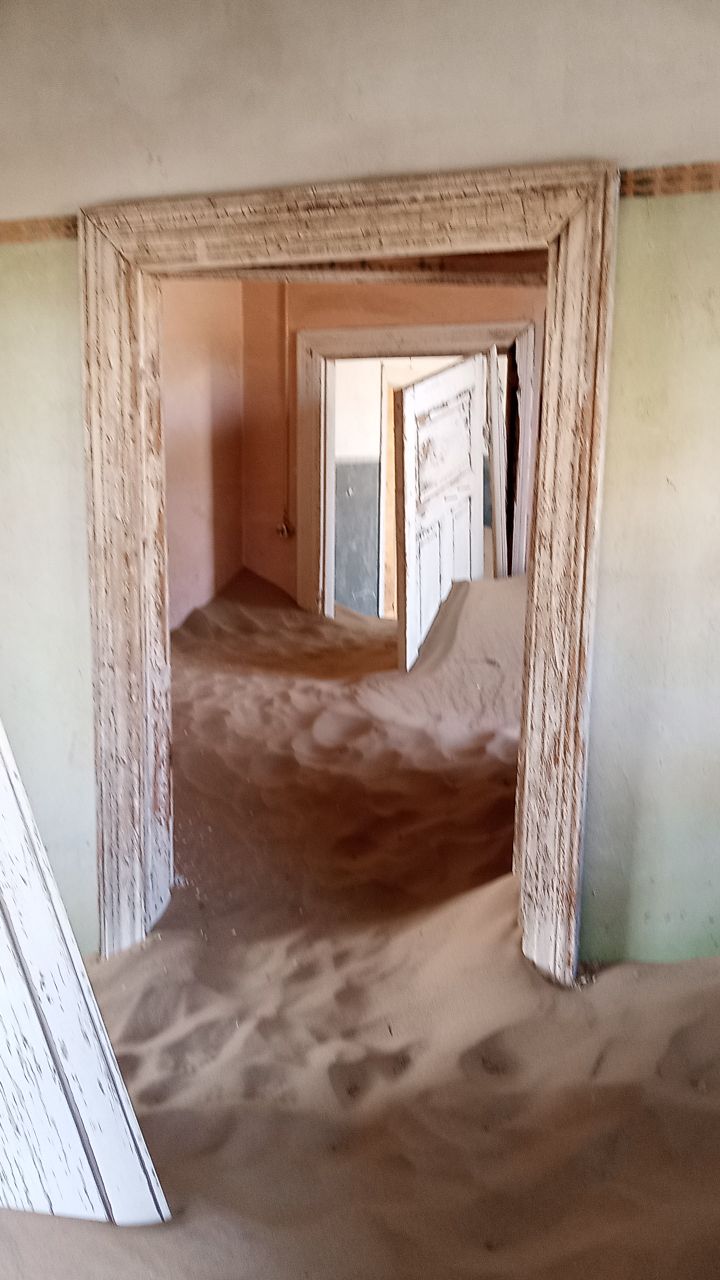
Imagine standing in a grand ballroom, crystal chandelier still hanging, while sand dunes pour through broken windows and pile against ornate doorways. This is Kolmanskop, a place where wealth, diamonds, and human ambition were abandoned to the desert. A short drive away, Lüderitz offers a different kind of time warp: pastel-colored Art Nouveau buildings, a rocky coastline battered by Atlantic swells, and the dark history of Shark Island, where thousands perished in a concentration camp.
Beyond the towns, on the dusty plains toward Aus, a small herd of wild horses roams, descendants of German cavalry horses, South African army mounts, and perhaps even shipwreck survivors. They have adapted to one of the driest landscapes on Earth, surviving where almost nothing else can.
For 2026, this corner of Namibia offers something increasingly rare: a landscape that feels forgotten, stories that unsettle and inspire, and the chance to witness resilience in nature, in history, and in the wild horses that refuse to vanish.
Already exploring Namibia? This southern route pairs beautifully with Sossusvlei’s dunes and Swakopmund’s coast, offering a complete journey through the heart of the Namib.
Kolmanskop: The Diamond Ghost Town Swallowed by Sand
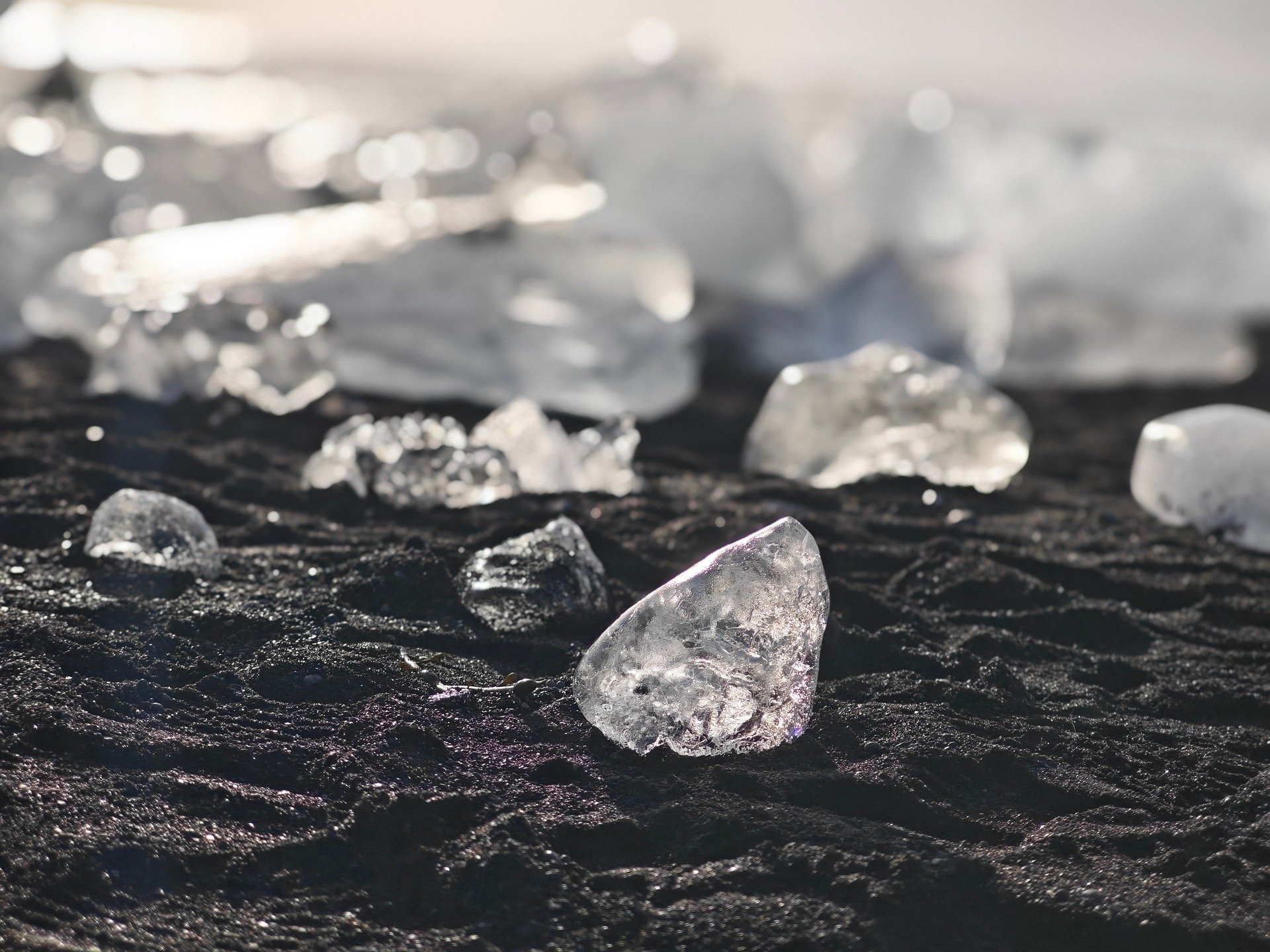
In 1908, a railway worker named Zacharias Lewala found a glittering stone in the sand near this remote stretch of coast. It was a diamond. Within months, a frenzy began. Prospectors flocked, the German colonial government declared a restricted area (the Sperrgebiet “forbidden zone”), and the town of Kolmanskop was born.
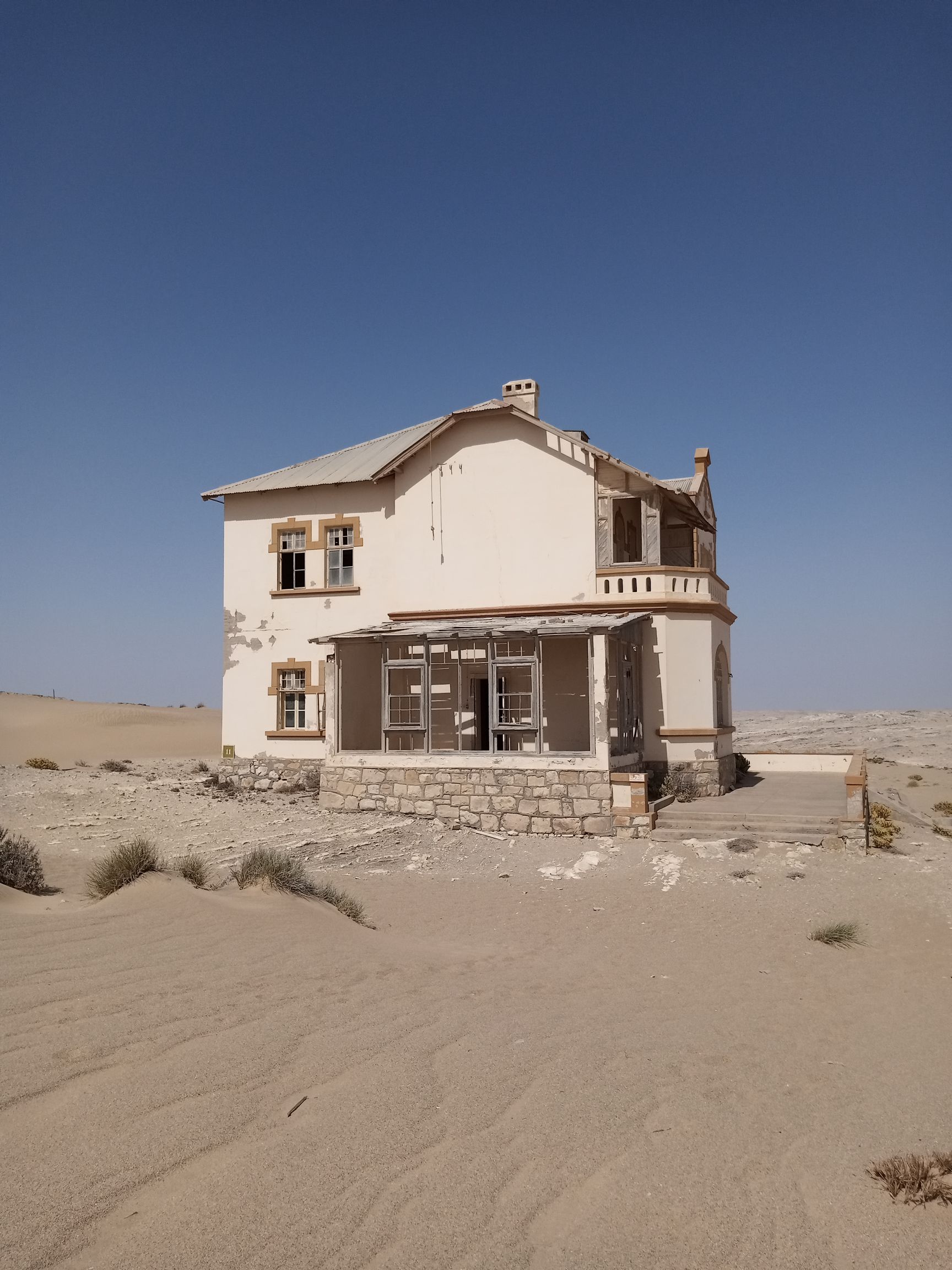
At its peak in the 1920s, Kolmanskop was a marvel of German engineering and ambition in the desert. It had a hospital with the first x-ray machine in the southern hemisphere, a ballroom with a chandelier, a casino, a school, a bowling alley, and an ice factory, all built in one of the most inhospitable places on Earth. The town produced over 11% of the world’s diamonds.
But the diamonds were finite. After World War I, production declined as richer deposits were found elsewhere. By 1954, the last residents left, abandoning their homes, their furniture, their lives to the encroaching sand. Today, Kolmanskop is a photographer’s paradise and a traveler’s haunting memory. Rooms once filled with laughter are now half-buried. The ballroom’s chandelier still hangs, dust-covered, as sand spills through the windows. The hospital walls are cracked, but the tiles remain.
What to expect when you visit: Guided tours are mandatory and run daily. You’ll spend 1-2 hours exploring the most accessible buildings. For photographers, the best light is early morning, when the sun streams through broken windows and illuminates the sand inside. Wear sturdy shoes, you’ll be walking on sand inside abandoned rooms.
Tips for 2026: Book your tour in advance, especially during peak season (July-October). The town is located inside the Sperrgebiet National Park, so access is controlled. Combine your visit with a stay in Lüderitz, just 15 minutes away.
Lüderitz: A Slice of Germany on Namibia’s Wild Coast
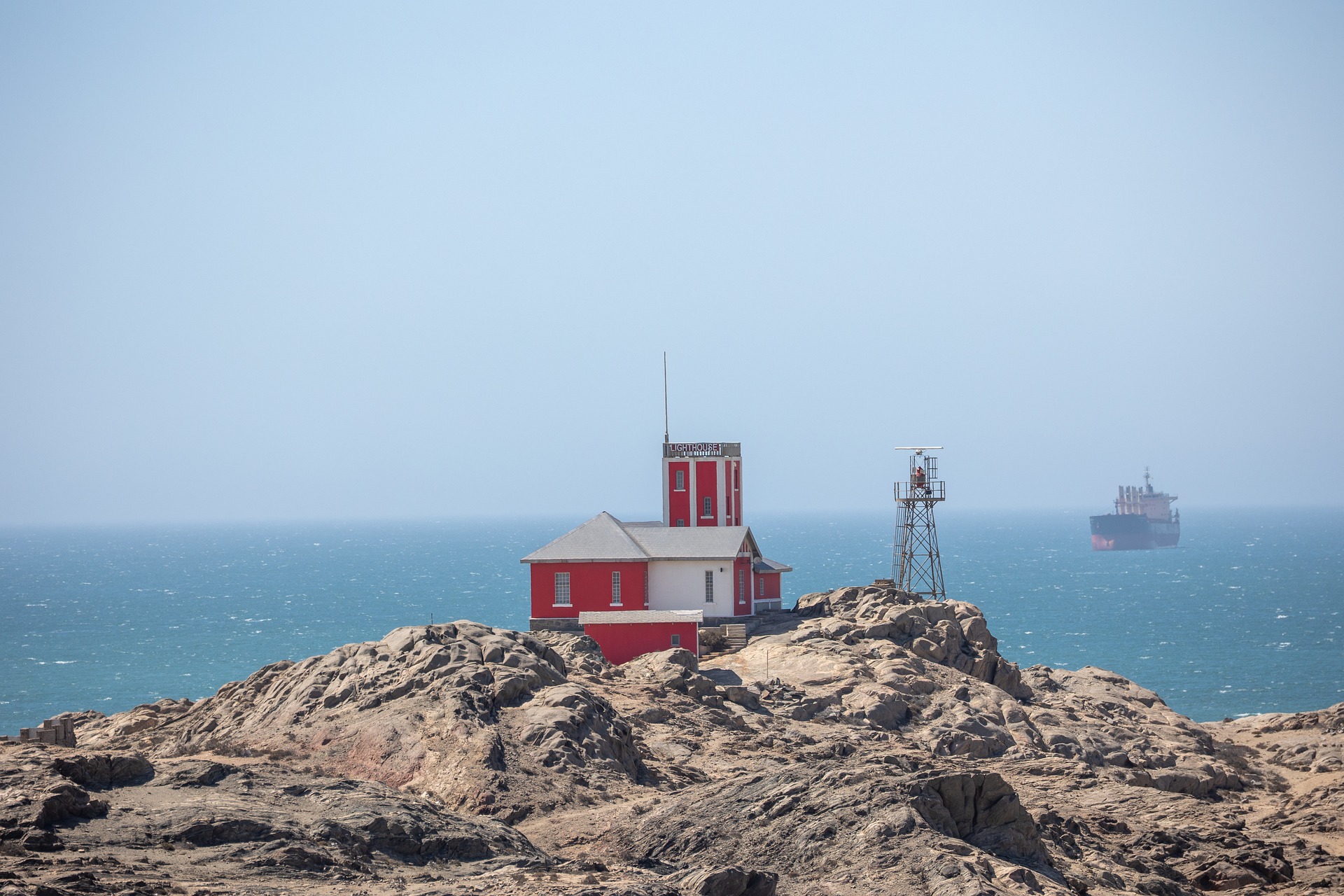
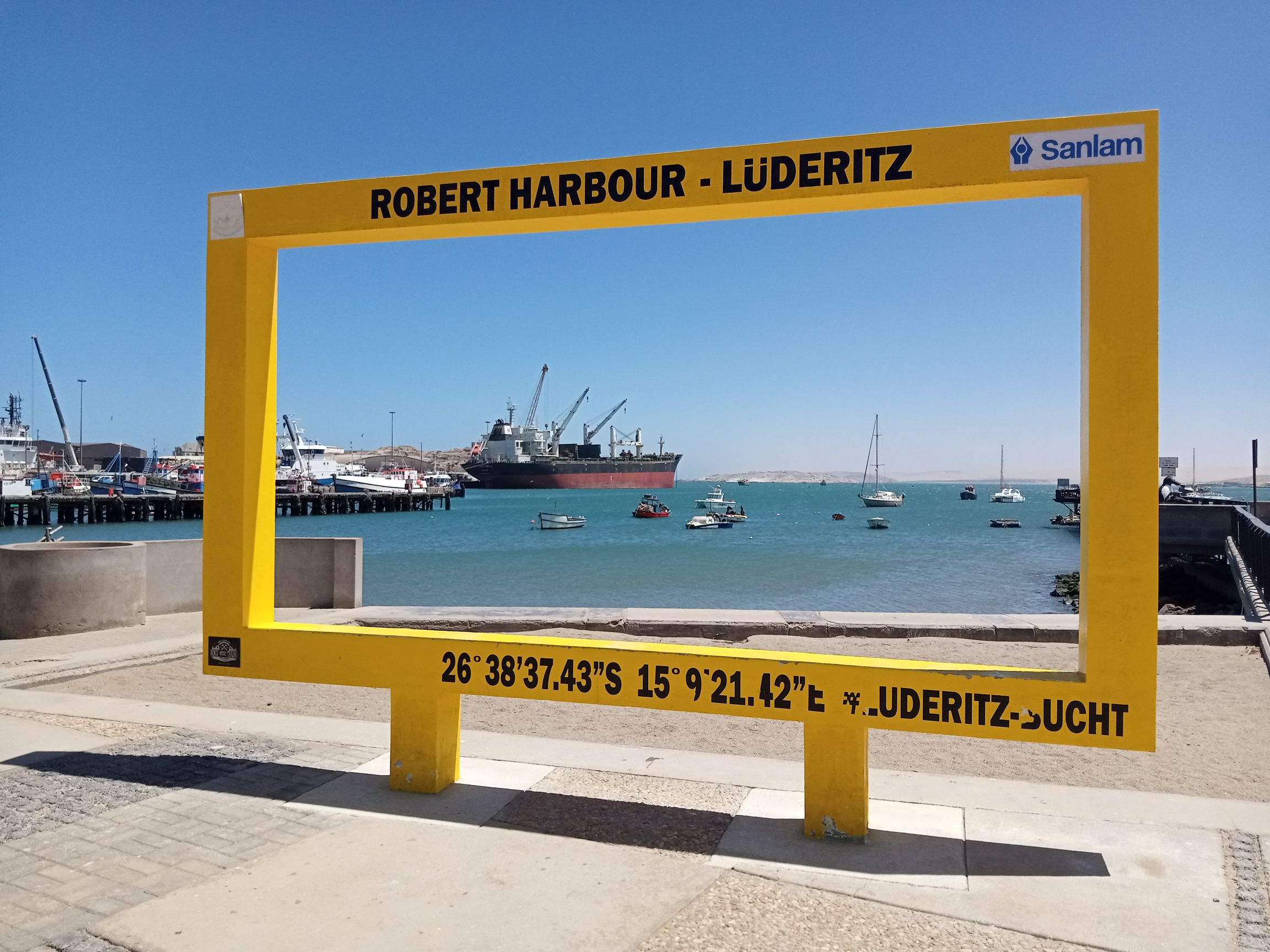
About 15 kilometers south of Kolmanskop, Lüderitz rises from the rocky coastline like a dream. Founded in 1883 by a German merchant, the town is a strange and beautiful anomaly, pastel-colored Art Nouveau buildings, narrow streets, and a harbor battered by the cold Benguela Current. It feels like a Bavarian village transplanted to the edge of the Namib, and it shouldn’t work, but it does.
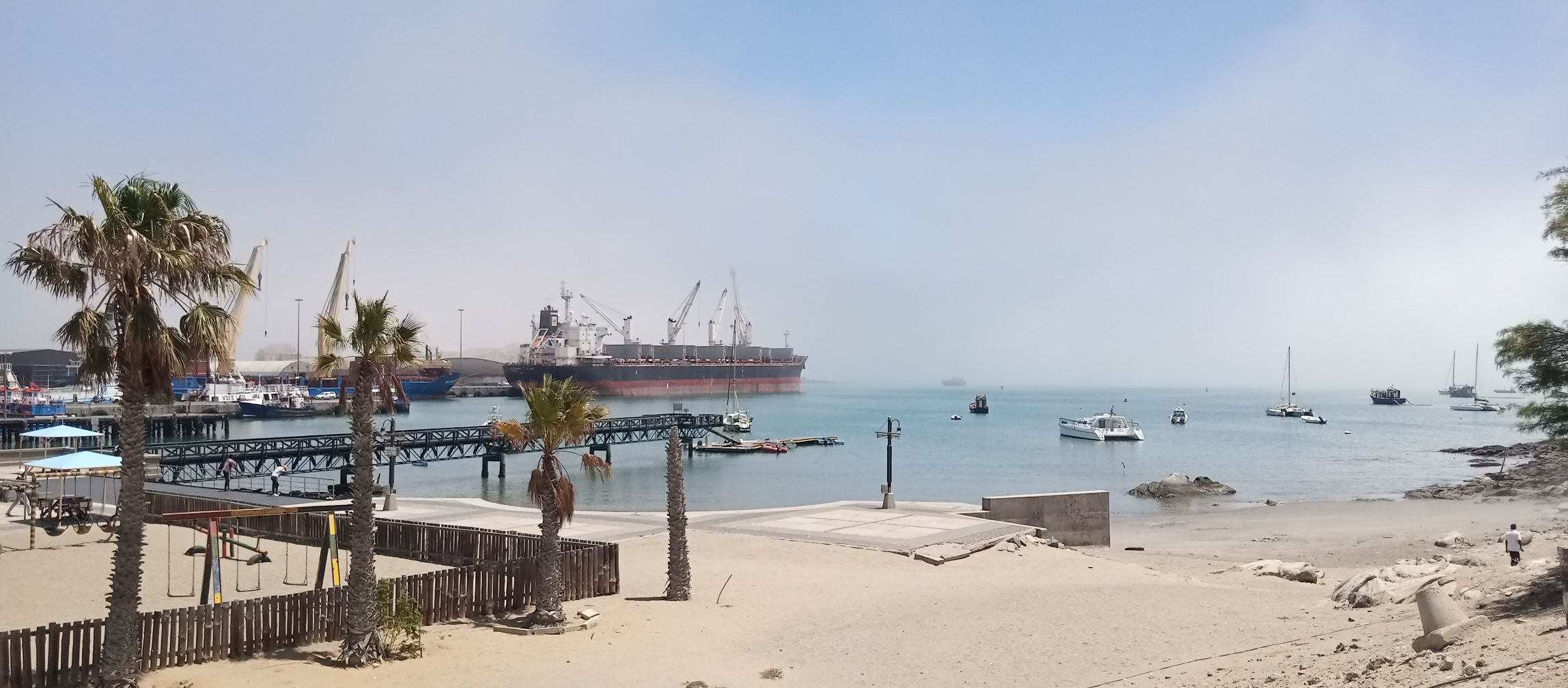
Unlike Swakopmund’s manicured charm, Lüderitz is raw. The wind is constant. The ocean is cold and rough. The surrounding landscape is barren and rocky. But there is a stark beauty here that rewards those who linger.
What to do in Lüderitz:
- Walk the Felsenkirche (Rock Church): This striking Lutheran church, built in 1912, sits on a hill overlooking the town. The views of Lüderitz and the Atlantic are worth the climb.
- Explore the Goerke House: A restored German-colonial mansion built by a diamond magnate. It offers a glimpse into the extravagant lives of the early diamond barons.
- Visit the Lüderitz Museum: Housed in a historic building, the museum covers the town’s German colonial history, diamond rush, and the tragic story of Shark Island.
- Take a boat trip to Halifax Island: Home to a large colony of African penguins, Cape fur seals, and dolphins. The boat trip offers a different perspective on the rugged coastline.
- Sample fresh oysters and crayfish: Lüderitz is famous for its seafood. The cold Atlantic produces some of the finest oysters in Africa.
Shark Island: A Haunting History
Just a few minutes from Lüderitz’s center, Shark Island is connected to the mainland by a narrow causeway. Today, it is a campsite with sweeping ocean views. But its history is dark.
Between 1904 and 1908, during the Herero and Nama genocide, German colonial forces used Shark Island as a concentration camp. Thousands of Herero and Nama people were imprisoned here, forced to perform hard labor, rape, being fed to sharks and subjected to horrific conditions. It is estimated that over 1,000 people died on the island from disease, exposure, starvation, and violence. The island’s windswept cliffs and cold waters became their final resting place. Currently there is a number of real human bones that have been discovered on shark Island. They have marked the places of each human bone on the ground with bricks to surround and make the traveller aware.
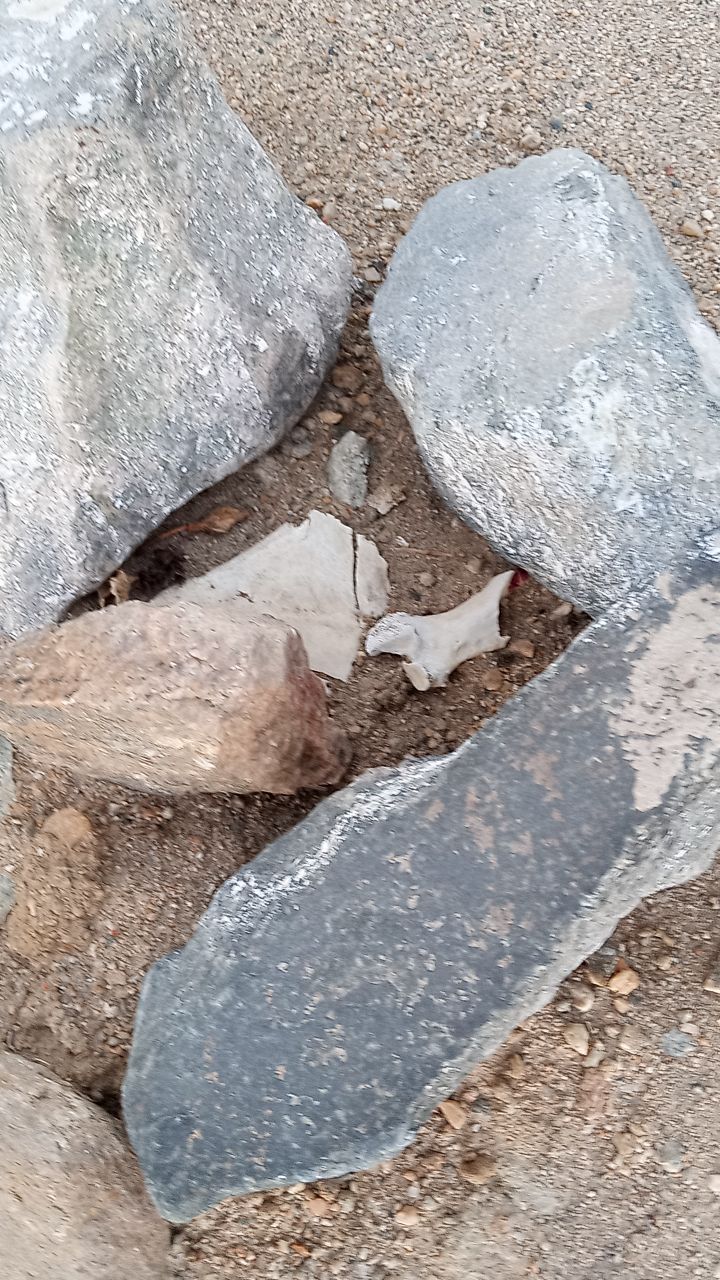
Visiting Shark Island today is a somber experience. There are no monuments on the island itself (though a memorial exists in Lüderitz). The campsite is popular with travelers who often don’t know the history. For those who do, the wind carries a heavy silence. It is a place to reflect on a painful chapter in Namibian and German history.
For respectful visitors: Consider visiting the memorial in Lüderitz and taking a moment on Shark Island to reflect. The Namibian government has plans to develop a more significant memorial in the future. For now, the site remains a quiet, haunting place.
The Wild Horses of the Namib: Legends of the Desert
About 100 kilometers east of Lüderitz, near the small town of Aus, something remarkable roams the dusty plains: a herd of wild horses, surviving in one of the harshest deserts on Earth.
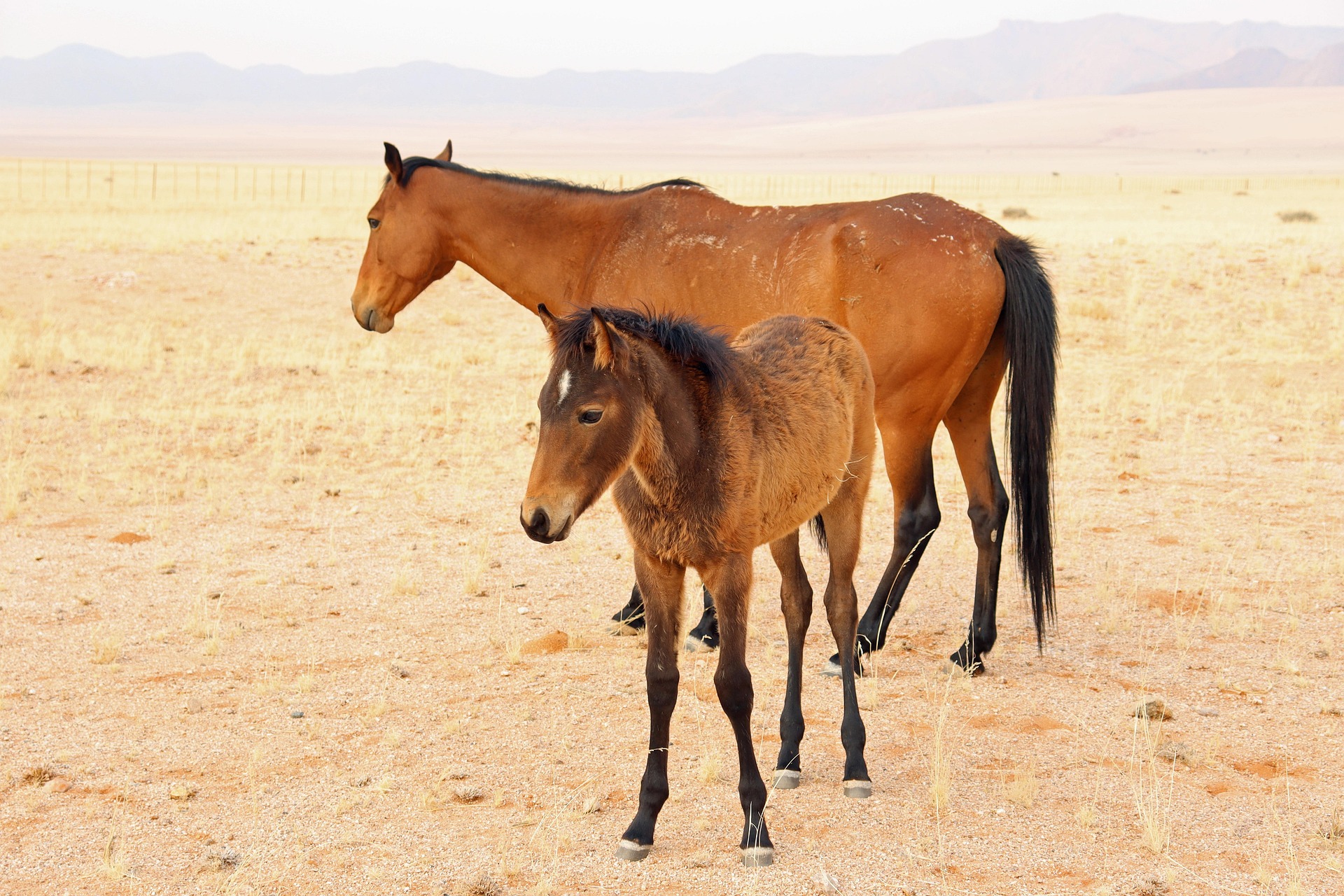
No one knows exactly how they arrived. The most widely accepted theory is that they are descendants of German cavalry horses and South African army mounts from World War I. Some escaped, were released, or survived shipwrecks. Whatever their origin, they have adapted. Over a century, they have learned to find water in the arid Garub Plains, to survive on sparse vegetation, and to endure temperatures that swing from freezing nights to scorching days.
Today, the herd numbers around 100-150 horses. They are not tame. They are truly wild, and they keep their distance. A waterhole at Garub (about 20 kilometers from Aus) is the best place to see them, especially in the morning and late afternoon when they come to drink. A viewing platform offers shade and information about the horses.
Photography tips: A telephoto lens (200mm+) is essential. The horses are skittish and won’t approach closely. Early morning and late afternoon offer the best light and the most activity at the waterhole.
Conservation note: The horses are not fed or watered artificially. They survive on natural water sources. During severe droughts, authorities have provided supplemental water, but the horses are otherwise left to their own resilience. They are a living symbol of adaptation and survival in the Namib.
Best Time to Visit Southern Namibia in 2026
This region is accessible year-round, but conditions vary.
Peak Season (July–October)
Winter and early spring bring mild days (15-25°C / 59-77°F) and cold nights (near freezing). Skies are clear, and the light is dramatic. This is the best time for photography and exploring Kolmanskop. However, it’s also the busiest, book accommodation in Lüderitz well in advance.
Shoulder Season (April–June & November)
April to June offers cool weather and fewer visitors. November is warmer but still pleasant. These months offer a good balance of conditions and availability.
Summer (December–February)
Summer is hot, especially inland. Daytime temperatures can exceed 35°C (95°F). However, the coast remains cooler due to the Atlantic. This is a good time for budget travelers, as prices are lower and crowds are thinner.
For wild horse viewing: The horses come to the Garub waterhole year-round, but the dry season (May–October) concentrates them at the water source, making sightings more reliable.
How to Get to Kolmanskop, Lüderitz, and the Wild Horses
By Air: Lüderitz Airport (LUD) receives flights from Windhoek (2 hours) and Cape Town (seasonal). From the airport, it’s a 15-minute drive into town.
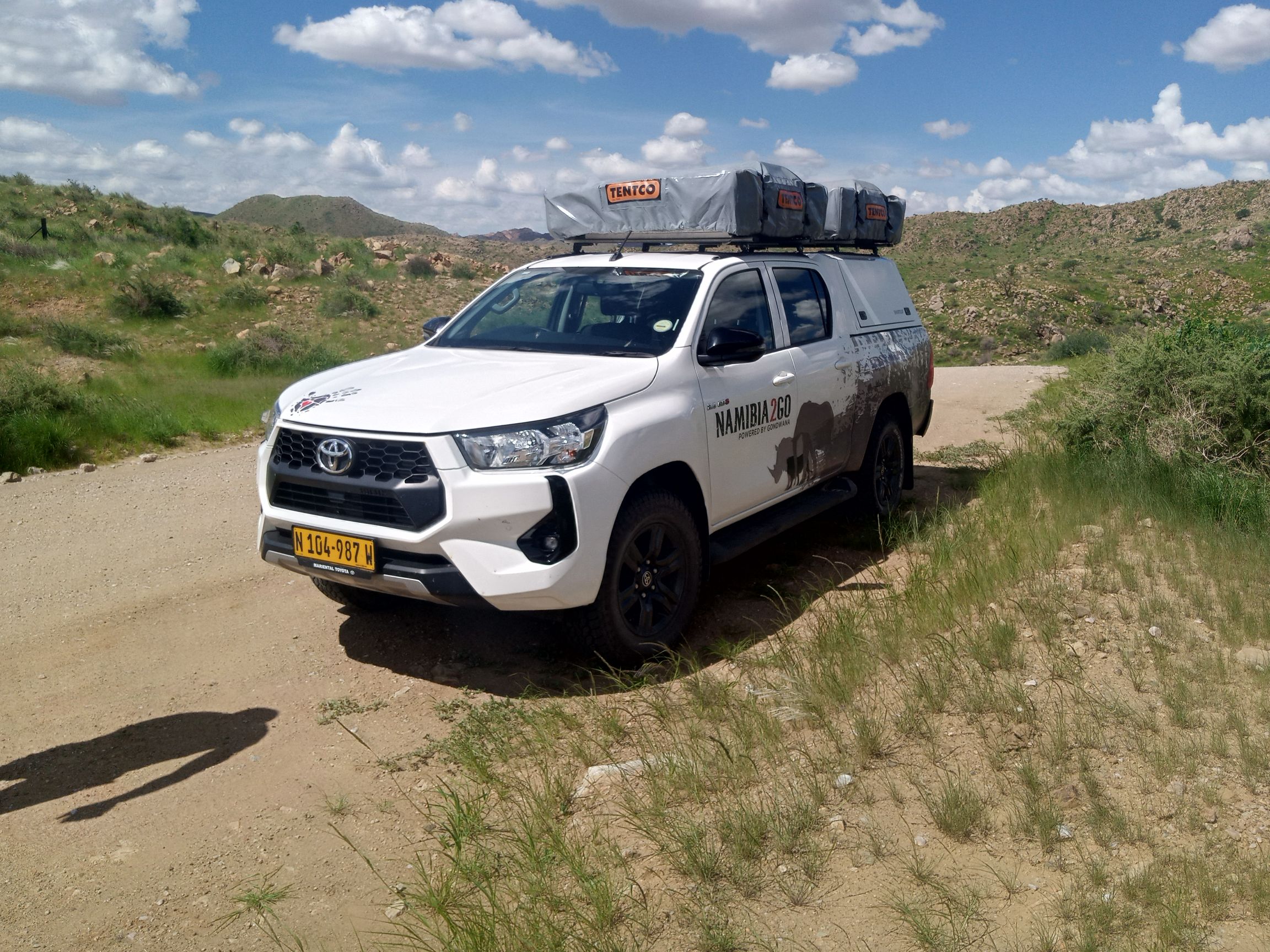
Self-Drive: This is Namibia, and self-driving is the way to go. From Windhoek, it’s an 8-9 hour drive on good paved roads (via Mariental and Keetmanshoop). From Sossusvlei, it’s about 5-6 hours south on the C27 and B4 roads. From Swakopmund, plan a full day’s drive (7-8 hours) via the B2 and B4. A standard sedan is sufficient for the main roads, but a 4×4 is recommended for exploring beyond Lüderitz.
Guided Tours: Several tour operators offer multi-day trips from Windhoek or Swakopmund covering this southern route. This is a good option for those who prefer not to drive themselves.
Where to Stay in Lüderitz and Aus
In Lüderitz: Accommodation ranges from historic guesthouses to modern hotels. The Nest Hotel offers stunning ocean views and is close to the town center. Krabbenhöft & Lampe is a charming, historic guesthouse with German-colonial character. For budget travelers, Lüderitz Backpackers offers affordable dorms and private rooms.
In Aus (near the wild horses): The small town of Aus (about 100 kilometers east of Lüderitz) is the gateway to the wild horses. The Desert Horse Inn offers comfortable rooms and stunning views of the surrounding plains. Campsites are also available for those traveling with a 4×4 and tent.
Practical Tips for Your Southern Namibia Adventure
Permits for Kolmanskop: Kolmanskop is inside the Sperrgebiet National Park, and access is controlled. Tours are mandatory and can be booked in Lüderitz. Book at least a day in advance during peak season.
Fuel and Supplies: Lüderitz has full services (fuel, supermarkets, restaurants). Aus has basic supplies but limited fuel. Fill up in Lüderitz before heading east to the horses.
What to Pack: Layers are essential, the coast is windy and cool even in summer. Bring a windbreaker, warm jacket, sturdy walking shoes (sand inside Kolmanskop), sun protection, and a camera with a zoom lens for the horses.
Health: Malaria is not present in this region. Sun protection and hydration are the main concerns.
Respectful Travel: Shark Island is a site of historical trauma. Visit with awareness and respect. There is no official memorial on the island, but the weight of history is present.
Why This Forgotten Corner of Namibia Matters in 2026
In a world where travel often means ticking boxes, this corner of Namibia asks something different. It asks you to sit with history, the glittering rise and sudden fall of Kolmanskop, the dark shadows of Shark Island. It asks you to witness resilience, the wild horses surviving against all odds, the German-colonial buildings still standing against the wind. It asks you to feel the isolation, the silence, the strange beauty of a landscape that has not been tamed.
For 2026, as travelers seek deeper, more meaningful experiences, this southern route offers exactly that. It is not easy. It is not crowded. But it is unforgettable.
Final Thoughts: Where Ghosts, Diamonds, and Wild Horses Roam
There is a moment, standing in the half-buried ballroom of Kolmanskop, when you feel the weight of time. The chandelier above you was once lit for parties where diamond millionaires danced. Now, sand pours through broken windows, and the only sound is the wind.
There is another moment, standing on the cliffs of Shark Island, when the wind carries a different weight, a silence that speaks of suffering and survival.
And then there is the moment, at dawn near Aus, when a small herd of wild horses approaches the waterhole, their hooves quiet on the dusty ground. They are descendants of cavalry horses and shipwreck survivors, and they have made this desert their home.
These are the moments that define southern Namibia. They are quiet, haunting, and deeply moving. For 2026, let this forgotten corner of the country remind you that travel is not just about seeing it is about feeling.
Make 2026 the year you walk through a ghost town, stand on a windswept island, and watch wild horses drink from a desert spring. Namibia’s south is waiting.
Planning Resources for Your Namibia Journey
- Sossusvlei & Deadvlei Guide (2026) – Namibia’s iconic desert dunes.
- Swakopmund & Skeleton Coast Guide (2026) – Where desert meets ocean.
- Central Kalahari Game Reserve Guide (2026) – Botswana’s untamed heart.
- Okavango Delta Travel Guide (2026) – Watery wilderness of Botswana.
Have questions about planning your southern Namibia adventure? Drop them below and if you’ve walked through Kolmanskop or seen the wild horses, share your story with us.