Cape Verde Travel Guide 2026: The World Cup Sensation & Atlantic Paradise
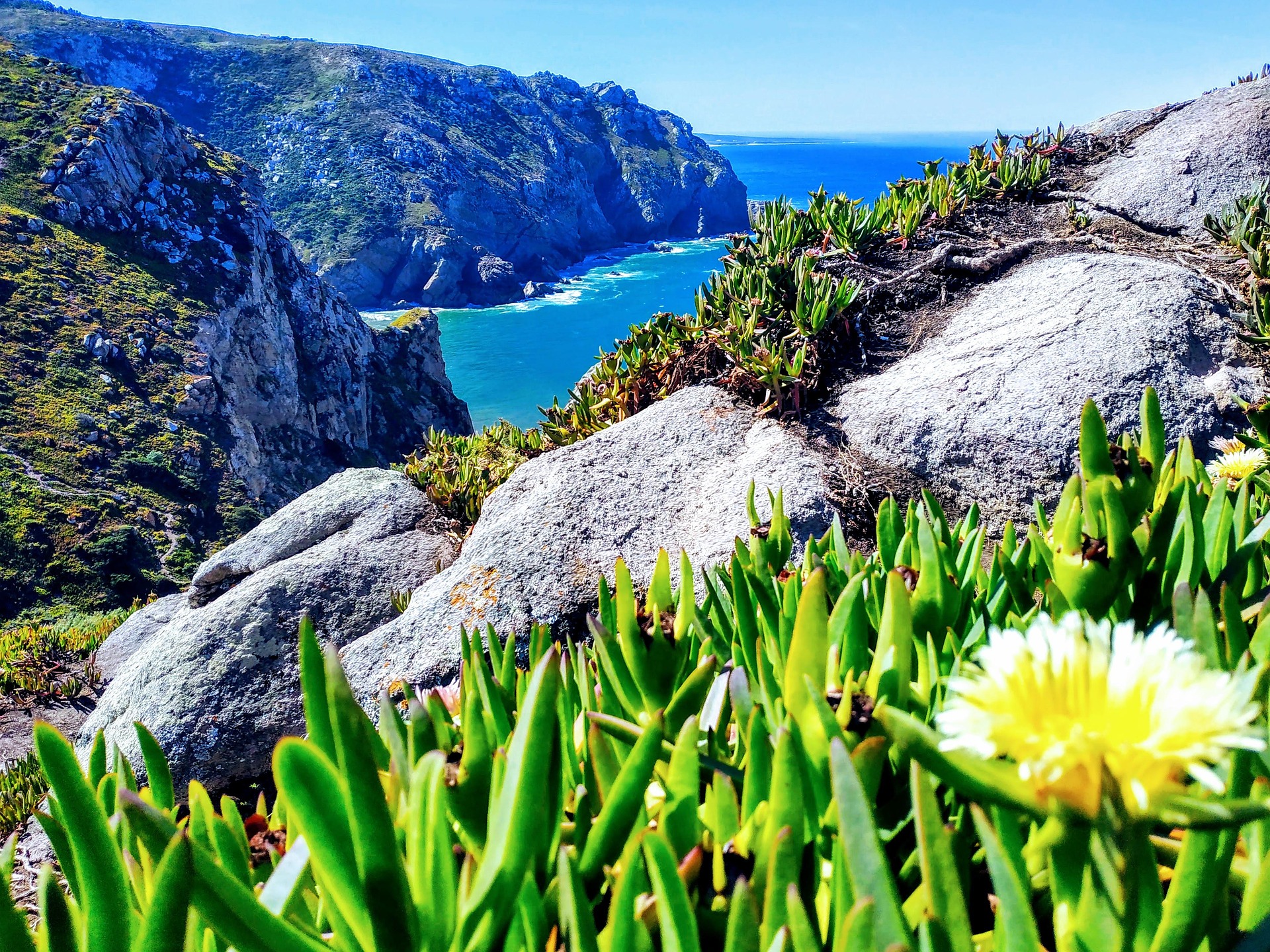
Quick answer: Cape Verde is the Atlantic’s best-kept secret, a 10-island archipelago where African, Portuguese, and Brazilian cultures collide, where volcanoes meet pristine beaches, and where the locals live by “no stress.” The World Cup put this tiny nation on the global stage in 2026, and now travelers are discovering its white-sand beaches, dramatic hiking trails, and soulful music.
Before the 2026 World Cup, Cape Verde was a quiet destination known mostly to European package tourists. Then goalkeeper Vozinha, at 40 years old, nearly pulled off one of the greatest upsets in football history against Argentina . The world took notice. Searches for Cape Verde surged 852% in a single month . The “Blue Sharks” didn’t win the match, but they won the world’s heart.
Now, Cape Verde is having its moment. With nearly 350 days of sunshine a year, malaria-free status, and a unique blend of cultures, it’s an island paradise waiting to be explored. This guide covers everything you need to know: which islands to visit, how to get there, where to stay, and how to experience the magic that captivated the world.
Already exploring Africa? Cape Verde pairs beautifully with a Namibia self-drive or a Botswana safari. This is the perfect beach-and-culture extension to any African adventure.
Why Cape Verde is the World’s New Must-Visit Destination in 2026
Cape Verde is not one destination, it’s ten. Each island has its own personality, from the beach resorts of Sal to the volcanic peaks of Fogo to the cultural heartbeat of São Vicente. The archipelago sits about 500 kilometers off the coast of West Africa, a former Portuguese colony that gained independence in 1975 and has since become one of Africa’s most stable democracies.
For decades, Cape Verde flew under the radar. Tourism was dominated by European package holidays on Sal and Boa Vista, leaving the other seven inhabited islands virtually untouched. That’s changing now. The 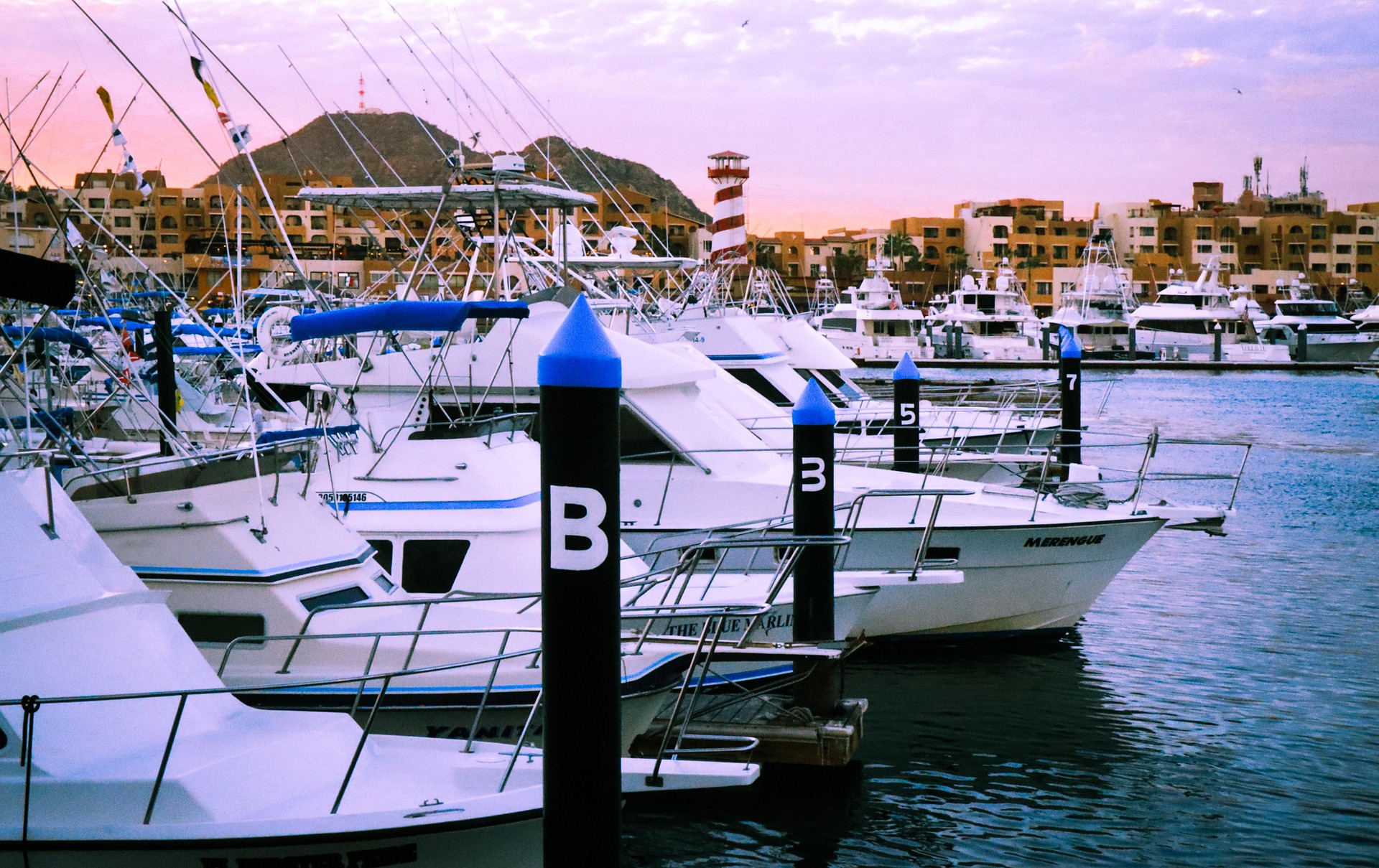 World Cup put Cape Verde on the map, and the world is asking: what else is there?
A Culture of Resilience and Rhythm
Cape Verde’s story is one of resilience. The islands were uninhabited until the Portuguese arrived in 1456, bringing African slaves to work the land . Today, that fusion of cultures is everywhere — in the music of Cesária Évora (the “barefoot diva” who put morna on the global stage), in the Creole language Kriolu, in the slow-cooked stew cachupa, and in the laid-back “no stress” attitude that defines island life.
350 Days of Sunshine; Cape Verde Travel
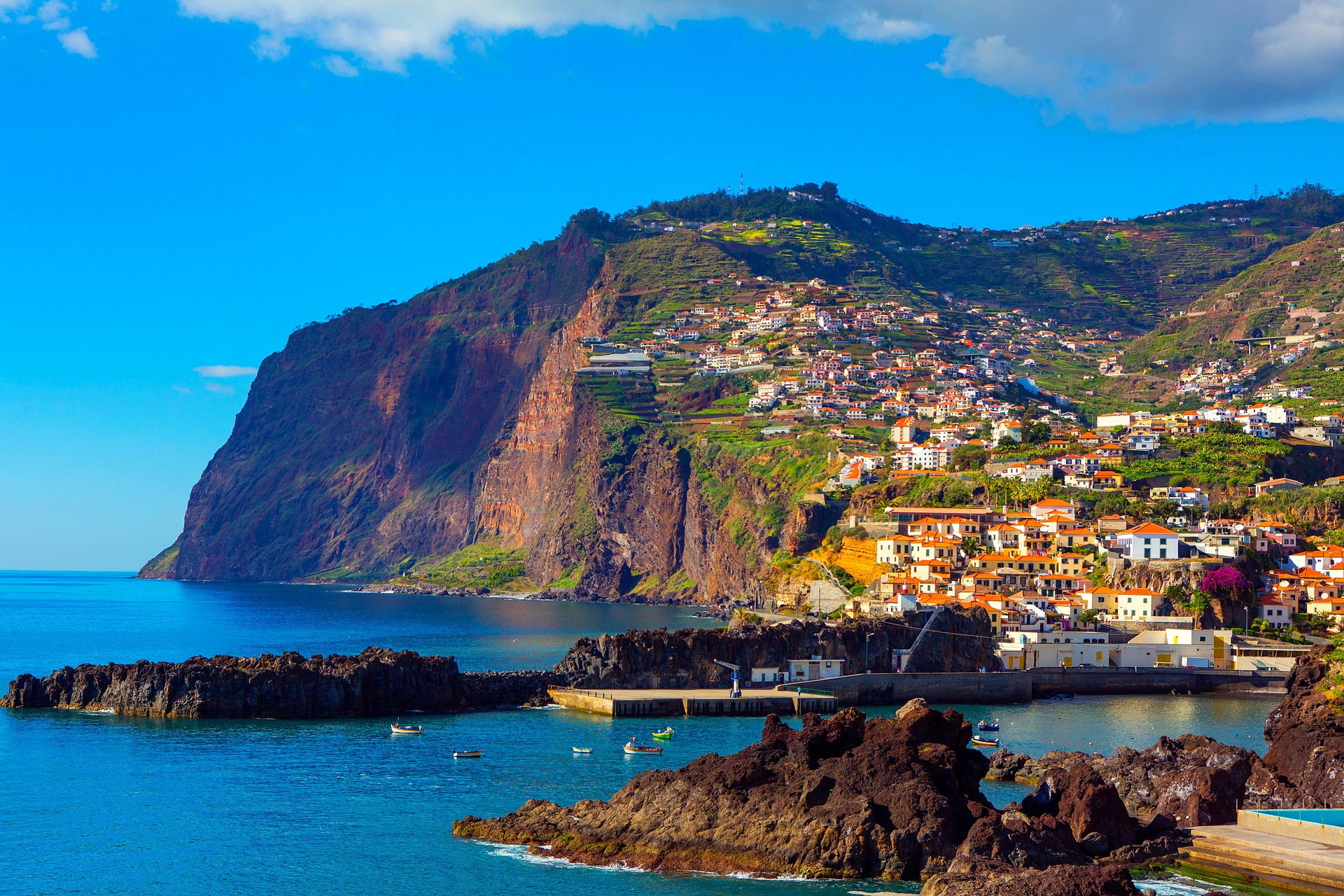
With year-round temperatures averaging 24-30°C, Cape Verde is a sun-seeker’s paradise. The dry season runs from November to June, making it an ideal winter escape. Even the rainy season (August-October) brings only brief showers
Unspoiled Natural Beauty
From the salt pools of Sal’s Pedra de Lume to the lunar landscapes of Fogo’s active volcano, from the turtle-nesting beaches of Boa Vista to the mountainous trails of Santo Antão, Cape Verde offers remarkable diversity in a compact area. It’s been described as a “mini Galapagos” by some travelers.
Which Islands to Visit: A Guide to Cape Verde’s Gems
The most common mistake travelers make is treating Cape Verde as a single destination and landing on the wrong island. Each island is unique, here’s how to choose .
For Beach Lovers: Sal & Boa Vista
Sal is the most tourist-friendly island, with 8 kilometers of white-sand beaches and the lively town of Santa Maria . Visit Pedra de Lume, a salt lake inside an extinct volcano where you can float effortlessly. Dive or snorkel at Buracona, an underwater cave that glows at certain midday hours. Sal is perfect for those seeking a relaxed beach holiday with infrastructure.
Boa Vista offers a more untouched experience with enormous sand dunes and beaches like Praia Santa Monica — one of the most spectacular beaches in the world. In season (July-October), you can join regulated tours to watch loggerhead turtles nest
For Hikers & Nature Lovers: Santo Antão & Fogo
Santo Antão is considered the most dramatic island, with towering peaks and the lush Paul Valley, a green agricultural region filled with sugar cane, mango, and banana terraces. The hiking trails here were carved into rock over centuries and offer breathtaking views. Accessible only by ferry, it’s for travelers seeking real adventure.
Fogo is dominated by Pico do Fogo, an active volcano that rises 2,829 meters ,the country’s highest peak. Guided tours take you around the crater, through volcanic ash slopes, and into the crater where coffee and wine are produced in villages that seem to exist on another planet.
For Culture & Music: São Vicente & Santiago
São Vicente is Cape Verde’s cultural heart, with the city of Mindelo serving as the birthplace of Cesária Évora and the home of vibrant carnival celebrations in February. Street music, colonial architecture, and Afro-Portuguese-Brazilian fusion define the island.
Santiago is the largest island and home to the capital, Praia. It also holds the UNESCO-listed Cidade Velha, the first European colonial settlement in the tropics and a sobering reminder of the slave trade that shaped the Atlantic world
For Peace & Quiet: Maio & Brava
Maio is a peaceful, laid-back island best explored by bicycle, with pristine beaches and turtle nesting sites Brava is the quietest inhabited island, a place to truly disconnect.
Best Time to Visit Cape Verde in 2026
Cape Verde enjoys year-round appeal, but timing matters depending on your interests.
Dry Season (November–June): The Sweet Spot
This is the best time for most travelers. Temperatures are pleasant (24-30°C), skies are clear, and rainfall is minimal. This period also aligns with the European winter, making Cape Verde a popular escape.
Green Season (July–October): Quiet & Affordable
Some rain is possible, but showers are typically short. This is also the best time to see nesting sea turtles on Boa Vista and Sal. Prices are lower, and crowds are thinner. The cape verde travel guide mentions that 350 days of sunshine are common, even in the wetter months.
World Cup Momentum (July 2026 Onward)

Interest in Cape Verde surged after the July 2026 World Cup match, with search demand for flights and holidays increasing dramatically. The Cape Verde travel guide covers how this little-known nation became a hot topic
How to Get to Cape Verde
By Air: Most international visitors fly into Amílcar Cabral International Airport on Sal (SID) or Nelson Mandela International Airport on Santiago (RAI). From Europe, direct flights operate from Lisbon (TAP), Portugal, and several other destinations. TAP is launching new flights from Porto starting October 27, 2026, and from Lisbon to Praia starting December 2026
From the US/Canada: Connecting flights via Europe (especially Portugal) or through West African hubs.
By Sea: Ferries connect the islands, but schedules can be irregular. Most visitors take domestic flights or chartered ferries to island-hop .

Where to Stay in Cape Verde
Accommodation ranges from all-inclusive resorts to small eco-lodges and homestays.
- Sal & Boa Vista: All-inclusive resorts dominate, but smaller guesthouses are growing.
- Mindelo (São Vicente): Boutique hotels and guesthouses with cultural charm.
- Santo Antão & Fogo: Eco-lodges and family-run guesthouses for hikers and adventurers.
- Santiago: Hotels in Praia and guesthouses in Cidade Velha.
Practical Tips for Your Cape Verde Adventure
- Visa: Most nationalities (EU, US, Canada, Australia) do not need a visa for stays up to 30 days. However, all travelers must register with the EASE system before arrival
- Health: Cape Verde is malaria-free, but tap water is not recommended. Drink bottled water and avoid ice.
- Currency: The Cape Verdean escudo (CVE) is pegged to the euro. Many tourist areas accept euros, but carry local cash for remote islands
- Language: Portuguese is the official language; Kriolu is the local Creole. English and French are spoken in tourist areas .
- Safety: Cape Verde is considered one of Africa’s safest destinations, but exercise standard caution in urban areas at night

Why Cape Verde Matters in 2026
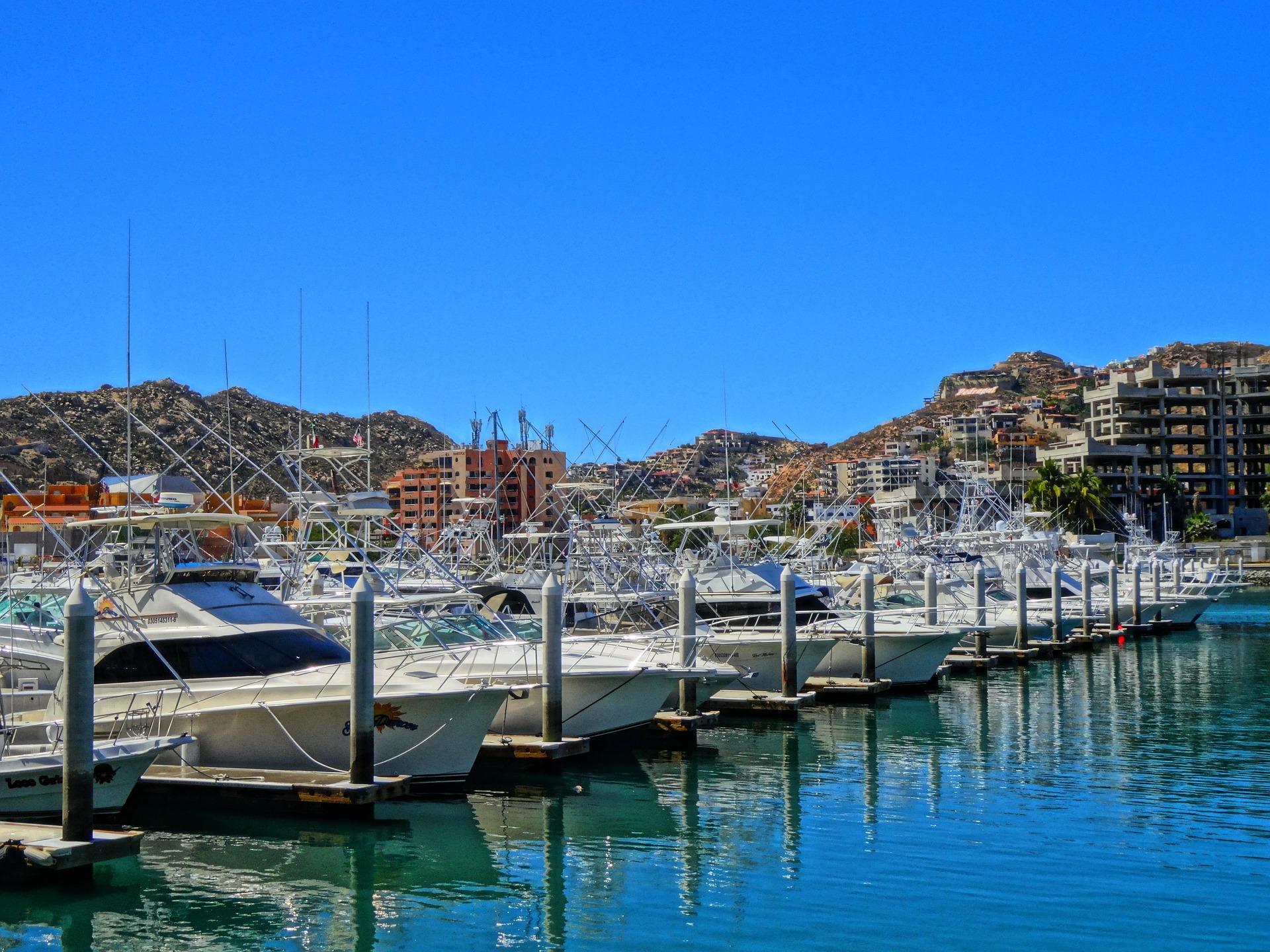
There’s a reason the hashtag “Cape Verde lost the match but won the world” trended after their World Cup performance [citation:2]. This tiny nation — with a population of just over 580,000 — showed the world something powerful. Resilience. Passion. The belief that anything is possible.
For travelers, Cape Verde offers something equally powerful: a place where you can watch the sunset over the Atlantic, hike through volcanic craters, dance to morna in Mindelo, and feel the rhythm of a culture that has endured and thrived.
The World Cup put Cape Verde on the map. Now it’s time for the world to discover its magic.
Final Thoughts: The Atlantic Paradise Awaits
Cape Verde is having its moment. Whether you come for the beaches of Sal, the hikes of Santo Antão, the culture of São Vicente, or simply to see what all the World Cup excitement was about, you’ll find an archipelago that feels far-flung yet accessible, diverse yet intimate.
Make 2026 the year you discover Cape Verde. The “Blue Sharks” showed us their fighting spirit — now let their islands show you their beauty.
Planning Resources for Your African Journey
- Namibia Self-Drive Safari Guide (2026) – The ultimate road trip.
- Sossusvlei & Deadvlei Guide (2026) – Namibia’s iconic desert dunes.
- Central Kalahari Game Reserve Guide (2026) – Botswana’s untamed heart.
- Okavango Delta Travel Guide (2026) – Watery wilderness of Botswana.
Have questions about planning your Cape Verde adventure? Drop them below — and if you’ve already been inspired by the Blue Sharks, share your story with us.